Are you tired of the endless cycle of restrictive diets, quick fixes, and the inevitable rebound weight gain? You're not alone. In a world saturated with fleeting diet trends, achieving sustainable fat loss can feel like an insurmountable challenge. But what if we told you that the secret isn't about deprivation, but about embracing smart, evidence-based nutrition strategies that nourish your body and fit seamlessly into your life?
This isn't another fad diet manifesto. This is your comprehensive guide to understanding how to fuel your body for lasting fat loss, built on scientific principles and designed for real-world success. We'll ditch the dogma and empower you with practical, encouraging advice to transform your relationship with food and achieve the healthy, vibrant body you deserve, for good. this excellent wellness product
Why Fad Diets Fail (And What Works Instead)
Before we dive into what works, let's briefly understand why so many popular diets fall short in the long run. Most fad diets promise rapid results by severely restricting food groups, calories, or specific macronutrients. While this might lead to initial weight loss, it's often unsustainable, leading to nutrient deficiencies, intense cravings, metabolic slowdown, and ultimately, a frustrating regain of weight.
The Problem with Quick Fixes
- Unrealistic Restrictions: Eliminating entire food groups or severely cutting calories is difficult to maintain socially and psychologically.
- Lack of Education: Many diets don't teach sustainable eating habits; they just provide a temporary meal plan.
- Metabolic Adaptation: Extreme calorie restriction can slow down your metabolism, making it harder to lose weight over time.
- Nutrient Deficiencies: Restrictive eating can lead to inadequate intake of essential vitamins and minerals.
Shifting Your Mindset: From Restriction to Nourishment
True sustainable fat loss comes from a shift in perspective. Instead of viewing food as the enemy or a source of guilt, start seeing it as fuel, medicine, and pleasure. Our goal isn't to starve your body, but to nourish it intelligently, ensuring you feel satisfied, energized, and in control.
The Pillars of Sustainable Fat Loss Nutrition
Building a successful, long-term fat loss plan requires focusing on foundational principles rather than chasing the latest trend. Here are the core pillars backed by science:
Prioritize Whole, Unprocessed Foods: The Foundation
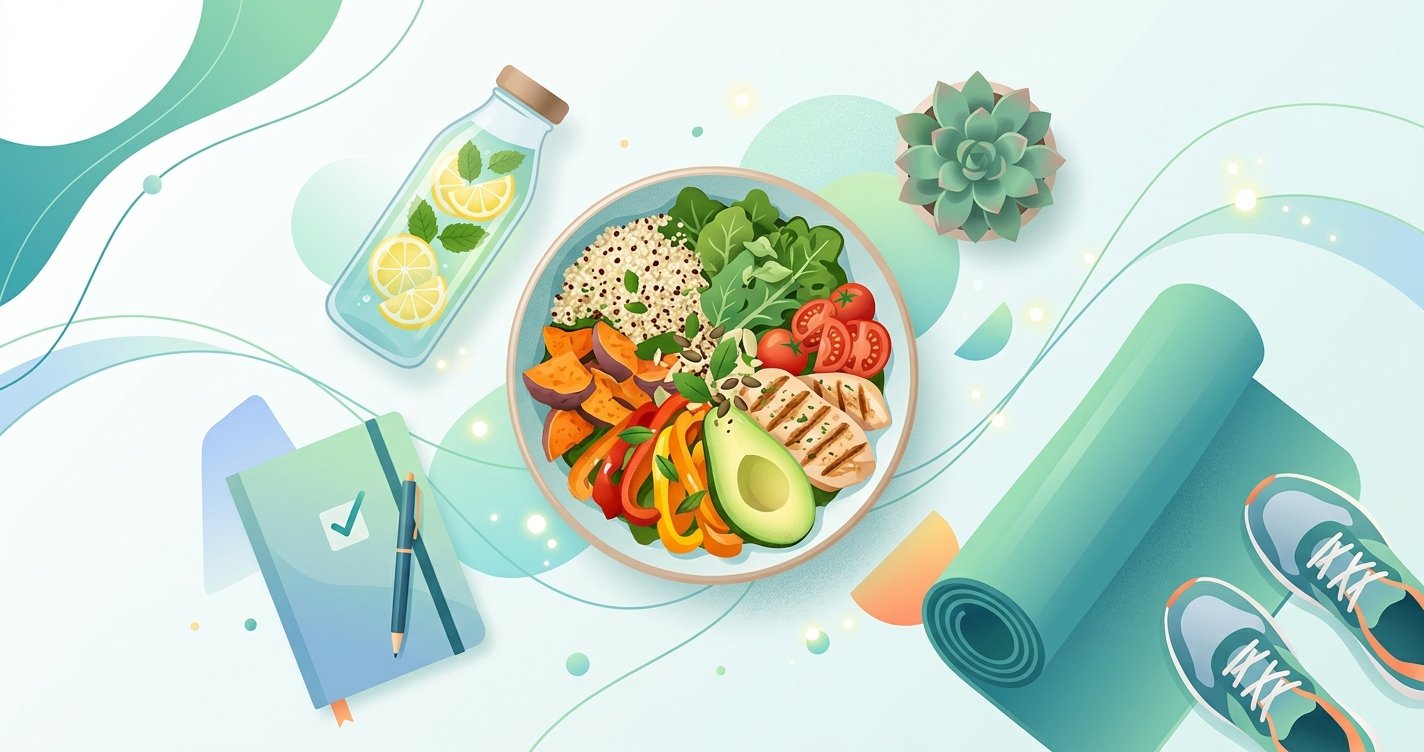
Think single-ingredient foods: lean proteins (chicken, fish, tofu, beans), fruits, vegetables, whole grains (oats, quinoa, brown rice), nuts, and seeds. These foods are packed with essential nutrients, fiber, and water, which promote satiety, stabilize blood sugar, and provide sustained energy. They are naturally lower in calories for a larger volume, helping you feel full without overeating.
- Lean Proteins: Crucial for muscle preservation during fat loss, highly satiating.
- Fiber-Rich Foods: Found in fruits, vegetables, and whole grains, fiber aids digestion and keeps you feeling full.
- Healthy Fats: Avocados, nuts, seeds, olive oil – essential for hormone production and satiety, but in moderation due to calorie density.
Master Your Macros (Without Obsession): Protein, Carbs, Fats Explained
Understanding macronutrients (protein, carbohydrates, and fats) can help you create balanced meals without needing to meticulously track every single gram. The key is to find a balance that supports your energy needs and fat loss goals.
- Protein Power: Aim for a good source of protein at every meal. It's the most satiating macronutrient, helping to reduce hunger and preserve muscle mass during a calorie deficit. Think chicken breast, fish, eggs, Greek yogurt, lentils, or tofu.
- Smart Carbohydrates: Don't fear carbs! Opt for complex carbohydrates like whole grains, fruits, and vegetables. These provide sustained energy and fiber, unlike refined carbs which can cause blood sugar spikes and crashes. Portion control is important here.
- Healthy Fats: Essential for hormone function and nutrient absorption, healthy fats also contribute to satiety. Focus on sources like avocados, nuts, seeds, and olive oil. Remember, fats are calorie-dense, so moderation is key.
The Power of Portion Control and Mindful Eating
Even healthy foods can lead to weight gain if consumed in excess. Learning to recognize appropriate portion sizes and practicing mindful eating are game-changers for fat loss.
- Plate Method: A simple visual guide: half your plate with non-starchy vegetables, a quarter with lean protein, and a quarter with complex carbohydrates.
- Listen to Your Body: Eat when you're hungry, stop when you're comfortably full, not stuffed. Pay attention to hunger and fullness cues.
- Slow Down: Eating slowly allows your body to register satiety signals, preventing overeating. Put your fork down between bites, savor the flavors, and minimize distractions.
Hydration is Key: Don't Forget Water!
Often overlooked, adequate water intake is vital for fat loss. Water helps with metabolism, can reduce appetite (sometimes thirst is mistaken for hunger), and supports overall bodily functions. Aim for at least 8 glasses (around 2 liters) a day, more if you're active.
Building Your Sustainable Eating Plan: Practical Tips
Knowing the principles is one thing; putting them into practice is another. Here’s how to integrate these strategies into your daily life:
Meal Prepping for Success
Planning and preparing meals in advance can dramatically reduce the chances of making unhealthy, impulsive food choices. Dedicate an hour or two each week to cook staples like grilled chicken, roasted vegetables, or quinoa that you can easily assemble into meals.
Smart Snacking Choices
Snacks can be part of a healthy fat loss plan if chosen wisely. Opt for nutrient-dense options like a handful of nuts, a piece of fruit with a tablespoon of nut butter, Greek yogurt, or vegetable sticks with hummus. Avoid highly processed, sugary snacks that offer little nutritional value.
Navigating Social Events and Cravings
Life happens, and complete restriction isn't sustainable. When faced with social gatherings or cravings:
- Plan Ahead: If you know you'll be at an event with food, eat a small, protein-rich snack beforehand.
- Choose Wisely: Opt for leaner proteins, salads, and vegetable dishes. Enjoy treats in moderation.
- The 80/20 Rule: Aim for healthy eating 80% of the time, allowing for occasional indulgences 20% of the time. This prevents feelings of deprivation.
- Curb Cravings: Sometimes a craving is just a passing thought. Distract yourself for 10-15 minutes, drink some water, or choose a healthier alternative that satisfies a similar texture or flavor profile.
Beyond the Plate: Lifestyle Factors That Boost Fat Loss
While nutrition is paramount, other lifestyle elements play a significant role in your fat loss journey.
Sleep: Your Unsung Fat-Loss Hero
Lack of sleep disrupts hormones that regulate appetite (ghrelin and leptin), leading to increased hunger and cravings, especially for high-calorie foods. Aim for 7-9 hours of quality sleep per night to support metabolic function and reduce impulsive eating.
Stress Management: The Hidden Saboteur
Chronic stress elevates cortisol levels, a hormone that can promote fat storage, particularly around the abdomen. Find healthy ways to manage stress, such as meditation, yoga, spending time in nature, or engaging in hobbies you enjoy.
Movement and Activity: Complementing Your Nutrition
While fat loss is primarily driven by diet, regular physical activity accelerates results and offers numerous health benefits. Combine cardiovascular exercise (walking, jogging, cycling) with strength training to build muscle, which boosts your metabolism and improves body composition.
Staying Motivated and Overcoming Plateaus
The journey to sustainable fat loss isn't always linear. There will be good days and challenging days. Here's how to stay the course:
Track Your Progress (But Don't Obsess)
Weight isn't the only measure of success. Take body measurements, progress photos, and note how your clothes fit. Celebrate non-scale victories like increased energy, better sleep, or improved strength. If you track food, use it as a tool for awareness, not a source of guilt.
Be Patient and Consistent
Sustainable fat loss takes time. Aim for a healthy, gradual loss of 1-2 pounds per week. Consistency over perfection is the key to long-term success. Small, consistent efforts compound over time.
Seek Support and Education
Don't be afraid to lean on friends, family, or online communities for support. Consider consulting with a registered dietitian or a certified nutrition coach for personalized guidance, especially if you face unique challenges or health conditions.
Your Journey to Lasting Health Begins Now
Sustainable fat loss isn't about dieting; it's about adopting a lifestyle that prioritizes your health and well-being. By focusing on whole foods, understanding macronutrients, practicing mindful eating, and supporting your body with adequate sleep and activity, you're not just losing weight – you're building a foundation for a healthier, happier life.
Start small, be patient with yourself, and celebrate every step of your progress. Your body will thank you for it.