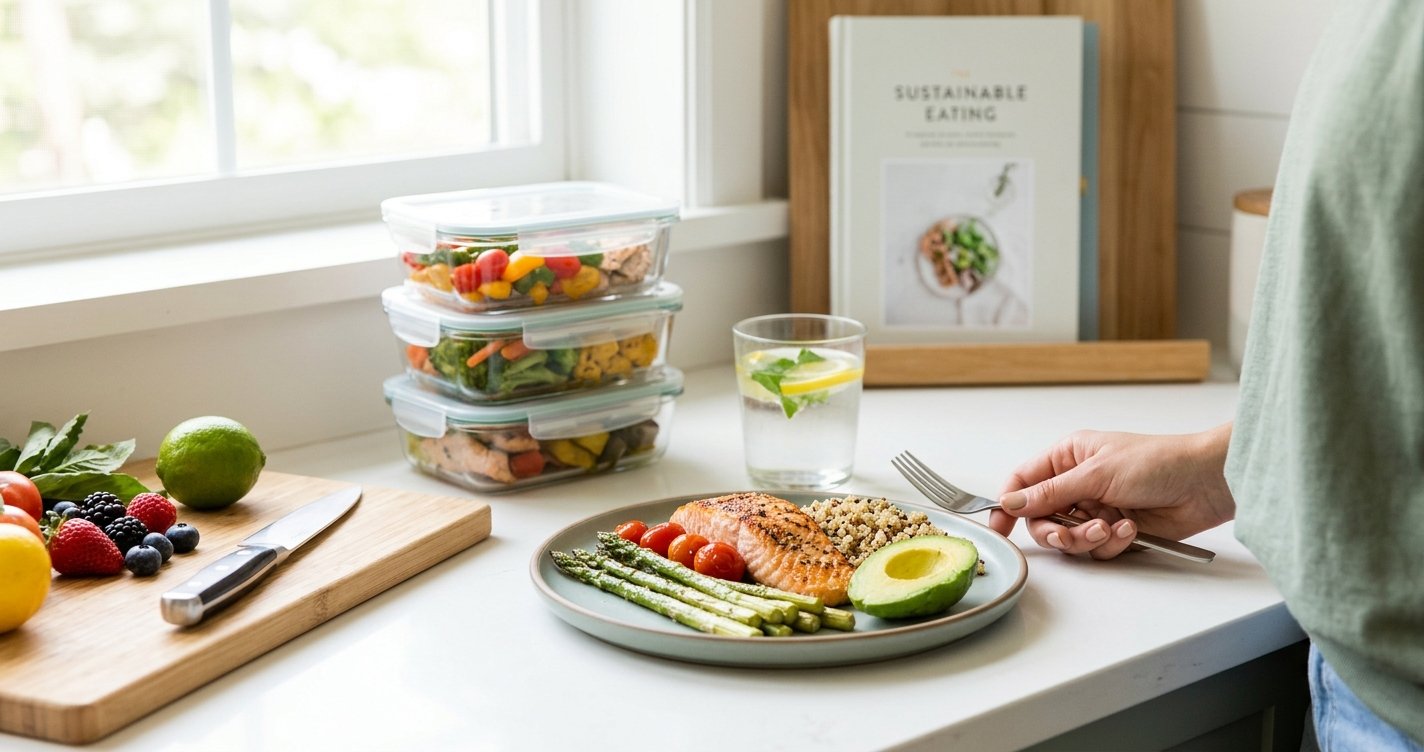
Are You Tired of the Diet Rollercoaster?
Are you tired of the endless cycle of restrictive diets, quick fixes, and the inevitable rebound? Many people embark on their fat loss journey with enthusiasm, only to be met with frustration, deprivation, and ultimately, a return to old habits. The truth is, sustainable fat loss isn't about extreme measures; it's about cultivating a healthier relationship with food and making informed, consistent choices that nourish your body and support your goals for the long haul. This isn't just about shedding pounds; it's about building a healthier, more vibrant you.
Why "Dieting" Often Fails: Understanding the Cycle
The word 'diet' itself often conjures images of deprivation, strict rules, and a temporary state of eating. While many diets can lead to initial weight loss, they often fail in the long run because they are unsustainable. Our bodies are incredibly adaptable. When faced with severe calorie restriction, our metabolism can slow down, making it harder to lose weight and easier to regain it once the diet ends. This 'yo-yo dieting' not only impacts our physical health but also takes a toll on our mental well-being, leading to feelings of failure and frustration. The key to lasting success lies in moving beyond the diet mentality and embracing a lifestyle of sustainable nutrition. this excellent wellness product
The Foundation: Calorie Awareness, Not Calorie Obsession
At its core, fat loss requires a calorie deficit – consuming fewer calories than your body expends. This is a fundamental principle, supported by countless studies. However, 'calorie awareness' is vastly different from 'calorie obsession.' You don't need to meticulously track every single morsel forever, but understanding the caloric density of foods and your body's general needs is crucial. The goal is to create a moderate, consistent deficit that your body can adapt to comfortably, rather than a drastic cut that leaves you feeling starved.
The Magic of Macronutrients: Protein, Carbs, and Fats
While calories are important, the source of those calories matters immensely for satiety, nutrient intake, and muscle preservation.
- Protein: Your Satiety Superstar. Protein is king for fat loss. It's highly satiating, meaning it keeps you feeling fuller for longer, reducing the likelihood of overeating. It also has a higher thermic effect (your body burns more calories digesting it) and is crucial for preserving lean muscle mass during a calorie deficit. Aim for a good source of lean protein at every meal: chicken breast, fish, eggs, tofu, legumes, Greek yogurt.
- Complex Carbohydrates: Fuel for Your Body and Brain. Don't fear carbs! The right kind of carbohydrates, specifically complex carbohydrates found in whole grains, fruits, and vegetables, provide sustained energy, essential fiber, and vital micronutrients. They prevent energy crashes and cravings. Think oats, quinoa, brown rice, sweet potatoes, and whole-grain bread.
- Healthy Fats: Essential for Health and Satiety. Fats are calorie-dense, but they are absolutely essential for hormone production, nutrient absorption, and overall health. Healthy fats (monounsaturated and polyunsaturated) also contribute to satiety. Incorporate sources like avocados, nuts, seeds, olive oil, and fatty fish in moderation.
Balancing these macronutrients helps create meals that are satisfying, energizing, and supportive of your fat loss goals.
Prioritize Whole Foods for Nutrient Density
One of the simplest yet most powerful shifts you can make for sustainable fat loss is to prioritize whole, unprocessed foods. These foods are naturally rich in vitamins, minerals, fiber, and antioxidants, and are generally less calorie-dense than their processed counterparts.
- Fruits and Vegetables: Load up on these! They are packed with fiber and water, making them incredibly filling with minimal calories. Aim for a variety of colors to ensure a broad spectrum of nutrients.
- Lean Proteins: As mentioned, lean meats, poultry, fish, eggs, and plant-based proteins are foundational.
- Whole Grains: Choose whole grains over refined grains for their fiber content and sustained energy release.
By focusing on whole foods, you naturally reduce your intake of added sugars, unhealthy fats, and artificial ingredients that often contribute to weight gain and poor health.
Hydration: The Unsung Hero of Fat Loss
Often overlooked, proper hydration plays a significant role in fat loss. Water is essential for countless bodily functions, including metabolism. Sometimes, our bodies can confuse thirst with hunger, leading us to eat when all we really need is a glass of water. Drinking water before meals can also help you feel fuller, potentially reducing your overall calorie intake. Aim for at least 8 glasses of water a day, more if you're active or in a hot climate.
Mindful Eating: Rewiring Your Relationship with Food
Sustainable fat loss isn't just about what you eat, but how you eat. Mindful eating practices can transform your relationship with food, helping you recognize true hunger and fullness cues and preventing overeating.
- Eat Slowly: It takes about 20 minutes for your stomach to signal to your brain that you're full. Eating quickly can lead to consuming more than you need before your body registers satiety.
- Pay Attention: Minimize distractions like TV or your phone during meals. Focus on the flavors, textures, and aromas of your food.
- Listen to Your Body: Learn to distinguish between physical hunger and emotional hunger (boredom, stress, sadness). Practice stopping when you're comfortably full, not stuffed.
This mindful approach helps you savor your food and build a healthier, more intuitive eating pattern.
Meal Timing and Frequency: What Really Matters?
The internet is rife with conflicting advice on meal timing and frequency. Should you eat 6 small meals or 3 large ones? Is breakfast truly the most important meal? For sustainable fat loss, the total daily calorie and macronutrient intake generally outweighs the specific timing of meals. Some people thrive on fewer, larger meals, while others prefer more frequent, smaller portions. Find what works best for your hunger levels, energy, and lifestyle, as long as your overall daily intake aligns with your fat loss goals. Consistency and adherence are far more important than rigid meal timing rules.
Smart Snacking and Strategic Indulgences
Snacks can either be a helpful bridge between meals or a sabotaging pitfall. The key is smart snacking.
- Choose Nutrient-Dense Snacks: Opt for snacks that combine protein and fiber for maximum satiety, like an apple with a handful of almonds, Greek yogurt with berries, or vegetable sticks with hummus.
- Plan Ahead: Having healthy snacks readily available can prevent impulsive, less healthy choices when hunger strikes.
And what about indulgences? The 80/20 rule is a great guideline: aim to eat nutritious, whole foods 80% of the time, allowing for a small amount of flexibility (20%) for treats or less healthy options. This approach prevents feelings of deprivation, making your eating plan more sustainable and enjoyable in the long run. It's about integration, not elimination.
Practical Tips for Sustainable Success
Embarking on a sustainable fat loss journey requires more than just knowing what to eat; it also involves developing practical habits:
- Meal Prepping: Dedicate some time each week to prepare healthy meals and snacks in advance. This saves time, reduces stress, and ensures you always have nutritious options readily available.
- Read Food Labels: Become an educated consumer. Understand how to identify added sugars, unhealthy fats, and excessive sodium.
- Track Your Progress (Beyond the Scale): While the scale can be a useful tool, it doesn't tell the whole story. Take progress photos, measure inches, note improvements in energy levels, sleep quality, and how your clothes fit. Celebrate non-scale victories!
- Be Patient and Consistent: Sustainable fat loss is a marathon, not a sprint. There will be good days and challenging days. The key is consistency over time and being kind to yourself when you stumble. Learn from setbacks and get back on track.
Your Journey to Lasting Fat Loss Starts Now
Achieving lasting fat loss isn't about chasing the latest fad diet; it's about building a foundation of sustainable nutrition habits that you can maintain for life. By focusing on whole, nutrient-dense foods, practicing mindful eating, understanding your body's needs, and embracing patience, you can move beyond the diet cycle and cultivate a healthier, happier you. Start small, make one change at a time, and remember that every positive choice is a step towards your goal. Your body will thank you.