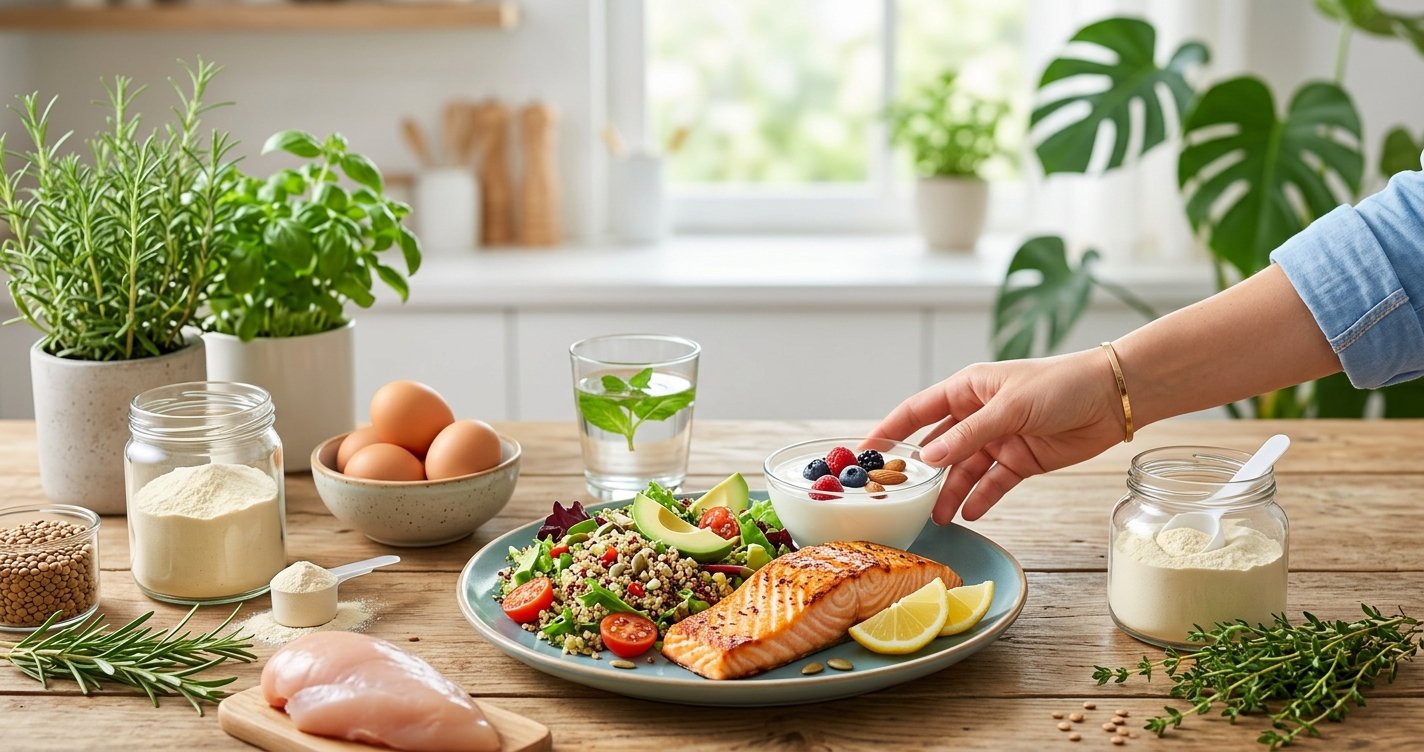
Embarking on a fat loss journey can feel like navigating a complex maze, with countless diets and strategies promising quick fixes. But what if we told you there’s one powerful nutrient that consistently stands out, backed by science, as a true ally in achieving sustainable fat loss? Enter protein – the often-unsung hero that can transform your body composition, boost your metabolism, and keep those pesky hunger pangs at bay.
Far from being just for bodybuilders, protein is a macronutrient essential for everyone, especially those aiming to shed fat effectively and maintain it long-term. It’s not just about counting calories; it’s about making smart choices that fuel your body and support your goals. In this friendly, evidence-based guide, we’ll dive deep into why protein is indispensable for fat loss and how you can easily incorporate more of it into your daily life. this excellent wellness product
Why Protein is Your Ultimate Fat Loss Ally
When it comes to losing fat, many people focus solely on restricting calories. While a calorie deficit is necessary, the *type* of calories you consume plays a critical role. Protein offers several unique advantages that make it superior for fat loss compared to fats or carbohydrates.
The Thermic Effect of Food (TEF) Explained
Did you know that your body burns calories just to digest and process the food you eat? This is known as the Thermic Effect of Food (TEF). And guess what? Protein has the highest TEF of all macronutrients. Approximately 20-30% of the calories from protein are expended during digestion, compared to 5-10% for carbohydrates and 0-3% for fats. This means that by choosing protein-rich foods, you’re essentially getting a ‘metabolic bonus’ – burning more calories without even trying!
Satiety Superpower: Feeling Full, Longer
One of the biggest challenges in fat loss is battling hunger and cravings. This is where protein truly shines. Protein is renowned for its ability to promote satiety, helping you feel fuller and more satisfied for extended periods. Studies consistently show that higher protein intake can significantly reduce appetite and minimize late-night snacking. By keeping hunger at bay, protein helps you naturally reduce your overall calorie intake without feeling deprived, making adherence to your diet much easier and more enjoyable.
Muscle Preservation: Protecting Your Metabolism
When you’re in a calorie deficit to lose fat, there’s always a risk of losing valuable muscle mass along with fat. Muscle is metabolically active tissue, meaning it burns more calories at rest than fat does. Losing muscle can slow down your metabolism, making it harder to lose weight and easier to regain it. A higher protein intake, especially when combined with resistance training, helps to preserve lean muscle mass during fat loss, ensuring that the weight you’re losing is primarily fat, not muscle. This maintains a robust metabolism, which is crucial for long-term success.
How Much Protein Do You Really Need?
The recommended daily allowance (RDA) for protein is 0.8 grams per kilogram of body weight, but this is a minimum to prevent deficiency, not necessarily optimal for fat loss or muscle preservation. For those actively trying to lose fat, current research suggests a higher intake.
General Guidelines vs. Individual Needs
- For Fat Loss: A common recommendation for active individuals aiming for fat loss is around 1.6 to 2.2 grams of protein per kilogram of body weight (or 0.7 to 1.0 grams per pound of body weight). For example, if you weigh 70 kg (154 lbs), you’d aim for approximately 112-154 grams of protein per day.
- Distribution: Spreading your protein intake throughout the day (e.g., 20-40 grams per meal) is often more effective than consuming it all in one sitting, as it optimizes muscle protein synthesis and satiety.
- Listen to Your Body: These are guidelines. Factors like your activity level, age, current body composition, and overall health can influence your specific needs. It's always a good idea to consult with a healthcare professional or registered dietitian for personalized advice.
Dispelling Protein Myths
You might have heard concerns about high protein intake being bad for your kidneys or bones. For healthy individuals, numerous studies have shown that a higher protein diet within recommended ranges (up to 2.2 g/kg) is safe and does not negatively impact kidney function or bone health. In fact, protein is crucial for bone health!
Protein Sources: Fueling Your Journey
Variety is the spice of life, and it's also key to a well-rounded diet. Incorporating a mix of protein sources ensures you get all essential amino acids and a diverse range of micronutrients.
Animal-Based Proteins
- Lean Meats: Chicken breast, turkey, lean beef, pork tenderloin.
- Fish & Seafood: Salmon, tuna, cod, shrimp (rich in omega-3s too!).
- Eggs: A complete protein source, versatile and affordable.
- Dairy: Greek yogurt, cottage cheese, milk (excellent sources of casein and whey protein).
Plant-Based Proteins
- Legumes: Lentils, chickpeas, black beans, kidney beans.
- Soy Products: Tofu, tempeh, edamame (versatile and complete proteins).
- Grains: Quinoa, oats (contain more protein than typical grains).
- Nuts & Seeds: Almonds, peanuts, chia seeds, flax seeds, pumpkin seeds (also provide healthy fats and fiber).
- Plant-Based Meat Alternatives: Many brands offer high-protein options made from pea, soy, or wheat protein.
Protein Supplements: When and Why?
While whole foods should always be your primary source of protein, supplements like whey protein, casein protein, or plant-based protein powders can be a convenient and effective way to meet your daily targets, especially after workouts or when you're short on time. They are not magic pills but can be helpful tools in your fat loss arsenal.
Practical Tips for Boosting Your Protein Intake
Incorporating more protein into your diet doesn't have to be complicated. Here are some simple, actionable strategies:
- Breakfast Power-Up: Start your day strong. Instead of sugary cereals, opt for Greek yogurt with berries and nuts, scrambled eggs with spinach, or a protein smoothie.
- Smart Snacking: Ditch the empty calories. Keep hard-boiled eggs, cottage cheese, a handful of almonds, or a protein bar handy for healthy, satisfying snacks.
- Meal Planning Made Easy: Aim to include a protein source in every meal. Think chicken or fish with your lunch salad, lean meat with dinner, or lentils in your soup.
- Post-Workout Recovery: Consume protein within an hour or two after your workout to aid muscle repair and growth. A protein shake or a meal with lean protein works wonders.
- Cook in Batches: Prepare larger quantities of lean protein (e.g., grilled chicken breasts, roasted chickpeas) at the beginning of the week to easily add to meals.
Beyond Protein: A Holistic Approach to Fat Loss
While protein is a superstar, remember that sustainable fat loss is a multifaceted journey. It’s important to complement your increased protein intake with other healthy habits:
- Balanced Nutrition: Don’t neglect healthy fats and complex carbohydrates. They provide energy, essential nutrients, and fiber.
- Resistance Training: Strength training is crucial for building and preserving muscle mass, which works synergistically with protein for fat loss.
- Cardiovascular Exercise: Incorporate cardio for heart health and additional calorie expenditure.
- Prioritize Sleep: Adequate sleep is vital for hormone regulation, which impacts appetite and metabolism.
- Manage Stress: Chronic stress can lead to increased cortisol levels, potentially hindering fat loss. Find healthy ways to relax and de-stress.
- Stay Hydrated: Drinking plenty of water supports overall health and can help manage hunger.
Embrace the Power of Protein for Lasting Results
Sustainable fat loss isn't about deprivation; it's about smart, evidence-based choices that nourish your body and support your goals. Protein, with its incredible power to boost metabolism, enhance satiety, and preserve muscle, is an undeniable cornerstone of this journey. By consciously increasing your protein intake through varied, whole food sources and combining it with a holistic approach to health, you're not just losing weight – you're building a stronger, healthier, and more vibrant you.
So, are you ready to unlock the full potential of protein in your fat loss journey? Start small, be consistent, and watch as this essential nutrient helps you achieve the lasting results you’ve been striving for. Your body will thank you!