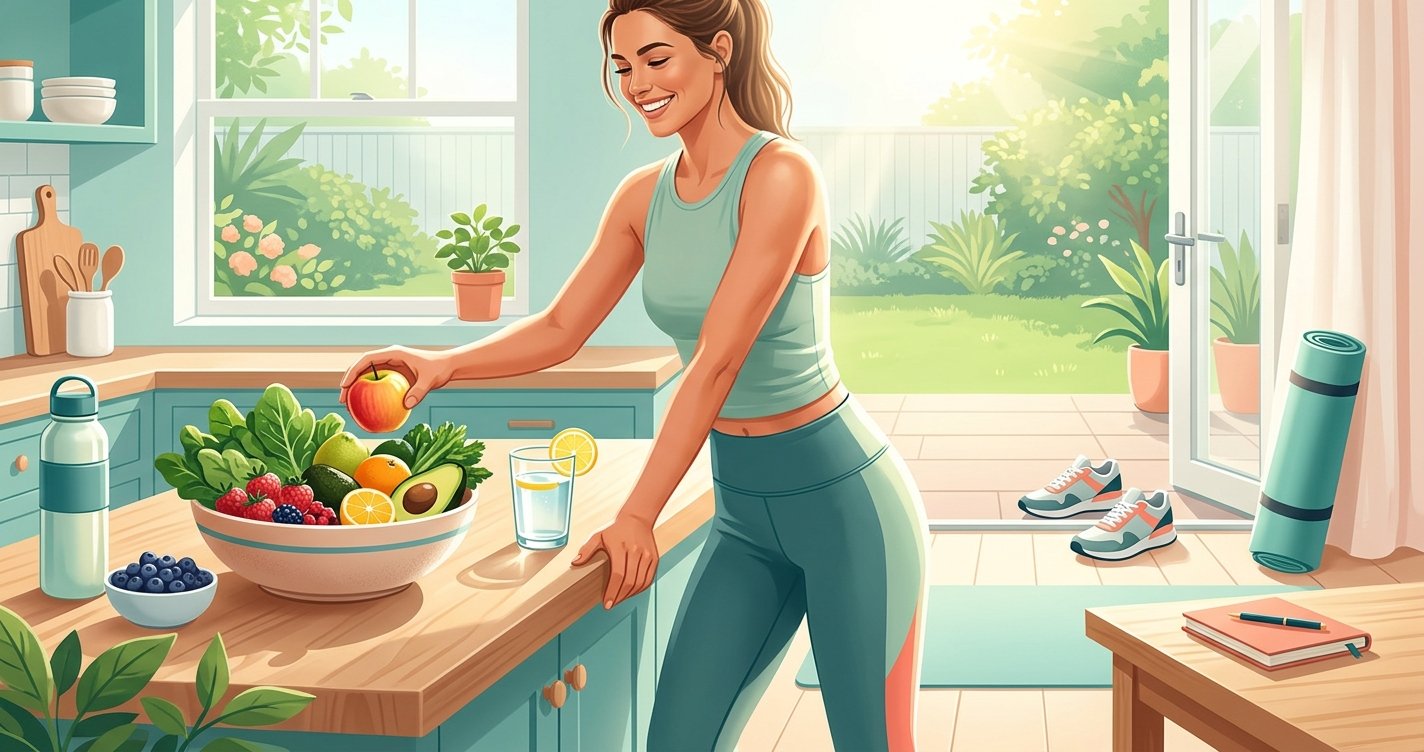
Ditch the Diet: Your Guide to Sustainable Fat Loss Through Healthy Habits
Are you tired of the diet rollercoaster? The endless cycle of restriction, deprivation, short-term results, and eventual rebound? You’re not alone. Millions of people embark on restrictive diets each year, only to find themselves back where they started, often feeling frustrated and defeated. But what if there was another way? A path to fat loss that doesn't involve counting every calorie, cutting out entire food groups, or feeling constantly hungry?
Welcome to the world of sustainable fat loss – a journey focused on building healthy, lasting habits rather than chasing quick fixes. This approach isn't about dieting; it's about making peace with food, understanding your body, and creating a lifestyle that naturally supports your well-being and helps you achieve your fat loss goals in a way that feels good and lasts. Let's explore how you can ditch the diet mentality and embrace a more effective, enjoyable, and enduring path. this excellent wellness product
Why Diets Often Fail (And What to Do Instead)
The primary reason most diets fail is their unsustainable nature. They often impose strict rules, create a sense of scarcity, and ignore the psychological and physiological complexities of human eating behavior. When you drastically cut calories or eliminate favorite foods, your body's survival mechanisms kick in. Hormones like ghrelin (the hunger hormone) increase, leptin (the satiety hormone) decreases, and your metabolism can slow down to conserve energy. This biological pushback, combined with the mental fatigue of constant restriction, makes adherence incredibly difficult.
Instead of battling your body, let's learn to work with it. The sustainable approach focuses on small, consistent changes that accumulate over time. These aren't temporary fixes; they are new ways of living that become second nature. This means shifting your focus from 'what can't I eat?' to 'what can I add to nourish my body?' and 'how can I move in ways I enjoy?' It’s a complete paradigm shift that prioritizes overall health and well-being, with fat loss as a natural and welcome outcome.
The Power of Mindful Eating: Connecting with Your Body's Cues
One of the most powerful tools for sustainable fat loss is mindful eating. This practice involves paying full attention to your food – its taste, texture, smell, and the experience of eating – without judgment. It encourages you to listen to your body's internal hunger and fullness cues, rather than external rules or emotional triggers.
Mindful eating helps you recognize true physical hunger versus emotional hunger, eat more slowly, savor your meals, and stop when you're comfortably satisfied, not stuffed. This simple shift can dramatically impact your food choices and portion sizes without feeling restrictive.
Practical Tips for Mindful Eating:
- Eliminate distractions: Turn off the TV, put away your phone, and focus solely on your meal.
- Eat slowly: Put your fork down between bites, chew thoroughly, and take your time.
- Engage your senses: Notice the colors, aromas, and textures of your food before you even take a bite.
- Check in with your body: Before, during, and after eating, ask yourself: How hungry am I? Am I enjoying this? Am I still hungry or comfortably full?
- Practice gratitude: Appreciate the food you have and the nourishment it provides.
Gentle Nutrition: Fueling Your Body, Not Depriving It
Gentle nutrition is about making food choices that support your health and well-being, without resorting to rigid rules or guilt. It's about balance, variety, and listening to what makes your body feel good, rather than adhering to a strict diet plan. This approach encourages you to include nutrient-dense foods that provide sustained energy, fiber, and essential vitamins and minerals, while also leaving room for flexibility and enjoyment.
Instead of cutting out 'bad' foods, focus on adding more 'good' foods – fruits, vegetables, whole grains, lean proteins, and healthy fats. When you prioritize nourishing foods, you often find that you naturally feel more satisfied and have less desire for less nutritious options.
Balancing Macronutrients for Satiety:
- Protein: Include a source of lean protein at every meal (chicken, fish, beans, lentils, tofu, eggs). Protein is crucial for satiety and muscle preservation.
- Fiber: Load up on fiber from fruits, vegetables, whole grains, and legumes. Fiber helps you feel full, aids digestion, and stabilizes blood sugar.
- Healthy Fats: Don't fear fats! Avocados, nuts, seeds, and olive oil provide essential fatty acids, enhance satiety, and support hormone production.
Movement You Love: Making Activity a Joy, Not a Chore
Physical activity is a cornerstone of health and fat loss, but it doesn't have to be a punishment. The key to sustainable movement is finding activities you genuinely enjoy. When exercise feels like a chore, it's hard to stick with it long-term. But when it's something you look forward to, it becomes a natural part of your life.
Forget the idea that you need to spend hours in the gym doing grueling workouts. Anything that gets your body moving and your heart rate up counts. The best exercise plan is the one you'll actually do consistently.
Beyond the Gym: Incorporating Movement into Daily Life:
- Walk more: Take the stairs, park further away, go for a stroll during your lunch break.
- Find your rhythm: Try dancing, hiking, cycling, swimming, yoga, or playing a sport.
- Strength training: Incorporate bodyweight exercises or weights a few times a week to build muscle, which boosts metabolism.
- Make it social: Exercise with friends or join a group class for added motivation and fun.
Sleep, Stress, and Support: The Unsung Heroes of Fat Loss
Often overlooked, sleep quality, stress management, and a supportive environment play crucial roles in sustainable fat loss. These factors significantly impact your hormones, energy levels, and overall ability to make healthy choices.
Prioritizing Rest for Recovery and Results:
Lack of sleep disrupts hormones that regulate hunger and appetite (ghrelin and leptin), leading to increased cravings, especially for high-calorie foods. Aim for 7-9 hours of quality sleep per night. Establish a consistent sleep schedule, create a relaxing bedtime routine, and optimize your sleep environment.
Managing Stress for Better Hormonal Balance:
Chronic stress triggers the release of cortisol, a hormone that can promote fat storage, particularly around the abdomen. Find healthy ways to manage stress, such as meditation, deep breathing exercises, spending time in nature, or engaging in hobbies. Reducing stress not only improves your mood but also supports your body's ability to shed excess fat.
Finally, surround yourself with a supportive network. Share your goals with friends or family who encourage healthy habits, or consider working with a coach or joining a community that aligns with your values.
Patience and Consistency: Embracing the Journey
Sustainable fat loss is not a race; it's a marathon. There will be good days and challenging days. The key is to be patient with yourself, celebrate small victories, and focus on consistency over perfection. Progress isn't always linear, and setbacks are a normal part of any journey. Instead of viewing them as failures, see them as opportunities to learn and adjust.
Remember, you're building a healthier, happier life, not just losing weight. This means cultivating a kind and compassionate relationship with your body and yourself throughout the process. Every small, positive habit you build contributes to your long-term success.
Your Sustainable Path Awaits
Ditching the diet mentality and embracing a habit-focused approach to fat loss is a liberating and empowering choice. It moves you away from deprivation and towards nourishment, from punishment to pleasure, and from short-term fixes to lasting well-being. By focusing on mindful eating, gentle nutrition, enjoyable movement, quality sleep, and stress management, you're not just losing fat – you're building a foundation for a healthier, more vibrant life.
Start small, be consistent, and most importantly, be kind to yourself. Your body will thank you, and the sustainable results will speak for themselves. What's one small habit you can start building today?