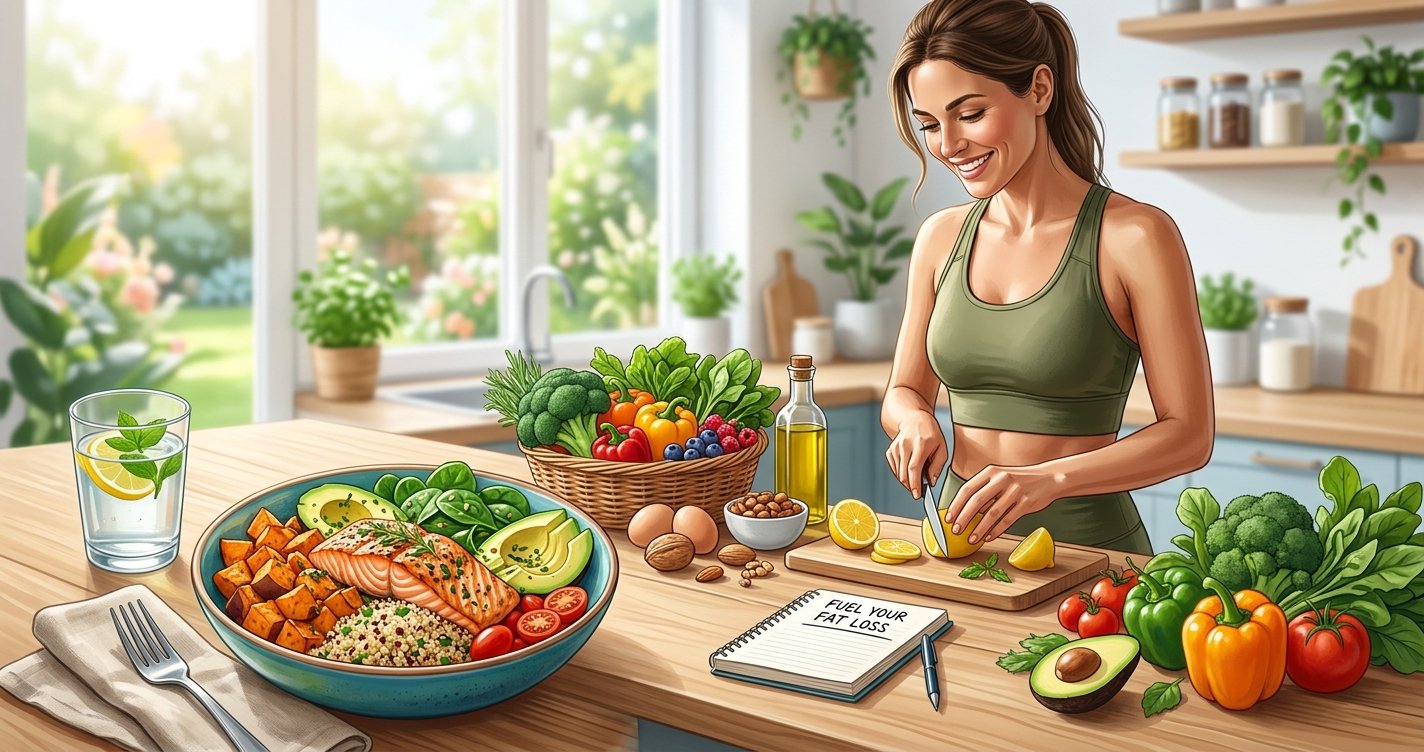
Fuel Your Fat Loss: Sustainable Nutrition Strategies for Lasting Results
Are you tired of the endless cycle of restrictive diets, quick fixes, and disappointing rebounds? When it comes to fat loss, the internet is flooded with fads promising rapid results. But what if the secret to shedding unwanted fat and keeping it off wasn't about deprivation, but about intelligent, sustainable nutrition? It’s time to move beyond the diet drama and embrace a friendly, evidence-based approach that nourishes your body while helping you achieve your fat loss goals.
Sustainable fat loss isn't just about cutting calories; it's about building habits that support your metabolism, control hunger, and promote overall well-being. This guide will walk you through foundational nutrition strategies that are proven to work, focusing on making powerful, yet manageable changes that stick for life. Let's dive into the core principles that will transform your approach to eating and empower your fat loss journey. this excellent wellness product
Ditching the Diet Drama: Why Sustainable Nutrition Wins for Fat Loss
Many diets fail not because people lack willpower, but because they are inherently unsustainable. They often involve extreme restrictions that lead to nutrient deficiencies, intense cravings, and a feeling of constant deprivation. This inevitably leads to burnout and a return to old habits, often with added weight. Sustainable nutrition, on the other hand, focuses on creating a balanced, flexible eating pattern that you can maintain indefinitely. It’s about understanding what your body truly needs to thrive, feel satisfied, and effectively burn fat.
Instead of viewing food as the enemy, we're going to reframe it as your most powerful ally in achieving your body composition goals. By focusing on nutrient-dense foods, understanding portion control, and listening to your body's signals, you can create a positive and effective path to lasting fat loss.
The Powerhouse Nutrient: Protein for Fat Loss
If there's one nutrient that deserves a spotlight in your fat loss journey, it's protein. Protein is a game-changer for several compelling, evidence-based reasons:
- Increased Satiety: Protein is incredibly filling. Including adequate protein in your meals helps you feel fuller for longer, reducing overall calorie intake throughout the day by curbing unnecessary snacking and overeating.
- Muscle Preservation: When you're in a calorie deficit for fat loss, there's always a risk of losing muscle mass along with fat. Protein is essential for repairing and building muscle tissue. Maintaining muscle mass is crucial because muscle is metabolically active, meaning it burns more calories at rest than fat does.
- Higher Thermic Effect of Food (TEF): Your body uses energy (calories) to digest, absorb, and metabolize food. Protein has a significantly higher TEF compared to carbohydrates and fats. This means you burn more calories simply by eating and digesting protein-rich foods.
How much protein? While individual needs vary, a general guideline for fat loss is aiming for 0.7 to 1 gram of protein per pound of your target body weight. Spread your protein intake throughout the day across all your meals and snacks.
Excellent Protein Sources:
- Lean meats (chicken breast, turkey, lean beef)
- Fish and seafood (salmon, cod, shrimp, tuna)
- Eggs
- Dairy products (Greek yogurt, cottage cheese, milk)
- Legumes (lentils, beans, chickpeas)
- Tofu and tempeh
- Protein powders (whey, casein, plant-based)
Fiber: Your Secret Weapon for Satiety and Gut Health
Often overlooked, dietary fiber is another superstar nutrient for sustainable fat loss. Think of fiber as your internal broom, sweeping through your digestive system and offering a host of benefits:
- Enhanced Satiety: Like protein, fiber adds bulk to your meals, helping you feel full and satisfied without adding a significant amount of calories. Soluble fiber, in particular, forms a gel-like substance in your digestive tract, slowing down digestion and nutrient absorption.
- Blood Sugar Regulation: Fiber helps to slow the absorption of sugar into your bloodstream, preventing sharp spikes and crashes that can lead to cravings and energy dips. Stable blood sugar levels are key for fat burning.
- Improved Gut Health: A healthy gut microbiome is increasingly linked to better weight management. Fiber acts as prebiotics, feeding the beneficial bacteria in your gut, which can positively influence metabolism and inflammation.
- Regularity: Insoluble fiber adds bulk to stool and helps food pass more quickly through the stomach and intestines, promoting healthy bowel movements.
Recommended Intake: Aim for 25-35 grams of fiber per day for most adults.
Fiber-Rich Foods:
- Fruits (berries, apples, pears with skin)
- Vegetables (broccoli, spinach, Brussels sprouts, carrots)
- Whole grains (oats, quinoa, brown rice, whole wheat bread)
- Legumes (beans, lentils, chickpeas)
- Nuts and seeds (chia seeds, flax seeds, almonds)
Gradually increase your fiber intake to allow your digestive system to adjust, and remember to drink plenty of water!
Mastering Mindful Eating: Beyond Calories
While protein and fiber are crucial for the physiological aspects of fat loss, mindful eating addresses the behavioral and psychological components. It's about paying attention to your food, your body, and your eating experience:
- Listen to Your Body: Mindful eating teaches you to recognize true hunger and fullness cues. Are you eating because you're genuinely hungry, or out of boredom, stress, or habit?
- Savor Each Bite: Slow down. Put your fork down between bites. Notice the flavors, textures, and aromas of your food. This allows your brain time to register that you're eating and can prevent overeating.
- Reduce Distractions: Turn off the TV, put away your phone, and focus solely on your meal. Eating mindfully can help you enjoy your food more and feel more satisfied with smaller portions.
Practicing mindful eating helps you develop a healthier relationship with food, reduce emotional eating, and naturally regulate your intake, making it a powerful tool for sustainable fat loss.
Hydration and Healthy Fats: Supporting Your Journey
Don't underestimate the power of these two often-overlooked components:
- Water: Staying adequately hydrated is vital for every bodily function, including metabolism. Sometimes, your body can confuse thirst with hunger, leading to unnecessary snacking. Drinking water before meals can also help with satiety. Aim for at least 8 glasses (around 2 liters) of water daily, more if you're active.
- Healthy Fats: While often demonized in the past, healthy fats are essential for hormone production, nutrient absorption (especially fat-soluble vitamins A, D, E, K), and satiety. They also contribute to the flavor and enjoyment of your meals. Focus on unsaturated fats and omega-3s.
Sources of Healthy Fats:
- Avocado
- Nuts (almonds, walnuts, pecans)
- Seeds (chia, flax, pumpkin)
- Olive oil, avocado oil
- Fatty fish (salmon, mackerel, sardines)
Remember, fats are calorie-dense, so enjoy them in moderation as part of a balanced diet.
Building Your Sustainable Plate: Practical Tips
Putting these strategies into practice doesn't have to be overwhelming. Start small and build momentum:
- Prioritize Protein and Produce: At every meal, aim to fill half your plate with non-starchy vegetables and a quarter with a lean protein source. The remaining quarter can be for whole grains or starchy vegetables.
- Plan Ahead: A little meal planning can go a long way. Prep some healthy snacks, cook extra protein for leftovers, or plan your meals for the week to avoid last-minute unhealthy choices.
- Snack Smart: If you need to snack, choose options rich in protein and fiber, like Greek yogurt with berries, a handful of almonds, or veggies with hummus.
- Be Patient and Consistent: Sustainable fat loss is a marathon, not a sprint. Focus on making consistent, positive choices rather than striving for perfection. Celebrate small victories and learn from setbacks without self-judgment.
- Listen to Your Body: Pay attention to how different foods make you feel. What gives you energy? What leaves you feeling sluggish? This self-awareness is key to personalizing your approach.
Your Journey to Lasting Fat Loss Starts Here
Embarking on a fat loss journey can feel daunting, but by focusing on sustainable nutrition strategies like prioritizing protein and fiber, practicing mindful eating, and staying hydrated with healthy fats, you're setting yourself up for success. These aren't just diet rules; they are powerful tools for building a healthier lifestyle that supports your body's natural ability to thrive and maintain a healthy weight.
Remember, true fat loss is about nourishing your body, not punishing it. Be kind to yourself, stay consistent, and trust the process. Small, consistent changes lead to remarkable, lasting results. You have the power to transform your relationship with food and achieve the sustainable fat loss you desire. Start today, one mindful, protein-and-fiber-rich meal at a time!