Are you navigating the often-confusing world of fat loss, feeling like you've tried everything with little lasting success? You're not alone! Many people struggle to shed unwanted body fat and, more importantly, keep it off. But what if one key nutrient could be the game-changer you've been searching for? Enter protein – a powerful ally in your journey towards a leaner, healthier you.
Often associated primarily with muscle building, protein's role in fat loss is profoundly underestimated. It's not just for bodybuilders; it's a fundamental building block for everyone, playing a crucial role in metabolism, satiety, and maintaining that hard-earned muscle. In this comprehensive guide, we'll dive deep into the science-backed benefits of a high-protein diet for fat loss, explore how much you truly need, and provide practical strategies to effortlessly integrate it into your daily life. Get ready to unlock the power of protein and supercharge your fat loss efforts! this excellent wellness product
The Protein Powerhouse: More Than Just Muscle
Before we delve into the specifics of fat loss, let's appreciate protein for what it is: an essential macronutrient vital for virtually every function in your body. From building and repairing tissues, making enzymes and hormones, to supporting your immune system, protein is the unsung hero of your health.
Composed of amino acids, protein acts as the building blocks for your muscles, bones, skin, hair, and virtually every other body tissue. While carbohydrates and fats primarily serve as energy sources, protein has a unique structural and functional role that makes it irreplaceable. For anyone looking to improve their body composition, understanding protein's multifaceted benefits is the first step.
How Protein Directly Fuels Fat Loss: The Science-Backed Benefits
When it comes to shedding body fat, protein isn't just helpful; it's absolutely critical. Here's how this mighty macronutrient works its magic:
1. Supercharges Satiety and Curbs Cravings
One of the biggest hurdles in any fat loss journey is hunger. When you're in a calorie deficit, your body often sends strong signals to eat more. This is where protein shines! Protein is by far the most satiating of the three macronutrients (protein, carbs, fats). When you eat protein, it triggers the release of hormones like GLP-1, cholecystokinin (CCK), and peptide YY, all of which tell your brain you're full. Simultaneously, it helps to suppress ghrelin, the 'hunger hormone'.
- What this means for you: You'll feel fuller for longer, naturally reducing your overall calorie intake throughout the day without feeling deprived. This makes sticking to your calorie goals much easier and more sustainable.
2. Boosts Your Metabolism (The Thermic Effect of Food)
Did you know that your body expends energy just to digest and process the food you eat? This is known as the Thermic Effect of Food (TEF). And guess what? Protein has a significantly higher TEF than carbohydrates or fats.
- The numbers: Approximately 20-30% of the calories from protein are burned during digestion, compared to 5-10% for carbohydrates and 0-3% for fats.
- What this means for you: By consuming more protein, you essentially get a metabolic boost. Even if you eat the exact same number of calories, a higher-protein diet will lead to more calories burned through digestion, contributing to a greater overall calorie deficit.
3. Preserves Precious Muscle Mass During Weight Loss
When you restrict calories to lose weight, your body doesn't just burn fat; it can also break down muscle tissue for energy. This is a problem because muscle is metabolically active, meaning it burns more calories at rest than fat does. Losing muscle can slow down your metabolism, making it harder to lose fat and easier to regain weight in the future.
- What this means for you: A high-protein intake, especially when combined with strength training, helps signal your body to hold onto muscle mass even when you're in a calorie deficit. This ensures that the weight you're losing is predominantly fat, preserving your metabolism and helping you achieve a leaner, more toned physique.
How Much Protein Do You Really Need for Fat Loss?
The recommended dietary allowance (RDA) for protein is 0.8 grams per kilogram of body weight, but this is merely a minimum to prevent deficiency, not necessarily optimal for fat loss or muscle preservation. For individuals actively pursuing fat loss, especially those who are physically active, higher intakes are generally recommended.
- General Guideline: Aim for 1.6 to 2.2 grams of protein per kilogram of body weight (or approximately 0.7 to 1 gram per pound of body weight).
- Considerations: If you're very overweight, it might be more practical to calculate your protein target based on your target body weight or lean body mass. Listen to your body and adjust as needed.
- Is too much protein harmful? For healthy individuals with normal kidney function, there's generally no evidence that a high-protein diet is harmful. However, always consult with a healthcare professional before making drastic dietary changes, especially if you have pre-existing health conditions.
Delicious & Diverse: Top Protein Sources to Include
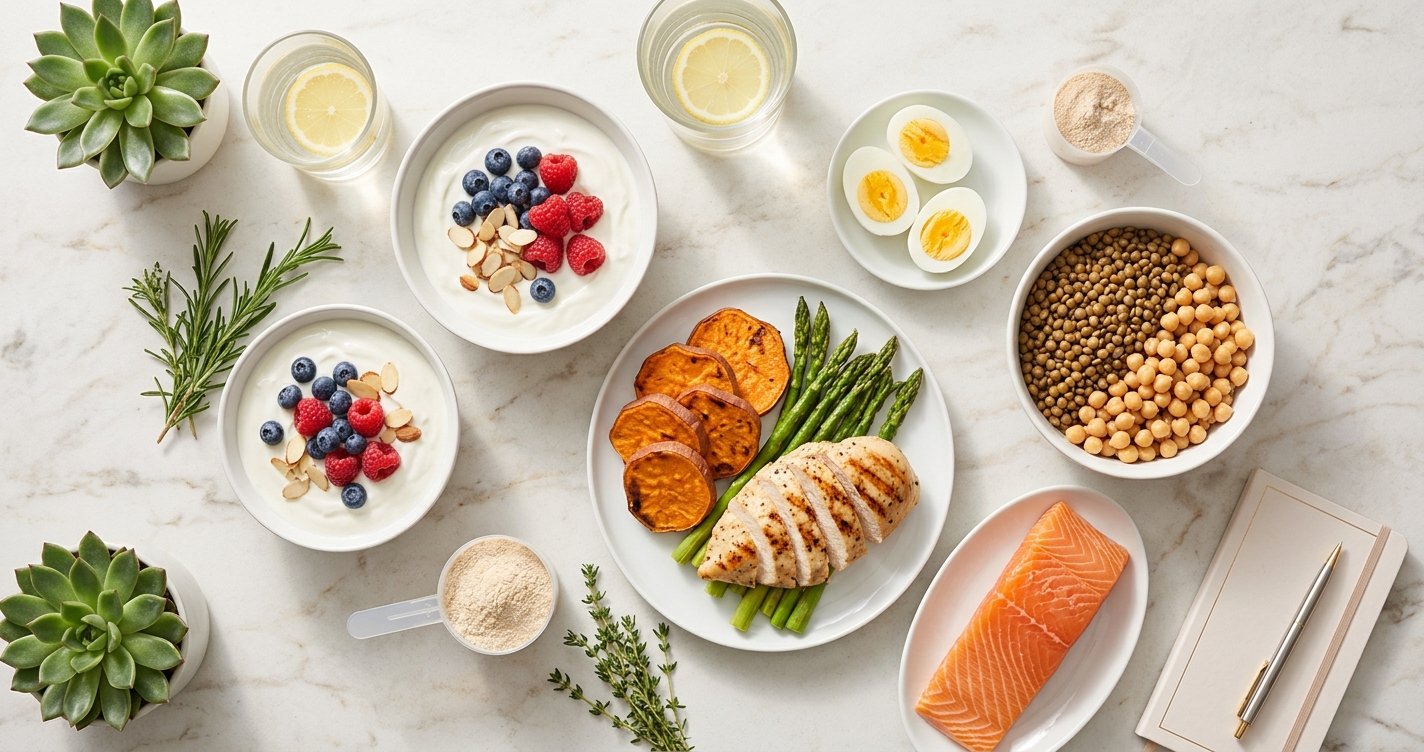
Eating more protein doesn't have to be boring or restrictive. There's a vast array of delicious options available, both animal and plant-based:
Animal-Based Protein Sources:
- Lean Meats: Chicken breast, turkey, lean beef (sirloin, round), pork loin.
- Fish: Salmon, tuna, cod, tilapia, shrimp (excellent source of omega-3s too!).
- Eggs: Whole eggs are a complete protein and incredibly versatile.
- Dairy: Greek yogurt, cottage cheese, milk, whey protein powder.
Plant-Based Protein Sources:
- Legumes: Lentils, black beans, chickpeas, kidney beans.
- Soy Products: Tofu, tempeh, edamame.
- Grains: Quinoa, oats, brown rice (in smaller amounts).
- Nuts & Seeds: Almonds, peanuts, chia seeds, flax seeds, hemp seeds.
- Plant-Based Protein Powders: Pea protein, rice protein, soy protein.
Integrating Protein into Your Daily Meals: Practical Strategies
Making protein a priority doesn't have to be complicated. Here are some simple, actionable strategies to boost your intake throughout the day:
- Breakfast Power-Up: Instead of just toast or cereal, try scrambled eggs, Greek yogurt with berries, a protein smoothie, or cottage cheese.
- Lunch & Dinner Focus: Make sure every main meal includes a generous serving of lean protein – think a palm-sized portion or more.
- Smart Snacking: Opt for protein-rich snacks like a handful of almonds, a hard-boiled egg, a piece of string cheese, or beef jerky.
- Spread It Out: Instead of consuming most of your protein in one meal, try to distribute your protein intake evenly across all your meals and snacks. This helps optimize muscle protein synthesis and satiety throughout the day.
- Plan Ahead: Meal prepping can be a lifesaver. Cook a batch of chicken breast or lentils at the beginning of the week to easily add to meals.
- Don't Forget the Water: While not a protein source, staying hydrated is crucial when increasing protein intake, as protein metabolism requires more water.
Beyond Protein: Holistic Habits for Sustainable Fat Loss
While a high-protein diet is a powerful tool, remember it's just one piece of the puzzle. For truly sustainable fat loss and overall health, consider these additional pillars:
- Calorie Deficit: Protein helps you achieve this more easily, but you still need to consume fewer calories than you burn.
- Strength Training: This is crucial for building and maintaining muscle mass, which works synergistically with protein to boost metabolism and improve body composition.
- Hydration: Drink plenty of water throughout the day.
- Quality Sleep: Poor sleep can disrupt hormones that regulate hunger and fat storage, making fat loss harder.
- Stress Management: Chronic stress can elevate cortisol, potentially leading to increased fat storage, especially around the midsection.
Conclusion: Embrace Protein, Transform Your Journey
You now have the knowledge and the tools to harness the incredible power of protein for your fat loss journey. From keeping you feeling full and satisfied, to boosting your metabolism, and preserving muscle, protein is truly a non-negotiable nutrient when aiming for sustainable results.
Remember, this isn't about perfection, but about progress. Start by making small, consistent changes: add an extra serving of protein to one meal, swap a sugary snack for a protein-rich option, or try a new protein source you haven't considered before. Embrace this friendly, evidence-based approach, and you'll not only see the numbers on the scale shift, but you'll also feel more energized, satiated, and confident in your ability to achieve and maintain your fat loss goals. You've got this!