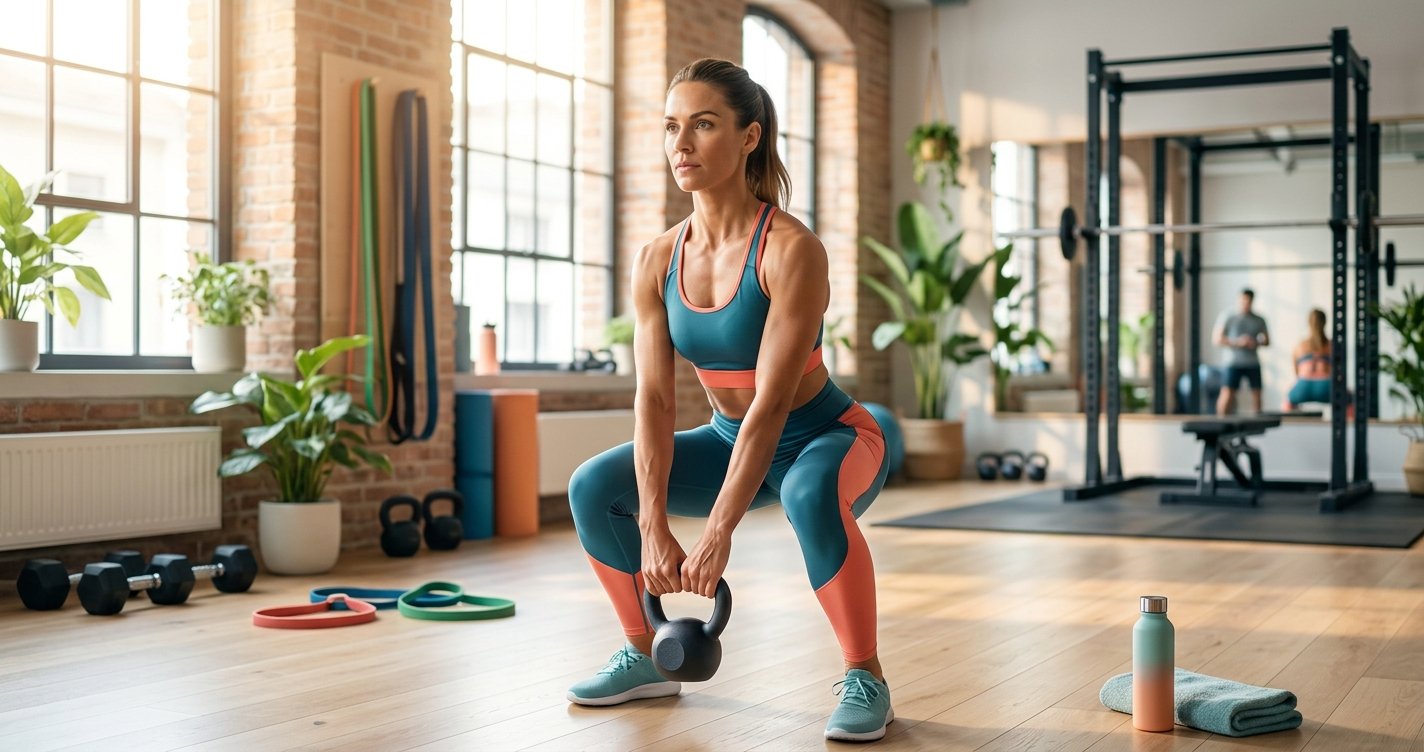
Are you tired of endless cardio sessions that leave you feeling exhausted but not seeing the lasting changes you desire? Many people default to hours on the treadmill or elliptical when their goal is fat loss, often overlooking one of the most powerful and effective tools available: strength training. It's time to ditch the misconception that lifting weights is just for bodybuilders or 'bulking up.' For sustainable fat loss, a toned physique, and a healthier body, strength training is not just beneficial – it's essential.
This isn't about chasing a number on the scale; it's about transforming your body composition, boosting your metabolism, and building a stronger, more resilient you. Get ready to discover why picking up those weights could be the most impactful decision you make on your fat loss journey. this excellent wellness product
Beyond the Scale: Understanding Body Composition
When we talk about 'fat loss,' it's crucial to distinguish it from 'weight loss.' Weight loss can mean losing muscle, water, or fat. True fat loss, however, focuses on reducing your body's fat mass while ideally preserving or even increasing your lean muscle mass. This is where strength training shines.
Why does this distinction matter? Because your body composition – the ratio of fat to lean mass – is a far better indicator of health, fitness, and aesthetic appeal than your total weight. More muscle and less fat means a more toned appearance, better metabolic health, and greater functional strength in your daily life. Strength training helps you sculpt your body, giving it shape and definition that cardio alone simply can't achieve.
The Metabolic Magic: How Muscle Burns Fat (Even at Rest)
One of the most compelling reasons to embrace strength training for fat loss lies in its profound impact on your metabolism. Muscle tissue is metabolically active, meaning it requires more energy (calories) to maintain than fat tissue. The more muscle you have, the higher your Basal Metabolic Rate (BMR) will be.
- Higher BMR: A higher BMR means your body burns more calories at rest, even when you're sleeping or watching TV. Imagine turning your body into a more efficient fat-burning machine 24/7!
- The Afterburn Effect (EPOC): Strength training workouts also trigger something called Excess Post-exercise Oxygen Consumption (EPOC), often referred to as the 'afterburn effect.' After an intense lifting session, your body continues to burn extra calories for hours, sometimes even up to 48 hours, as it works to recover, repair muscle tissue, and restore physiological processes. This extended calorie burn is significantly greater after strength training compared to steady-state cardio.
These two factors combine to create a powerful metabolic advantage, making strength training an indispensable part of any sustainable fat loss strategy.
Strength Training Isn't Just for "Bulking Up"
A common concern, especially among women, is that lifting weights will lead to an undesirable 'bulky' physique. This is a persistent myth that needs to be debunked! True significant muscle hypertrophy (bulking) requires very specific training protocols, often combined with a significant calorie surplus, and for women, a hormonal profile (like high testosterone) that most do not naturally possess. Most women simply don't have the hormonal makeup to bulk up easily.
Instead, what you'll experience with consistent strength training is:
- Leaner, Toned Physique: Your muscles will become firmer and more defined, giving you that 'toned' look.
- Improved Body Shape: You'll notice changes in your body's contours, feeling stronger and more confident in your skin.
- Enhanced Functional Strength: Daily tasks become easier, from carrying groceries to playing with your kids.
- Better Bone Density: Weight-bearing exercises are crucial for maintaining strong bones and preventing osteoporosis.
- Reduced Injury Risk: Stronger muscles and joints mean better stability and less susceptibility to injuries.
Embrace the weights – they will empower you, not bulk you up!
Designing Your Fat-Loss Focused Strength Program
Ready to start lifting? Here’s how to structure an effective program:
Frequency and Consistency
Aim for 2-4 strength training sessions per week. Consistency is key. It's better to lift 3 times a week consistently for months than to hit the gym 5 times one week and then take two weeks off.
Compound Movements are King
Focus on compound exercises that work multiple muscle groups simultaneously. These movements are more metabolically demanding, burn more calories, and build more overall strength and muscle. Examples include:
- Squats: Barbell squats, goblet squats, front squats.
- Deadlifts: Conventional deadlifts, sumo deadlifts, Romanian deadlifts.
- Presses: Bench press (barbell or dumbbell), overhead press.
- Rows: Barbell rows, dumbbell rows, cable rows.
- Lunges: Forward lunges, reverse lunges, walking lunges.
Incorporate these foundational movements into your routine, often at the beginning of your workout when your energy is highest.
Progressive Overload
This is the fundamental principle of strength training. To continue getting stronger and building muscle, you must gradually increase the demand placed on your muscles over time. This can be achieved by:
- Increasing the weight you lift.
- Performing more repetitions with the same weight.
- Doing more sets.
- Decreasing rest time between sets.
- Improving your exercise form.
Without progressive overload, your muscles won't have a reason to adapt and grow stronger.
Rep Ranges and Intensity
For fat loss and muscle building (hypertrophy), a moderate rep range is generally effective. Aim for 3-4 sets of 8-12 repetitions per exercise. Choose a weight that challenges you to complete the last few reps with good form, but doesn't compromise your technique. Don't be afraid to lift heavy – 'heavy' is relative to your current strength level.
Fueling Your Strength and Fat Loss Journey
While strength training is a powerful catalyst, nutrition remains the cornerstone of any successful fat loss plan. You can't out-train a poor diet.
Protein Power
Protein is your best friend for fat loss. It's crucial for muscle repair and growth, and it's highly satiating, helping you feel fuller for longer and reducing cravings. Aim for 0.7-1 gram of protein per pound of body weight daily. Good sources include lean meats, poultry, fish, eggs, dairy, legumes, and protein supplements.
Calorie Deficit (Smartly Done)
To lose fat, you generally need to be in a slight calorie deficit (consuming fewer calories than you burn). However, avoid extreme deficits, as this can lead to muscle loss. A moderate deficit (300-500 calories below maintenance) combined with sufficient protein intake will help ensure you're losing fat, not valuable muscle.
Hydration and Micronutrients
Don't forget the basics! Drink plenty of water throughout the day to support metabolism, athletic performance, and overall health. Ensure you're getting a wide range of vitamins and minerals from fruits, vegetables, and whole grains to support your body's functions and recovery.
Beyond the Gym: Lifestyle Factors for Success
Your fat loss journey isn't confined to your workouts. Other lifestyle factors play a critical role:
- Adequate Sleep: Aim for 7-9 hours of quality sleep per night. Sleep deprivation can disrupt hormones that regulate appetite and fat storage, making fat loss harder.
- Stress Management: Chronic stress elevates cortisol levels, which can promote fat storage, especially around the midsection. Find healthy ways to manage stress, such as meditation, yoga, or hobbies.
- Active Recovery: Don't just sit around on your rest days. Engage in light activities like walking, stretching, or foam rolling to aid recovery and boost circulation.
- Patience and Consistency: Fat loss is a journey, not a race. There will be ups and downs. Celebrate non-scale victories – improved strength, better mood, clothes fitting differently.
The Long Game: Sustainable Results and a Stronger You
Embracing strength training for fat loss is a commitment to a healthier, stronger, and more confident you. It's about building habits that last a lifetime, not just chasing a quick fix. The benefits extend far beyond aesthetics, impacting your energy levels, mental health, and overall longevity.
So, step into the weight room, learn proper form, and challenge yourself. Start with bodyweight exercises if you're new, or enlist the help of a qualified trainer to guide you. Be patient, be consistent, and trust the process. Your body will thank you for it, and you'll discover the incredible power you hold to sculpt the physique and health you've always wanted. Lift your way lean, and unleash your strongest self!