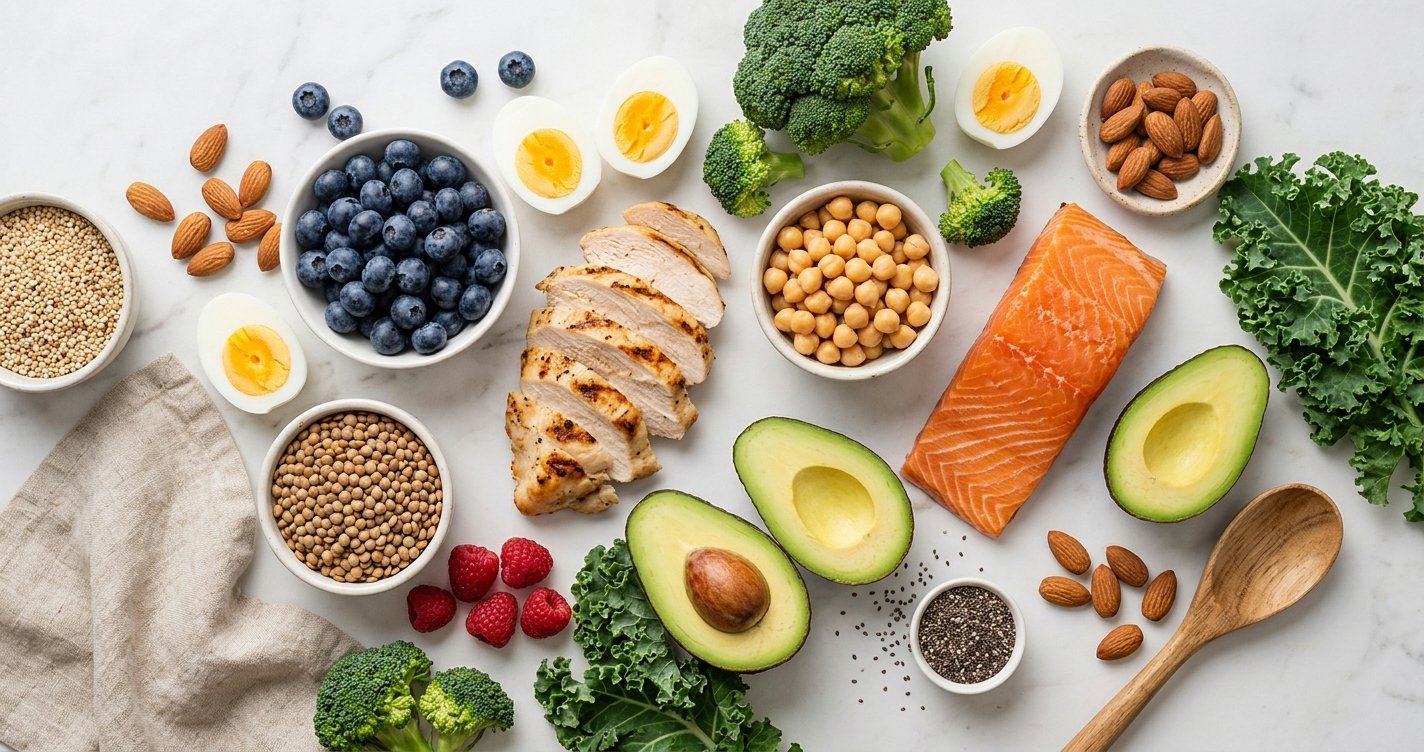
Tired of Quick Fixes? Discover the Sustainable Secret to Fat Loss!
In the vast, often confusing world of fat loss, it's easy to get caught up in fleeting trends and restrictive diets. But what if we told you that two fundamental nutrients, often overlooked in their combined power, hold the key to not just losing weight, but keeping it off sustainably? We're talking about protein and fiber – the dynamic duo that can transform your body, boost your energy, and make your fat loss journey feel less like a battle and more like a natural evolution.
Forget starvation, endless cardio, or complicated meal plans. This isn't about deprivation; it's about strategic nourishment. In this guide, we'll dive deep into the science-backed reasons why protein and fiber are your ultimate allies in achieving lasting fat loss, and how you can effortlessly integrate more of them into your daily life. Get ready to feel fuller, more energized, and finally build the healthy, sustainable habits that lead to the body you desire. this excellent wellness product
Why Protein is Your Fat Loss MVP (Most Valuable Player)
Protein isn't just for bodybuilders. It's a macronutrient powerhouse crucial for everyone, especially those aiming for fat loss. Here's why it deserves MVP status:
The Satiety Superhero: Feeling Fuller, Longer
One of the biggest challenges in fat loss is managing hunger. Protein comes to the rescue as the ultimate satiety nutrient. Studies consistently show that a higher protein intake leads to increased feelings of fullness and reduced appetite. This is partly due to its impact on hunger hormones like ghrelin (the "hunger hormone") and leptin (the "satiety hormone").
- Thermic Effect of Food (TEF): Protein has the highest TEF among all macronutrients. This means your body expends more energy (calories) digesting and metabolizing protein compared to carbs or fats. A higher TEF contributes to a slight boost in your daily calorie expenditure.
- Stable Blood Sugar: Protein helps stabilize blood sugar levels, preventing the sharp spikes and crashes that often lead to intense cravings and overeating.
Muscle Maintenance and Metabolism Boost
When you're in a calorie deficit, your body can lose both fat and muscle. Protein is vital for preserving precious lean muscle mass. Why does this matter for fat loss?
- Metabolic Advantage: Muscle tissue is more metabolically active than fat tissue. This means the more muscle you have, the more calories your body burns at rest (your Basal Metabolic Rate or BMR). Protecting your muscle mass ensures your metabolism stays revved up, making fat loss more efficient.
- Strength and Function: Maintaining muscle also means you'll feel stronger, have more energy for workouts, and maintain overall physical function.
Reducing Cravings and Snacking
If you find yourself constantly reaching for unhealthy snacks, inadequate protein intake might be a culprit. By promoting satiety and stabilizing blood sugar, protein helps curb those pesky cravings, especially for sugary or processed foods. A protein-rich breakfast, for instance, has been shown to reduce evening snacking and overall calorie intake throughout the day.
Fiber: The Unsung Hero of a Leaner You
Often overshadowed by protein, dietary fiber is a nutritional superstar with profound benefits for fat loss and overall health. It's not just about "regularity"!
The Fullness Factor: A Natural Appetite Suppressant
Like protein, fiber is excellent at making you feel full without adding many calories. Here's how:
- Bulk and Volume: Fiber, especially soluble fiber, absorbs water and forms a gel-like substance in your digestive tract. This adds significant bulk to your meals, taking up more space in your stomach and signaling to your brain that you're full.
- Slowed Digestion: Fiber slows down the rate at which food leaves your stomach, prolonging feelings of satiety and reducing the likelihood of overeating at subsequent meals.
Gut Health Guru: A Healthy Gut for a Healthy Weight
Emerging research has highlighted the critical link between gut health and weight management. Fiber plays a starring role here:
- Prebiotic Power: Fiber acts as a prebiotic, feeding the beneficial bacteria in your gut microbiome. A diverse and healthy gut microbiome is associated with better metabolic health, reduced inflammation, and even improved mood – all factors that indirectly support fat loss.
- Waste Elimination: Insoluble fiber adds bulk to stool, promoting regular bowel movements and helping your body efficiently eliminate waste and toxins.
Blood Sugar Balancer and Fat Storage Fighter
Fiber is a secret weapon against blood sugar spikes, which are notorious for triggering insulin release and promoting fat storage.
- Slowed Sugar Absorption: By slowing down digestion, fiber also slows the absorption of sugars into your bloodstream. This prevents rapid spikes in blood glucose and subsequent insulin surges, creating a more stable environment for fat burning rather than fat storage.
- Reduced Insulin Resistance Risk: Consistent control of blood sugar levels helps improve insulin sensitivity over time, which is crucial for preventing insulin resistance and making fat loss easier.
The Synergistic Power: Protein and Fiber Together
While powerful on their own, protein and fiber work in incredible synergy to amplify their fat loss benefits. Imagine a meal rich in both – like a chicken and veggie stir-fry, or Greek yogurt with berries and nuts. You get:
- Double-Whammy Satiety: The combined effect is far greater than either nutrient alone. You'll feel incredibly full and satisfied for hours, naturally reducing your overall calorie intake without feeling deprived.
- Sustained Energy: With stable blood sugar and prolonged digestion, you'll experience steady energy levels throughout the day, avoiding the dreaded afternoon slump and the cravings that often follow.
- Optimized Digestion and Metabolism: Your gut will be happier, your metabolism more efficient, and your body primed for sustainable fat burning.
How to Effortlessly Boost Your Protein and Fiber Intake
Ready to harness the power of this dynamic duo? It's simpler than you think!
Smart Swaps and Additions for Protein
- Prioritize Protein at Every Meal: Aim for 20-30 grams of protein per meal.
- Lean Meats & Poultry: Chicken breast, turkey, lean beef, pork tenderloin.
- Fish: Salmon, tuna, cod, tilapia (rich in Omega-3s too!).
- Eggs: A complete protein, versatile and affordable.
- Dairy: Greek yogurt, cottage cheese, milk, kefir.
- Legumes: Lentils, beans, chickpeas (also packed with fiber!).
- Plant-Based Proteins: Tofu, tempeh, edamame, seitan.
- Protein Powder: A convenient option for smoothies or shakes when you're on the go.
Fiber-Rich Foods to Embrace
- Whole Grains: Oats, quinoa, brown rice, whole wheat bread/pasta.
- Fruits: Berries, apples (with skin!), pears, oranges, bananas.
- Vegetables: Broccoli, spinach, kale, Brussels sprouts, carrots, sweet potatoes, bell peppers (eat the rainbow!).
- Legumes: Beans, lentils, chickpeas (yes, again – they're a double threat!).
- Nuts & Seeds: Almonds, chia seeds, flax seeds, sunflower seeds.
Practical Tips for Meal Planning
- Start Your Day Right: A high-protein, high-fiber breakfast (e.g., Greek yogurt with berries and chia seeds, or scrambled eggs with spinach and whole-wheat toast) sets you up for success.
- "Protein-First" Plates: Build your meals around a lean protein source, then add plenty of colorful vegetables and a serving of whole grains or legumes.
- Smart Snacking: Opt for snacks that combine protein and fiber, like an apple with almond butter, cottage cheese with chopped veggies, or a handful of mixed nuts.
- Hydrate: Drink plenty of water throughout the day, especially when increasing fiber intake, to aid digestion.
- Increase Gradually: If you're not used to a high-fiber diet, increase your intake slowly to avoid digestive discomfort.
Beyond the Plate: Other Pillars of Sustainable Fat Loss
While protein and fiber are fundamental, remember they are part of a larger wellness ecosystem. For truly sustainable fat loss, consider these additional pillars:
- Adequate Hydration: Water is crucial for metabolism, satiety, and overall bodily functions.
- Quality Sleep: Poor sleep can disrupt hormones that regulate appetite (ghrelin and leptin), making fat loss harder.
- Stress Management: Chronic stress elevates cortisol, a hormone linked to increased fat storage, particularly around the midsection.
- Consistent Movement: Incorporate both strength training (to build and preserve muscle) and cardiovascular exercise for overall health and calorie expenditure.
- Mindful Eating: Pay attention to your body's hunger and fullness cues, and savor your meals.
Embrace the Power, Transform Your Journey
You now have the knowledge to leverage the incredible power of protein and fiber for sustainable fat loss. This isn't about chasing a number on the scale; it's about building a healthier, more vibrant you from the inside out. By focusing on these two essential nutrients, you'll naturally feel more satisfied, have more energy, and create a metabolic environment that favors fat burning.
Start small, make gradual changes, and listen to your body. Embrace this evidence-based approach, and watch as your relationship with food transforms, leading you towards lasting results and a healthier, happier life. Your journey to sustainable fat loss begins with strategic nourishment – let protein and fiber lead the way!