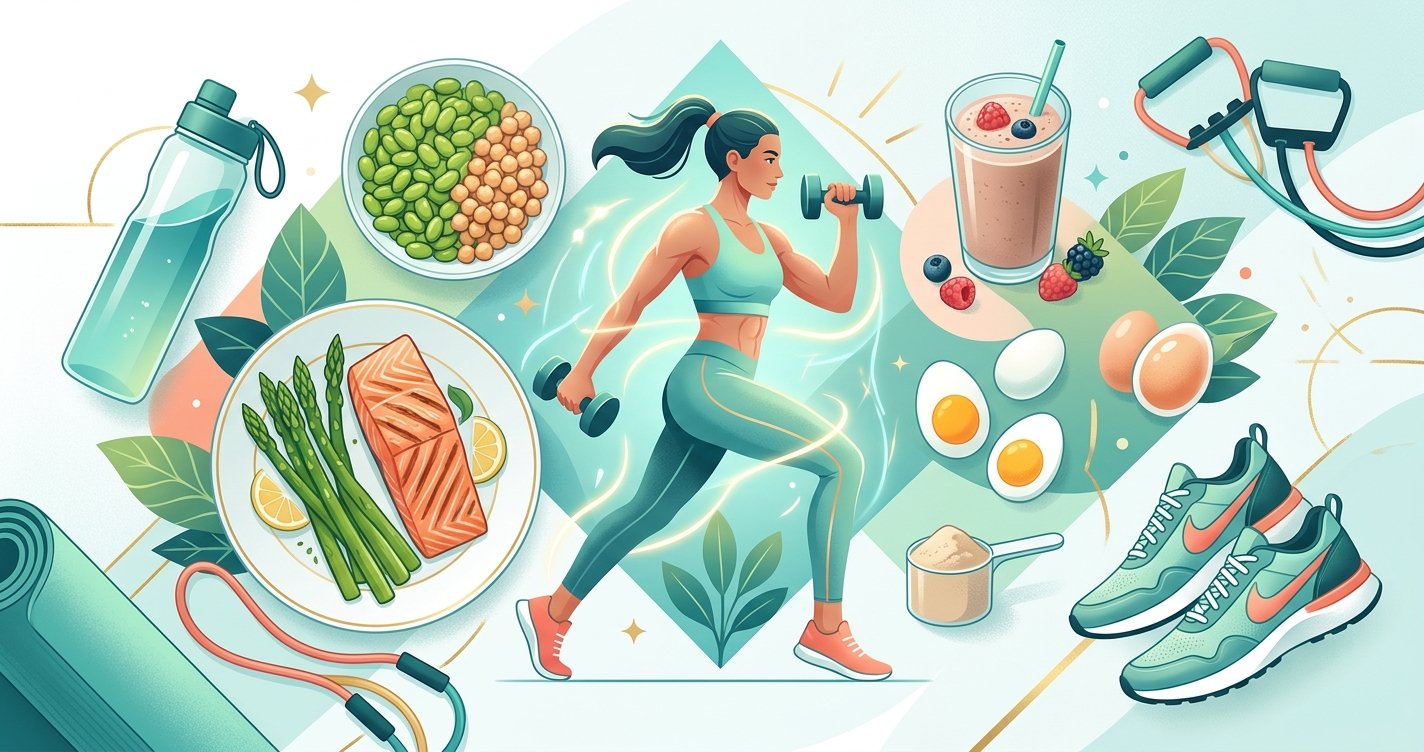
Are you tired of the diet rollercoaster, constantly searching for that "magic bullet" to finally achieve sustainable fat loss? You're not alone. In a world full of conflicting advice, one nutritional powerhouse consistently stands out for its profound impact on body composition: protein. Often relegated to the realm of bodybuilders, protein is, in fact, your ultimate ally in the journey to a leaner, stronger, and healthier you. It's not just about building big muscles; it's about optimizing your metabolism, curbing cravings, and protecting your hard-earned muscle mass during a calorie deficit.
Forget deprivation and unsustainable eating plans. This isn't about counting every single crumb or adopting extreme measures. Instead, we're going to dive deep into the science-backed reasons why prioritizing protein can be the most impactful, yet often overlooked, strategy for effective fat loss. Get ready to understand why protein is a game-changer and how you can effortlessly integrate more of it into your daily life, transforming your approach to nutrition and finally seeing lasting results. this excellent wellness product
Understanding the Protein Powerhouse: Why It's Your Fat Loss Ally
Protein isn't just a macronutrient; it's a strategic weapon in your fat loss arsenal. Its benefits extend far beyond simple calorie content, influencing various physiological processes that are critical for shedding unwanted body fat while preserving what truly matters – your muscle.
Satiety Superpower: Feeling Full, Eating Less
One of the most immediate and impactful benefits of protein is its incredible ability to keep you feeling full and satisfied. Imagine going longer between meals without that nagging hunger or the urge to snack. This isn't just wishful thinking; it's a scientific reality. Protein has a profound effect on satiety hormones like GLP-1 and PYY, which signal to your brain that you're full, while simultaneously suppressing ghrelin, the "hunger hormone." By incorporating adequate protein into your meals, you naturally reduce overall calorie intake because you simply feel less hungry and experience fewer cravings. This makes adhering to a calorie deficit much easier and more sustainable, preventing those infamous diet-breaking snack attacks.
The Thermic Effect: Burning More Calories Just by Eating
Did you know that your body expends energy just to digest, absorb, and metabolize the food you eat? This is known as the Thermic Effect of Food (TEF). And guess which macronutrient boasts the highest TEF? You guessed it – protein! While carbohydrates have a TEF of 5-10% and fats around 0-3%, protein requires a whopping 20-30% of its caloric value to be processed. This means that for every 100 calories of protein you consume, your body uses 20-30 of those calories just to break it down. While it might seem small on a per-meal basis, this metabolic advantage adds up over time, contributing to a higher daily calorie expenditure and giving you a slight, yet significant, edge in your fat loss journey.
Muscle Preservation: Protecting Your Metabolism
When you're in a calorie deficit to lose fat, your body doesn't always discriminate; it can tap into both fat and muscle tissue for energy. Losing muscle mass is detrimental for several reasons: it can slow down your metabolism (as muscle is more metabolically active than fat), make you weaker, and give you a less toned appearance. This is where protein steps in as a guardian. A high protein intake, especially when combined with resistance training, signals to your body to preserve muscle tissue. It provides the essential amino acids needed for muscle repair and growth, ensuring that the weight you lose is predominantly fat, not precious muscle. Maintaining muscle mass is crucial for keeping your metabolism revving and achieving a lean, strong physique.
How Much Protein Do You Really Need for Optimal Fat Loss?
While the general recommended daily allowance (RDA) for protein is 0.8 grams per kilogram (g/kg) of body weight, this is often considered the minimum to prevent deficiency, not necessarily the optimal amount for active individuals or those aiming for fat loss. For maximizing satiety, preserving muscle, and boosting metabolism during a calorie deficit, evidence-based recommendations typically suggest a higher intake.
- General Guideline: Aim for approximately 1.6 to 2.2 grams of protein per kilogram of body weight (or 0.7 to 1.0 grams per pound of body weight) per day.
- Consider Your Activity Level: If you're highly active or engaging in regular strength training, the higher end of this range might be more beneficial.
- Body Composition Goals: If your goal is significant fat loss while maintaining muscle, leaning towards the higher end is often recommended.
Don't get too bogged down by precise numbers. Think of these as flexible guidelines. The most important thing is to make a conscious effort to increase your protein intake beyond what you might currently be consuming, spreading it throughout your meals.
Fueling Up: Top Protein Sources for a Leaner Body
Variety is the spice of life, and it's also key to hitting your protein targets and ensuring you get a broad spectrum of nutrients. Here are some excellent sources to include in your diet:
Animal-Based Protein: Lean and Complete
These sources are often considered "complete proteins," meaning they contain all nine essential amino acids your body can't produce on its own.
- Lean Meats: Chicken breast, turkey breast, lean cuts of beef (sirloin, round), pork loin.
- Fish: Salmon, tuna, cod, tilapia – excellent sources of protein and often healthy fats (like omega-3s in salmon).
- Eggs: A versatile and affordable protein powerhouse, especially egg whites.
- Dairy: Greek yogurt, cottage cheese, milk, whey protein powder – packed with protein and often calcium.
Plant-Based Protein: Powerful Alternatives
With smart combinations, plant-based sources can also provide a complete amino acid profile and offer additional fiber and micronutrients.
- Legumes: Lentils, black beans, chickpeas, kidney beans.
- Soy Products: Tofu, tempeh, edamame.
- Grains: Quinoa (a complete protein), oats.
- Nuts and Seeds: Almonds, peanuts, chia seeds, flax seeds, hemp seeds (in moderation due to higher fat content).
- Plant-Based Protein Powders: Pea protein, brown rice protein, soy protein.
Strategizing Your Protein Intake: Timing Matters (But Don't Obsess!)
While the total daily protein intake is most important, strategically distributing your protein throughout the day can further enhance its benefits. Aim to include a good source of protein at every main meal and even in your snacks.
- Start Strong with Breakfast: Ditch the sugary cereals and opt for protein-rich options like eggs, Greek yogurt, or a protein smoothie. This sets you up for satiety and stable blood sugar throughout the morning.
- Evenly Distribute: Instead of front-loading or back-loading your protein, try to spread it relatively evenly across 3-4 meals. For instance, if your target is 150g, aim for 35-50g per meal.
- Post-Workout: While the "anabolic window" isn't as narrow as once thought, consuming protein after exercise can aid in muscle repair and recovery.
- Before Bed: A slow-digesting protein like casein (found in cottage cheese or casein protein powder) before bed can help with overnight muscle recovery and reduce hunger pangs.
Remember, consistency trumps perfection. Focus on making protein a priority in most of your meals, and don't stress if one day isn't perfectly distributed.
Beyond the Plate: Practical Tips to Boost Your Protein Intake
Integrating more protein into your diet doesn't have to be complicated or boring. Here are some simple, actionable tips to help you hit your goals:
- Meal Prep Power: Cook a batch of lean protein (chicken breast, ground turkey, lentils) at the beginning of the week to easily add to salads, wraps, or stir-fries.
- Smart Snacking: Replace carb-heavy snacks with protein-rich alternatives like Greek yogurt, cottage cheese, hard-boiled eggs, a handful of almonds, or a protein bar.
- Smoothie Boost: Add a scoop of your favorite protein powder to your morning smoothie for an effortless protein punch.
- Fortify Your Favorites: Mix ground meat into pasta sauces, add chickpeas or shredded chicken to soups, or sprinkle nutritional yeast (a good source of plant-based protein) onto popcorn or salads.
- Read Labels: When grocery shopping, pay attention to the protein content on food labels. Choose options that offer a higher protein-to-calorie ratio.
- Prioritize Protein First: When building your plate, think about your protein source first, then add vegetables and healthy carbs.
Common Protein Myths Debunked
Despite its benefits, protein often gets a bad rap due to misinformation. Let's clear up a few common myths:
- "Too much protein is bad for your kidneys": For healthy individuals without pre-existing kidney conditions, a high-protein diet within recommended ranges is generally safe and does not cause kidney damage. Always consult your doctor if you have specific health concerns.
- "Protein makes you bulky": Consuming protein, even in higher amounts, will not automatically make you bulky. Building significant muscle mass requires a calorie surplus, intense resistance training, and specific hormonal profiles. Protein helps maintain and build muscle, but it won't magically make you look like a bodybuilder.
- "You can only absorb X grams of protein per meal": Your body is incredibly efficient. While there might be an optimal amount of protein to stimulate muscle protein synthesis at one time, your digestive system can process and absorb much larger quantities over several hours. Don't worry about hitting a strict per-meal limit; focus on your daily total.
Embracing protein as a cornerstone of your diet is one of the most effective, evidence-backed strategies for achieving sustainable fat loss. It empowers you to feel fuller, burn more calories, and protect your metabolism, all while building a stronger, more resilient body. By making conscious choices to prioritize protein, you're not just going on another diet; you're adopting a powerful, sustainable lifestyle change that will yield lasting results.
So, are you ready to unlock the full potential of protein? Start incorporating these tips today, and watch as your body transforms, not just in appearance, but in strength, energy, and overall well-being. Your leaner, stronger self is within reach – power up with protein!