Protein Power for Fat Loss: Unlock Your Body's Secret Weapon
Are you tired of endless diets that leave you feeling hungry, deprived, and ultimately frustrated with minimal results? You’re not alone. Many people struggle with sustainable fat loss, often overlooking one of the most powerful allies in their journey: protein. Far from just being for bodybuilders, protein is your secret weapon for feeling fuller, boosting your metabolism, and preserving precious muscle mass while shedding unwanted fat.
In this comprehensive guide, we'll dive deep into why protein is indispensable for effective fat loss, how much you truly need, and practical strategies to seamlessly integrate more of it into your daily life. Get ready to transform your approach to nutrition and finally achieve the lasting results you've been searching for! this excellent wellness product
Why Protein is Your Secret Weapon for Fat Loss
Protein isn't just a macronutrient; it's a metabolic marvel. Its unique properties make it incredibly effective for fat loss, working on multiple fronts to help you reach your goals without feeling like you're constantly fighting hunger.
The Satiety Factor: Feeling Fuller, Longer
One of the biggest challenges in any fat loss journey is managing hunger. Cravings and constant feelings of emptiness can quickly derail even the most determined efforts. This is where protein shines!
- Increased Satiety Hormones: Protein has a remarkable ability to increase the production of satiety hormones like PYY and GLP-1, which signal to your brain that you're full and satisfied. At the same time, it helps reduce levels of ghrelin, the 'hunger hormone'.
- Reduced Snacking: Studies consistently show that individuals who consume higher protein meals tend to eat less at subsequent meals and snack less throughout the day. Imagine going hours without thinking about food – that's the power of protein!
By keeping you feeling fuller for longer, protein naturally helps you consume fewer calories without the constant battle against your appetite. This makes adhering to a calorie deficit (essential for fat loss) significantly easier and more enjoyable.
Boosting Your Metabolism: The Thermic Effect of Food (TEF)
Did you know that your body burns calories just to digest, absorb, and metabolize the food you eat? This phenomenon is known as the Thermic Effect of Food (TEF), and it varies significantly between macronutrients.
- Protein's Metabolic Advantage: Protein has the highest TEF compared to carbohydrates and fats. Approximately 20-30% of the calories from protein are burned off during its digestion and metabolism. For example, if you eat 100 calories of protein, your body might use 20-30 calories just to process it.
- More Calories Burned: This means that a high-protein diet effectively boosts your daily calorie expenditure, giving you a slight metabolic edge that contributes to faster and more efficient fat loss. It's like a mini-workout for your digestive system!
Protecting Your Muscle: Why Lean Mass Matters for Fat Loss
When you lose weight, you want to lose fat, not muscle. Unfortunately, during a calorie deficit, the body can break down muscle tissue for energy, especially if protein intake is insufficient. This is detrimental because muscle is metabolically active, meaning it burns more calories at rest than fat tissue.
- Preventing Muscle Loss: Adequate protein intake provides the necessary amino acids to repair and rebuild muscle tissue, signaling to your body to preserve your lean mass even when you're eating fewer calories.
- Maintaining Metabolic Rate: By preserving muscle, you protect your resting metabolic rate (RMR). A higher RMR means you burn more calories even when you're doing nothing, making it easier to maintain your weight loss in the long run and avoid the dreaded 'rebound' effect.
- Improved Body Composition: The goal isn't just 'weight loss,' but 'fat loss.' Maintaining or even building muscle while losing fat leads to a more toned, strong, and healthy physique.
How Much Protein Do You Really Need?
So, if protein is so powerful, how much should you be aiming for? While individual needs vary, there are evidence-based guidelines to help you optimize your intake for fat loss.
General Guidelines and Individual Needs
For active individuals aiming for fat loss, general recommendations often fall within a specific range:
- Bodyweight Based: A good starting point is typically 1.6 to 2.2 grams of protein per kilogram of body weight (or 0.7 to 1 gram per pound of body weight).
- Example: If you weigh 70 kg (about 154 lbs) and are moderately active, you might aim for 112-154 grams of protein per day. If you're very active or in a significant calorie deficit, leaning towards the higher end of this range can be beneficial.
Remember, these are guidelines. Factors like your activity level, age, current body composition, and the severity of your calorie deficit can influence your optimal intake. Listening to your body and adjusting as needed is key.
Spreading Your Protein Intake Throughout the Day
It's not just about the total amount; how you distribute your protein matters too. Your body can only utilize a certain amount of protein for muscle protein synthesis (MPS) at one time. Spreading your intake ensures a steady supply of amino acids.
- Aim for Even Distribution: Try to consume 20-40 grams of protein at each main meal (breakfast, lunch, dinner).
- Strategic Snacking: Incorporate protein-rich snacks between meals to maintain satiety and keep your body in an anabolic (muscle-building/preserving) state.
Smart Strategies to Increase Your Protein Intake
Now that you understand the 'why' and 'how much,' let's get practical. Here are actionable strategies to effortlessly boost your protein intake.
Whole Foods First: Excellent Protein Sources
Prioritize whole, unprocessed protein sources. They come packed with other essential nutrients and fiber.
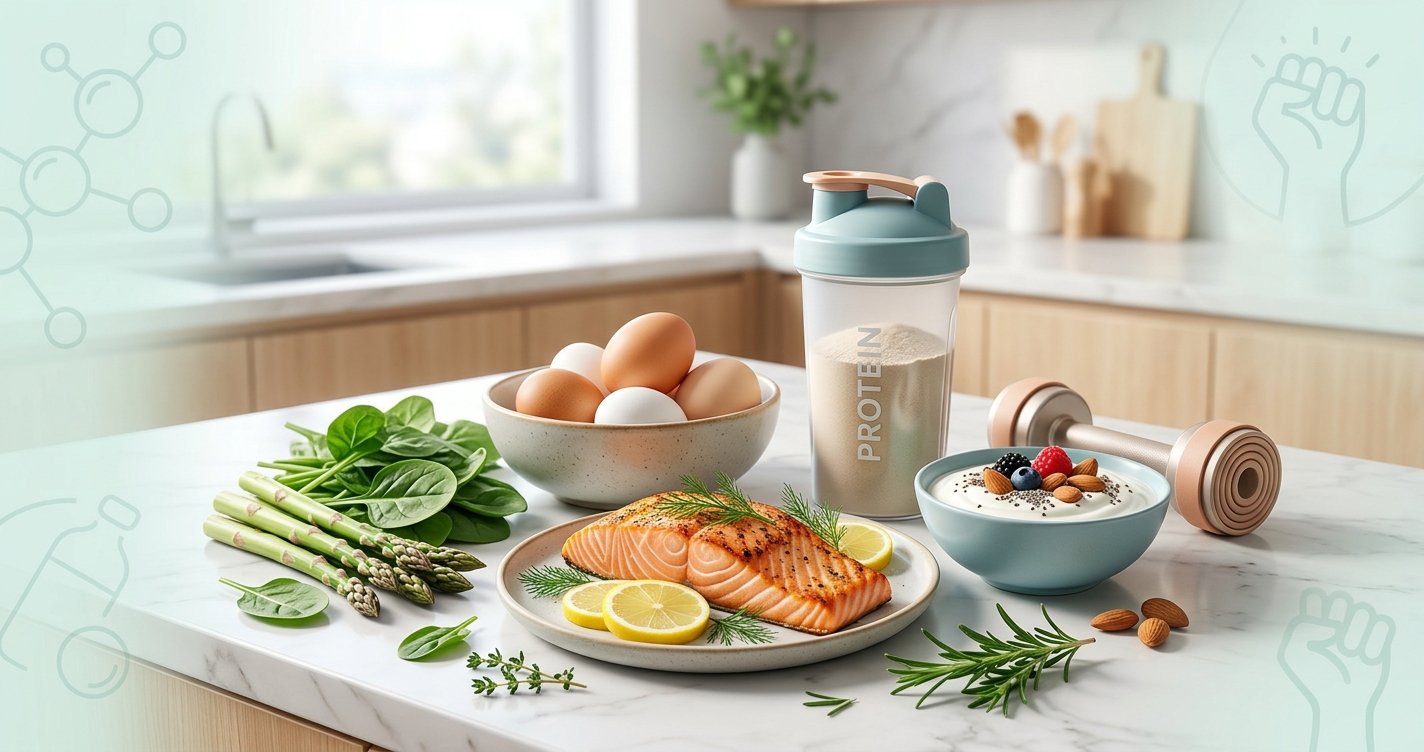
- Animal Sources: Lean meats (chicken breast, turkey, lean beef), fish (salmon, tuna, cod), eggs, Greek yogurt, cottage cheese, milk.
- Plant Sources: Lentils, beans (black beans, chickpeas), tofu, tempeh, edamame, quinoa, nuts, seeds, nutritional yeast.
Tip: Start your day with protein! A protein-rich breakfast (e.g., scrambled eggs, Greek yogurt with berries, protein smoothie) can set you up for success, reducing hunger and cravings throughout the day.
Protein Supplements: When and How to Use Them
While whole foods should always be your foundation, protein supplements can be a convenient and effective tool, especially when you're busy or struggling to meet your daily targets.
- Convenience: Protein powders (whey, casein, plant-based like pea or soy) are excellent for quick shakes, adding to oatmeal, or boosting smoothies.
- Post-Workout: A protein shake after a workout can help with muscle repair and recovery, though a whole-food meal works just as well if consumed soon after.
- Choosing Wisely: Opt for high-quality supplements with minimal added sugars or artificial ingredients.
Meal Planning and Preparation Tips
Consistency is key. A little planning goes a long way!
- Batch Cook: Prepare large batches of protein sources like grilled chicken, roasted turkey, or cooked lentils at the beginning of the week.
- Smart Snacks: Keep protein-rich snacks readily available: hard-boiled eggs, cheese sticks, Greek yogurt, a handful of almonds, or a pre-made protein shake.
- Protein-Focused Meals: When planning meals, think about your protein source first, then build the rest of your meal around it with vegetables and healthy carbs.
Common Protein Myths Debunked
Despite its benefits, protein often gets a bad rap due to persistent myths. Let's clear the air.
"Too Much Protein is Bad for Your Kidneys"
This is a common concern, but for healthy individuals, there's no strong evidence to suggest that a high-protein diet causes kidney damage. Studies have repeatedly shown that higher protein intakes are safe for people with healthy kidney function. If you have pre-existing kidney disease, consulting a doctor or dietitian is crucial, but for the general population, this myth is largely unfounded.
"Protein Will Make You Bulky"
This fear, particularly among women, is unfounded. Building significant muscle mass requires a very specific training regimen, a calorie surplus, and often, a hormonal profile (like high testosterone) that most women naturally lack. Protein helps build *lean* muscle, which contributes to a toned physique and a higher metabolism – not an overly bulky one.
Putting It All Together: Your Protein-Powered Fat Loss Plan
Ready to put protein to work for you? Here’s a simple action plan:
- Calculate Your Target: Determine your ideal daily protein intake (1.6-2.2g/kg body weight).
- Plan Your Meals: Aim for 20-40g of protein at each major meal.
- Prioritize Whole Foods: Make lean meats, fish, eggs, dairy, and plant-based proteins the stars of your plate.
- Smart Snacking: Keep protein-rich snacks handy to curb hunger between meals.
- Consider Supplements: Use protein powder for convenience, but don't rely on it as your sole source.
- Stay Consistent: Make protein a non-negotiable part of every meal, every day.
Conclusion: Embrace the Power of Protein for Lasting Fat Loss
Protein is not just another fad diet ingredient; it's a fundamental nutrient with scientifically proven benefits for fat loss and overall health. By strategically increasing your protein intake, you can harness its power to control hunger, boost your metabolism, and preserve muscle, making your fat loss journey more effective, sustainable, and enjoyable.
Stop fighting hunger and start fueling your body intelligently. Embrace the power of protein, and watch as you transform not just your weight, but your entire relationship with food and your body. You've got this!