Are you on a journey to shed those extra pounds, but feel like you're constantly battling hunger, sluggishness, or the dreaded 'yo-yo' effect? You're not alone. Many people focus purely on cutting calories, often overlooking a crucial macronutrient that can make all the difference: protein. Think of protein not just as fuel for your muscles, but as your secret weapon for sustainable fat loss.
In a world flooded with quick-fix diets and conflicting advice, it's easy to get lost. But what if we told you there's a science-backed, incredibly effective, and surprisingly satisfying way to accelerate your fat loss, keep you fuller for longer, and even help you build a stronger, leaner physique? Welcome to the power of protein. This isn't about bland chicken breasts for every meal; it's about understanding how protein works for your body and integrating it smartly into your diet to achieve lasting results. Let's dive into why protein is your best friend on your fat loss journey, backed by solid evidence, and how you can harness its power. this excellent wellness product
Why Protein is Your Secret Weapon for Fat Loss (The Science-Backed Benefits)
Protein isn't just a building block; it's a metabolic marvel when it comes to body composition. Here’s how it works wonders for your fat loss goals:
Crushing Cravings with Satiety
One of the biggest challenges in any fat loss journey is managing hunger. Good news: protein is king when it comes to making you feel full and satisfied. Studies consistently show that a higher protein intake increases satiety hormones (like GLP-1 and cholecystokinin) and reduces ghrelin, the 'hunger hormone'. This means you'll naturally eat less without feeling deprived, making it easier to stick to your calorie goals. Imagine going longer between meals without those nagging hunger pangs – that’s the protein advantage!
The Thermic Effect: Burn More Calories Just By Eating
Did you know your body burns calories just to digest and process the food you eat? This is called the Thermic Effect of Food (TEF), and protein has the highest TEF of all macronutrients. While carbohydrates have a TEF of 5-10% and fats 0-3%, protein boasts a TEF of 20-30%. This means that for every 100 calories of protein you consume, your body burns 20-30 of those calories just breaking it down. It’s like a built-in calorie-burning bonus, subtly boosting your metabolism throughout the day.
Protecting Your Precious Muscle
When you're in a calorie deficit to lose fat, your body can sometimes break down muscle tissue for energy, especially if your protein intake is too low. This is counterproductive! Muscle is metabolically active, meaning it burns more calories at rest than fat tissue. A higher protein intake, especially when combined with resistance training, helps to preserve lean muscle mass during fat loss. This ensures that the weight you lose is primarily fat, helping you maintain a higher metabolism and achieve a more toned physique.
How Much Protein Do You *Really* Need for Optimal Results? (Beyond the RDA)
The Recommended Dietary Allowance (RDA) for protein is 0.8 grams per kilogram of body weight, designed to prevent deficiency. However, for active individuals, and especially for those aiming for fat loss and muscle preservation, this amount is often insufficient. For optimal fat loss and muscle retention, research suggests a higher intake:
- General Guideline: Aim for 1.6 to 2.2 grams of protein per kilogram of body weight (or 0.7 to 1.0 grams per pound of body weight) per day.
- For example: If you weigh 70 kg (154 lbs), you'd aim for roughly 112-154 grams of protein daily.
Factors like your activity level, age, current body fat percentage, and specific goals might push you towards the higher end of this range. Don't be afraid to experiment and see what feels best for your body, ensuring you spread your protein intake throughout the day.
Smart Strategies to Effortlessly Boost Your Protein Intake
Hitting your protein targets doesn't have to be a chore. With a few smart adjustments, you can easily incorporate more protein into your daily routine:
- Prioritize Protein at Every Meal: Make protein the star of your breakfast, lunch, and dinner. Think eggs, Greek yogurt, cottage cheese, lean meats, fish, tofu, or legumes.
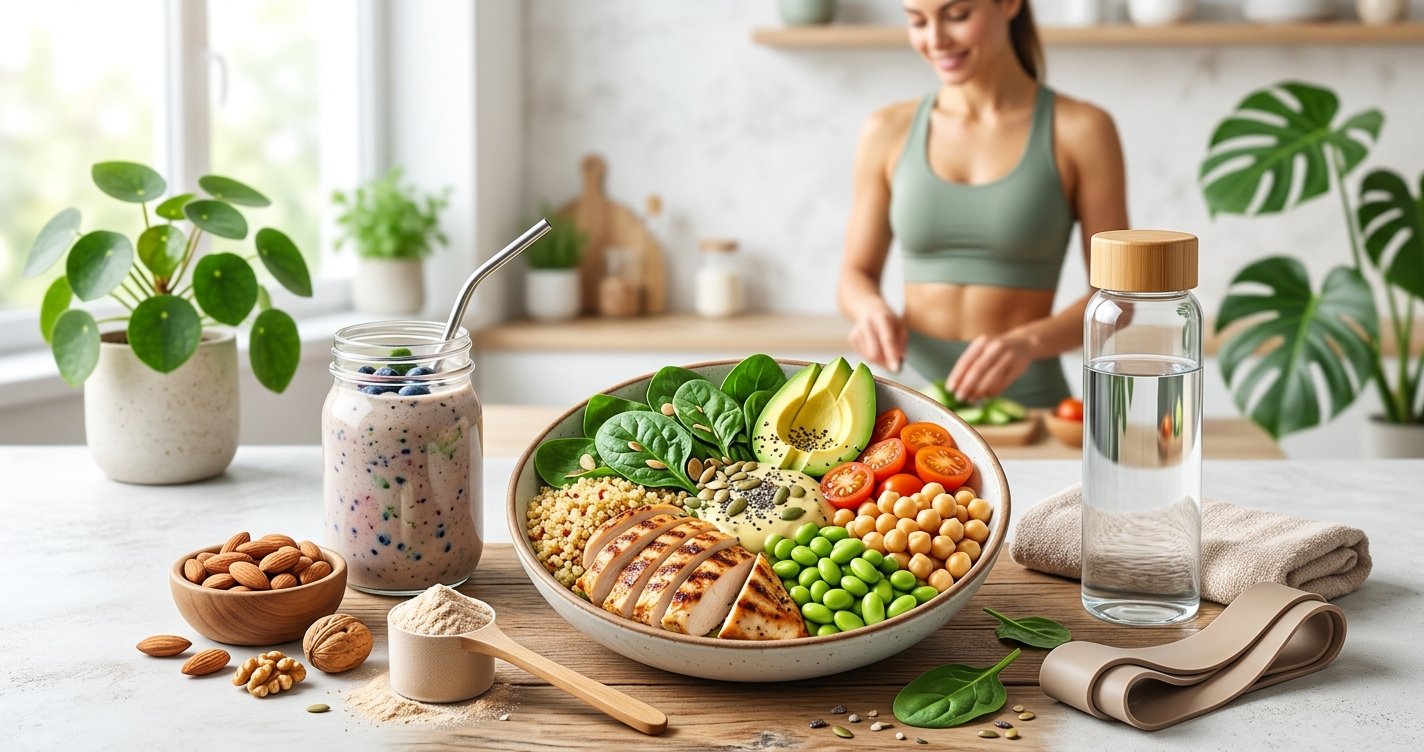
- Smart Snacking: Instead of carb-heavy snacks, opt for protein-rich options like a handful of almonds, a scoop of protein powder mixed with water/milk, hard-boiled eggs, or a small container of Greek yogurt.
- Lean Protein Sources are Your Friends: Chicken breast, turkey, lean beef, fish (salmon, tuna, cod), eggs, low-fat dairy, lentils, beans, edamame, and tofu are all excellent choices.
- Don't Fear the Powder: Protein powders (whey, casein, soy, pea, rice) are convenient and effective for topping up your intake, especially post-workout or when you're short on time. They're not just for bodybuilders!
- Be Mindful of Cooking Methods: Grilling, baking, steaming, or stir-frying are healthier ways to prepare protein sources compared to deep-frying.
Busting Common Protein Myths (Don't Believe Everything You Hear!)
Protein often gets a bad rap due to lingering myths. Let's set the record straight:
- Myth: Too Much Protein Damages Your Kidneys. This is a persistent myth. For healthy individuals with normal kidney function, there's no evidence that a high protein intake causes kidney damage. If you have pre-existing kidney disease, consult your doctor.
- Myth: Protein Makes You Bulky (Especially for Women). Building significant muscle mass requires intense training, a specific calorie surplus, and often specific hormonal profiles. Eating more protein will primarily support lean muscle preservation and development, leading to a toned, strong physique, not an overly bulky one.
- Myth: Only Athletes Need High Protein. While athletes certainly benefit, everyone, especially those focusing on fat loss, can gain from higher protein intake due to its satiety, thermic effect, and muscle-preserving properties. It's a fundamental nutrient for overall health and body composition.
- Myth: All Protein Sources Are Equal. While all protein contains amino acids, the quality and completeness vary. Animal proteins are 'complete' (containing all essential amino acids), while most plant proteins are 'incomplete' but can be combined to form complete profiles. Aim for a variety of sources.
Putting It Into Practice: A Day of High-Protein Eating (Sample Meal Plan)
Here’s a practical example of how you can structure a high-protein day to support your fat loss goals:
- Breakfast (approx. 25-30g protein): Greek yogurt (1 cup) with a scoop of protein powder mixed in, topped with berries and a sprinkle of nuts, OR 3 scrambled eggs with spinach and a slice of whole-wheat toast.
- Mid-Morning Snack (approx. 15-20g protein): Cottage cheese (1/2 cup) with sliced cucumber, OR a small handful of almonds and a hard-boiled egg.
- Lunch (approx. 30-40g protein): Large salad with 4-5 oz grilled chicken breast or canned tuna, plenty of non-starchy vegetables, and a light vinaigrette, OR a lentil soup with a side of mixed greens.
- Mid-Afternoon Snack (approx. 15-20g protein): Protein shake (1 scoop protein powder with water/unsweetened almond milk), OR a small block of firm tofu.
- Dinner (approx. 35-50g protein): 5-6 oz baked salmon or lean steak with a generous serving of roasted broccoli and quinoa, OR a hearty chili made with lean ground turkey and beans.
Remember, these are just examples. The key is to consistently include a significant protein source in each meal and snack. Meal prepping can be a game-changer here – cook a batch of chicken or hard-boiled eggs at the start of the week for quick additions to your meals.
Conclusion: Embrace the Protein Power-Up for Lasting Results
Navigating the world of fat loss can feel overwhelming, but by understanding and harnessing the power of protein, you've unlocked a truly effective and sustainable strategy. Protein isn't just a trend; it's a fundamental nutrient that supports satiety, boosts metabolism, and protects your hard-earned muscle, all crucial elements for achieving and maintaining your ideal body composition.
So, instead of just cutting calories, try prioritizing protein. Start by aiming for those 1.6-2.2 grams per kilogram of body weight, spread throughout your day. Experiment with different protein sources, find what you enjoy, and make it a consistent part of your lifestyle. You’ll not only feel fuller and more energized, but you'll be building a stronger, leaner, and more resilient you, one delicious, protein-packed meal at a time. Your body will thank you!