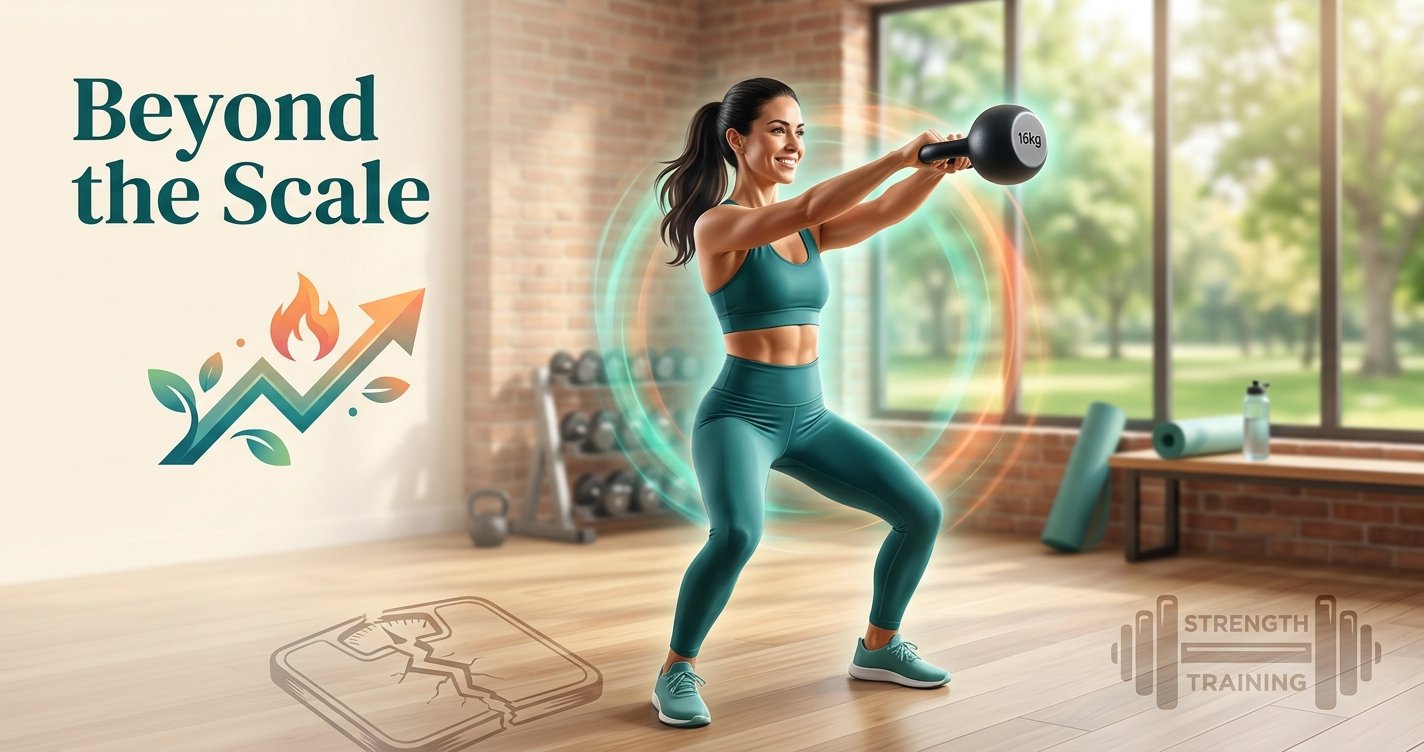
When you picture "fat loss," what comes to mind? For many, it's endless hours on the treadmill, restrictive diets, and a relentless focus on the number on the scale. While diet and cardio certainly play their part, there's a powerful, often overlooked hero in the fat loss journey: strength training. Forget the myth that lifting weights is just for bodybuilders. For anyone looking to shed fat, build a stronger, healthier body, and achieve truly sustainable results, strength training is your secret weapon. Let's dive deep into why.
The Science-Backed Benefits of Lifting for Lasting Fat Loss
Strength training isn't just about building bigger muscles; it's a metabolic game-changer that directly impacts your body's ability to burn fat, even at rest. Here's how: this excellent wellness product
Boosting Your Metabolism: The Afterburn Effect (EPOC)
Ever feel a satisfying burn long after your last set? That's the "afterburn effect" in action, scientifically known as Excess Post-exercise Oxygen Consumption (EPOC). Unlike steady-state cardio, which burns calories primarily during the activity, intense strength training demands a significant amount of energy for your body to recover, repair muscle tissue, and return to its pre-exercise state. This means your body continues to burn calories at an elevated rate for hours, sometimes even a full day, after your workout. It's like a metabolic bonus!
Building Muscle, Burning More Calories at Rest
Muscle tissue is metabolically active, meaning it requires more energy (calories) to maintain than fat tissue. The more muscle you have, the higher your Basal Metabolic Rate (BMR) becomes. Imagine your body as a car: a car with a bigger engine (more muscle) burns more fuel (calories) even when idling. By consistently engaging in strength training, you're building and preserving this calorie-burning muscle, turning your body into a more efficient fat-burning machine 24/7, not just when you're working out.
Reshaping Your Body: The Body Recomposition Advantage
Focusing solely on the scale can be misleading. When you combine strength training with a calorie-controlled diet, you're not just losing weight; you're actively changing your body composition. This means losing fat while simultaneously building or maintaining muscle. The result? A leaner, firmer, and more toned physique that looks and feels stronger, even if the number on the scale doesn't dramatically drop. This process, known as body recomposition, is the ultimate goal for many, providing a healthier and more aesthetic outcome than simple weight loss.
Getting Started: Your Strength Training Blueprint for Success
Ready to pick up some weights? Here’s a friendly guide to get you started on your fat loss journey with strength training.
Choosing the Right Exercises: Compound vs. Isolation
- Compound Exercises: These are your powerhouses! They work multiple muscle groups and joints simultaneously, making them incredibly efficient for calorie burn and muscle building. Think squats, deadlifts, bench presses, overhead presses, and rows. Prioritize these.
- Isolation Exercises: These target a single muscle group or joint (e.g., bicep curls, tricep extensions, lateral raises). While useful for specific muscle development, they are less metabolically demanding than compound movements. Use them to complement your compound lifts.
Reps, Sets, and Progressive Overload
- Reps & Sets: For fat loss and muscle growth, aim for 3-4 sets of 8-12 repetitions for most exercises. As you get stronger, you might explore lower reps with heavier weight (e.g., 5-8 reps) for strength focus, or higher reps (12-15+) for endurance, but the 8-12 range is a sweet spot for hypertrophy (muscle growth).
- Progressive Overload: This is the golden rule of strength training. To keep getting results, you must continually challenge your muscles. This means gradually increasing the weight, doing more reps, adding more sets, improving your form, or decreasing rest times over time. Your muscles adapt quickly, so keep them guessing!
Frequency and Consistency: How Often to Train
For optimal results, aim for 2-4 strength training sessions per week. This allows enough frequency to stimulate muscle growth and fat loss while providing adequate time for recovery. Consistency is far more important than intensity in the long run. Find a schedule you can stick to, even if it means starting with just two full-body workouts a week.
Nutrition: Fueling Your Strength Training for Optimal Fat Loss
You can't out-train a poor diet. Nutrition is paramount for fat loss and muscle gain.
Protein Power: The Muscle-Building, Satiating Macro
Protein is your best friend when it comes to fat loss. It’s essential for repairing and building muscle tissue after your workouts, helping you retain that metabolically active muscle. Furthermore, protein is incredibly satiating, helping you feel fuller for longer and reducing cravings. Aim for around 0.7-1 gram of protein per pound of body weight per day.
Carbohydrates and Fats: Energy for Performance and Health
Don't fear carbs or healthy fats! Carbohydrates provide the energy needed to power your intense workouts and replenish glycogen stores. Fats are crucial for hormone production and overall health. Focus on whole, unprocessed sources: complex carbs like oats, sweet potatoes, and whole grains; and healthy fats from avocados, nuts, seeds, and olive oil. Adjust your intake of these macros based on your activity level and individual needs, ensuring you're in a slight calorie deficit for fat loss.
Common Myths and How to Overcome Them
Let's bust some common misconceptions that might be holding you back.
"I Don't Want to Get Bulky"
This is perhaps the most common fear, especially among women. Rest assured, getting "bulky" requires an extreme level of dedication, specific training, and often, a caloric surplus specifically designed for significant muscle mass gain. Most women lack the testosterone levels to naturally build huge muscles. Instead, you'll develop a lean, strong, and toned physique.
"Cardio is Better for Fat Loss"
While cardio burns calories during the activity, strength training offers a superior metabolic boost post-workout and helps build muscle, which burns more calories at rest. For optimal fat loss, a combination of both is often best: prioritize strength training, and add cardio for cardiovascular health and additional calorie expenditure if desired.
Sustainable Success: Beyond the Gym
Strength training is a powerful tool, but it's part of a larger lifestyle for sustainable fat loss.
Listen to Your Body and Prioritize Recovery
Recovery is where muscles grow stronger. Ensure you're getting 7-9 hours of quality sleep per night. Incorporate rest days into your routine. Listen to your body; if you're feeling overly fatigued or experience persistent pain, take an extra rest day or reduce your intensity. Overtraining can hinder progress and lead to injury.
Celebrate Non-Scale Victories
The scale doesn't tell the whole story. As you strength train, you might notice your clothes fitting better, increased energy levels, improved mood, greater strength in daily tasks, and a more confident posture. These "non-scale victories" are incredibly motivating and often more indicative of true progress than a fluctuating number on the scale.
Embrace the Strength, Embrace the Change
Strength training is more than just a workout; it's an investment in your long-term health, vitality, and confidence. It empowers you to build a stronger body, a more efficient metabolism, and a resilient mindset. So, step away from the endless cardio, pick up those weights, and discover the incredible power of strength training to transform your body and achieve truly sustainable fat loss. Your stronger, leaner self is waiting!