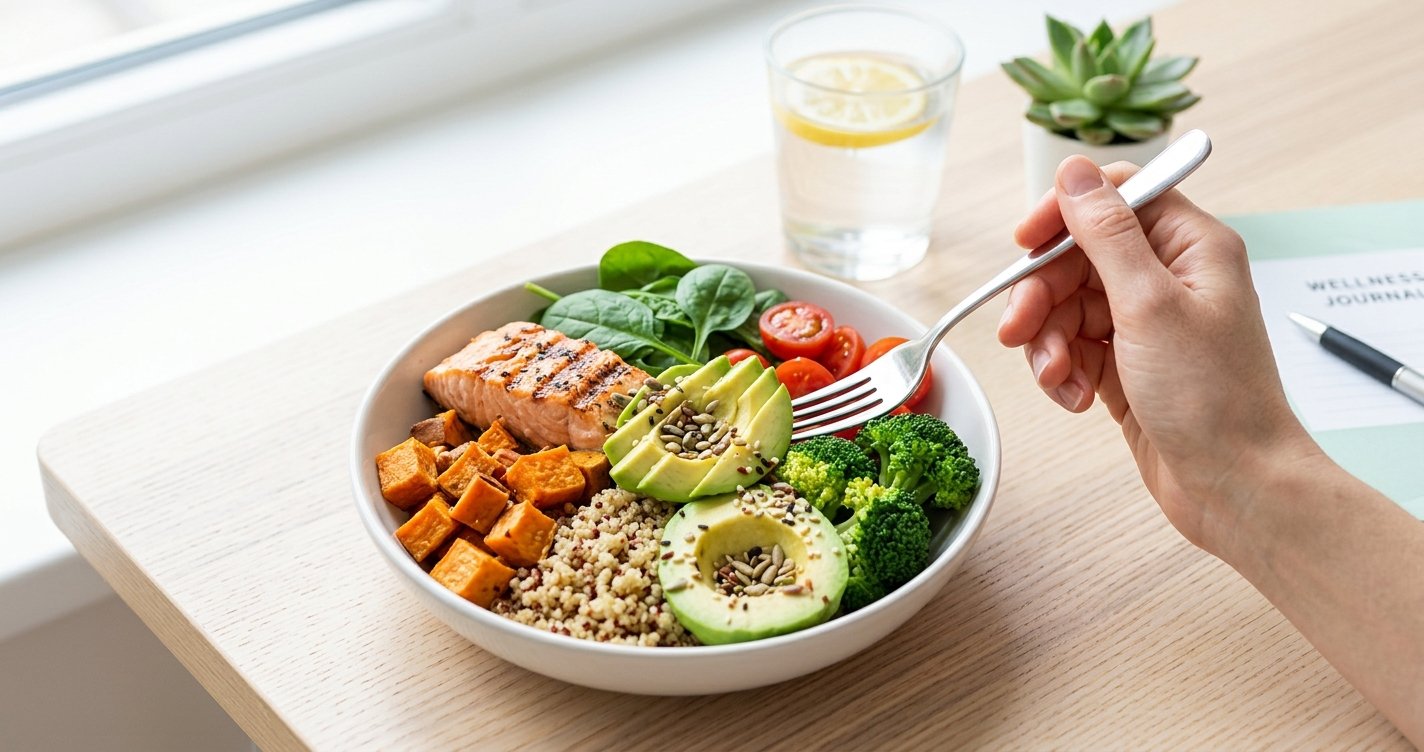
Introduction: The Secret to Sustainable Fat Loss Isn't a Secret Anymore!
Are you tired of the endless cycle of restrictive diets, quick fixes, and disappointing results when it comes to fat loss? You're not alone. Many people embark on a fat loss journey with enthusiasm, only to find themselves frustrated and demotivated when the initial progress stalls or the weight creeps back on. But what if we told you there's a more sustainable, evidence-based approach that focuses on building lasting habits rather than chasing fleeting numbers? The truth is, achieving and maintaining healthy fat loss comes down to two powerful, interconnected principles: a smart, sustainable calorie deficit and a balanced approach to macronutrients. This isn't about deprivation; it's about empowerment, understanding your body, and making informed choices that fuel your success for the long haul. Let's dive in and unlock the magic together!
The Foundation: Understanding the Calorie Deficit for Fat Loss
At its core, fat loss is a game of energy balance. To lose fat, your body needs to burn more calories than it consumes. This creates what's known as a 'calorie deficit.' Think of your body like a car: if you want to use up the fuel in the tank (your stored fat), you need to put less fuel in than you're burning through driving. this excellent wellness product
What is a Calorie Deficit?
Simply put, a calorie deficit means eating fewer calories than your body uses for its daily functions and activities. When this happens, your body turns to its stored energy reserves – primarily fat – to make up the difference. It sounds straightforward, but the key is finding a deficit that is effective without being so drastic that it's unsustainable or detrimental to your health.
Why Sustainability Matters More Than Speed
While a large calorie deficit might lead to rapid initial weight loss, it often comes with unwanted side effects like extreme hunger, fatigue, nutrient deficiencies, and muscle loss. More importantly, it's incredibly difficult to maintain, leading to burnout and a higher chance of regaining the lost weight (and sometimes even more!). A sustainable deficit, typically 300-500 calories below your maintenance level, allows for steady, manageable fat loss (around 1-2 pounds per week) without feeling deprived or sacrificing your energy levels. This slower, steadier approach is the secret to making fat loss a permanent lifestyle change.
How to Calculate Your Starting Point
To find your ideal calorie deficit, you first need to estimate your Total Daily Energy Expenditure (TDEE) – the total number of calories your body burns in a day. You can use various online TDEE calculators that factor in your age, sex, weight, height, and activity level. Once you have your estimated TDEE, subtract 300-500 calories to set your daily calorie target for fat loss. Remember, this is an estimate, and you'll need to listen to your body and adjust as you go. Consistency is far more important than perfection!
Macronutrients: The Building Blocks of Your Body (and Your Fat Loss!)
While calories provide the energy, macronutrients – protein, carbohydrates, and fats – are the specific components of your food that provide this energy and play crucial roles in your body's functions, including fat loss. Understanding them is like having a superpower for your diet!
Protein: Your Fat Loss Powerhouse
Protein is arguably the most important macronutrient for fat loss. It's essential for building and repairing tissues, including your precious muscle mass. When you're in a calorie deficit, adequate protein intake helps preserve muscle, ensuring that the weight you lose is primarily fat. Protein also keeps you feeling fuller for longer, reducing cravings and overeating, and has a higher 'thermic effect' – meaning your body burns more calories digesting protein than it does fats or carbs.
- Benefits of Protein for Fat Loss:
- Increases satiety and reduces hunger.
- Preserves muscle mass during calorie restriction.
- Boosts metabolism due to a higher thermic effect.
- Supports recovery from exercise.
Carbohydrates: Fueling Your Body Smartly
Carbohydrates are your body's primary source of energy, fueling everything from your brain function to your workouts. The key is choosing the right types of carbohydrates. Focus on complex carbohydrates like whole grains, fruits, and vegetables, which are rich in fiber. Fiber slows digestion, providing a steady release of energy, preventing blood sugar spikes, and keeping you feeling full.
- Tips for Smart Carb Choices:
- Prioritize whole, unprocessed carbs over refined sugars and white flour.
- Timing can matter: consider consuming more carbs around your workouts for energy.
- Don't fear carbs; they are vital for energy and mood, especially when active.
Fats: Essential for Health and Hormones
Despite past misconceptions, dietary fats are absolutely essential for your health, hormone production, nutrient absorption, and even satiety. Healthy fats, found in avocados, nuts, seeds, olive oil, and fatty fish, are crucial for brain function, cell health, and absorbing fat-soluble vitamins (A, D, E, K). While fats are calorie-dense, incorporating them in moderation can help you feel satisfied and prevent overeating.
- Focus on Healthy Fats:
- Include sources like avocados, nuts, seeds, fatty fish, and olive oil.
- Avoid trans fats and limit saturated fats.
- Fats contribute to satiety and overall well-being.
Striking the Right Balance: Macronutrient Ratios for Fat Loss
Now that you understand what each macronutrient does, how do you put it all together? The truth is, there's no single 'perfect' macronutrient ratio for everyone, as individual needs vary based on activity level, body composition, and personal preferences. However, some general guidelines can help you get started.
Is There a "Perfect" Ratio?
While there isn't a one-size-fits-all answer, most successful fat loss diets emphasize a higher protein intake, moderate carbohydrates, and moderate healthy fats. A common starting point might look something like: 30-40% protein, 30-40% carbohydrates, and 20-30% fats. The most important thing is that the ratio helps you maintain your calorie deficit, provides adequate nutrients, and feels sustainable for you. Experiment and see what makes you feel best and helps you adhere to your plan.
Practical Tips for Balancing Your Macros
- Prioritize Protein: Aim for at least 0.7-1 gram of protein per pound of your target body weight daily. Distribute it evenly across your meals.
- Fill Up on Fiber: Load your plate with non-starchy vegetables at every meal. They're low in calories, high in nutrients, and incredibly filling.
- Smart Snacking: Choose snacks that combine protein and fiber (e.g., Greek yogurt with berries, apple slices with nut butter).
- Meal Planning: Planning your meals in advance can help ensure you hit your macro targets consistently.
- Listen to Your Body: Pay attention to how different ratios make you feel in terms of energy, hunger, and satisfaction. Adjust as needed.
Beyond the Numbers: Practical Strategies for Success
While calorie deficits and macronutrient balance are the scientific backbone of fat loss, true success lies in integrating these principles into a holistic, healthy lifestyle. It's not just about what you eat, but how you live.
Prioritize Whole Foods
Focus on nutrient-dense, unprocessed foods. Think lean proteins, colorful fruits and vegetables, whole grains, and healthy fats. These foods provide essential vitamins, minerals, and fiber, keeping you full and nourished, which makes adhering to a calorie deficit much easier than relying on empty calories from processed snacks.
Hydration is Key
Drinking plenty of water throughout the day is crucial. Water can help you feel full, support metabolism, and is essential for countless bodily functions. Sometimes, what feels like hunger is actually thirst!
The Importance of Sleep and Stress Management
Lack of sleep and chronic stress can wreak havoc on your fat loss efforts. They disrupt hormones like ghrelin (hunger hormone) and leptin (satiety hormone), making you hungrier and more prone to cravings. Prioritize 7-9 hours of quality sleep and find healthy ways to manage stress, whether through meditation, hobbies, or spending time in nature.
Incorporate Movement (Don't Just Rely on Diet!)
While diet is paramount for fat loss, incorporating regular physical activity amplifies your results. Strength training helps build and preserve muscle mass, which boosts your metabolism. Cardio exercises improve cardiovascular health and burn additional calories. Find activities you enjoy, whether it's walking, dancing, lifting weights, or cycling, and make them a consistent part of your week.
Mindful Eating Practices
Slow down when you eat. Pay attention to your body's hunger and fullness cues. Avoid distractions like screens. Mindful eating helps you savor your food, recognize when you're truly satisfied, and prevent overeating, even within your calorie and macro targets.
Overcoming Challenges and Staying Motivated
The journey to lasting fat loss isn't always linear. There will be good days and challenging days. The key is how you navigate these moments.
Dealing with Plateaus
At some point, your body will adapt, and your progress might slow or stall – this is normal! When a plateau hits, don't despair. Re-evaluate your calorie intake, ensuring you're still in a deficit (your TDEE might have decreased as you've lost weight). Consider slightly increasing your activity level or making small adjustments to your macro ratios. Patience and consistency are your best allies here.
The Power of Patience and Consistency
Fat loss is a marathon, not a sprint. Celebrate small victories and focus on consistent, healthy habits rather than drastic, temporary changes. Every healthy choice you make, no matter how small, adds up over time.
Celebrate Non-Scale Victories
The scale doesn't tell the whole story. Pay attention to how your clothes fit, your energy levels, your strength in the gym, your mood, and your overall well-being. These 'non-scale victories' are powerful indicators of progress and can be incredibly motivating.
Conclusion: Your Path to Lasting Fat Loss Starts Today!
You now have the fundamental knowledge to embark on a truly sustainable fat loss journey. By understanding the power of a manageable calorie deficit and strategically balancing your macronutrients – especially prioritizing protein – you're setting yourself up for success. Remember, this isn't about perfection; it's about progress, consistency, and building healthy habits that you can maintain for life. Be kind to yourself, listen to your body, and celebrate every step forward. Your journey to a healthier, happier you begins with these informed choices. Are you ready to embrace the change and unlock your lasting fat loss success? Start small, stay consistent, and enjoy the incredible transformation!