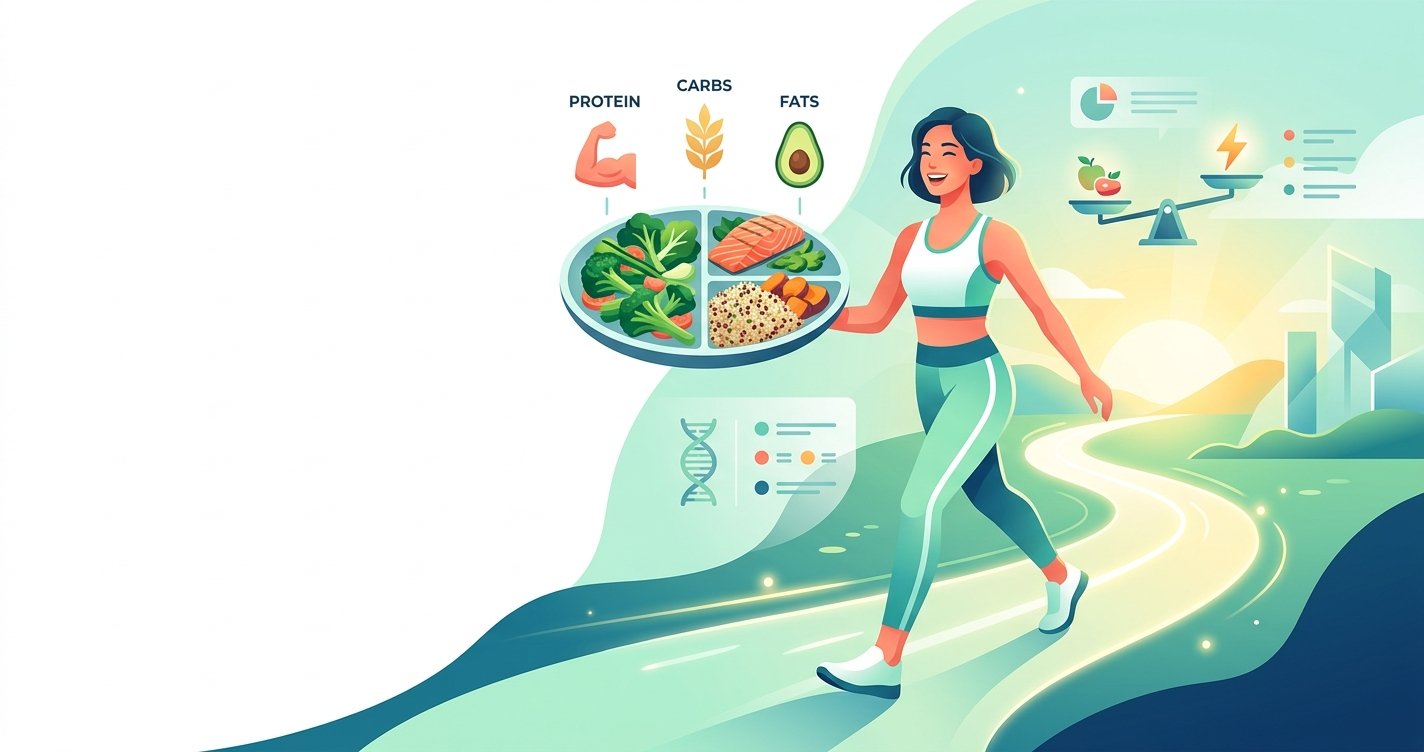
Are you tired of the endless cycle of fad diets, quick fixes, and disappointing results when it comes to fat loss? You're not alone. Many people get caught in the trap of restrictive eating or extreme workout routines that are simply unsustainable in the long run. The good news? Achieving lasting fat loss isn't about deprivation; it's about understanding your body and making smart, evidence-based choices. This guide will cut through the noise and equip you with the fundamental knowledge of calorie deficit and macronutrients – the two most powerful tools for sustainable and healthy fat loss.
The Core Principle: Understanding the Calorie Deficit
At its heart, fat loss boils down to one undeniable scientific truth: you must consume fewer calories than your body expends. This is known as creating a calorie deficit. Think of your body as a car. If you put less fuel in than you burn during a drive, the car eventually runs out. Similarly, if you consistently provide your body with less energy (calories) than it needs to function and move, it will start to tap into its stored energy reserves – primarily body fat – for fuel. this excellent wellness product
What is a Calorie Deficit?
A calorie deficit means your 'calories out' (Total Daily Energy Expenditure, or TDEE) are greater than your 'calories in' (food and drink intake). Your TDEE includes:
- Basal Metabolic Rate (BMR): The calories your body burns at rest to keep vital functions going (breathing, circulation, brain function).
- Thermic Effect of Food (TEF): Calories burned digesting and absorbing food.
- Non-Exercise Activity Thermogenesis (NEAT): Calories burned through everyday movements not classified as exercise (walking, fidgeting, cleaning).
- Exercise Activity Thermogenesis (EAT): Calories burned during structured workouts.
For sustainable fat loss, a moderate deficit is key – typically 250-500 calories below your TDEE. This allows for steady progress without feeling overly deprived, preserving muscle mass, and maintaining energy levels.
How to Estimate Your Calorie Needs
Estimating your TDEE is your first step. While online calculators (like those based on the Mifflin-St Jeor or Harris-Benedict equations) can provide a good starting point, remember they are estimates. You'll need to monitor your progress and adjust accordingly.
Here’s a simple approach:
- Calculate your BMR: Use a reliable online calculator by inputting your age, gender, height, and weight.
- Multiply by an activity factor: The calculator will usually do this, adjusting for how active you are (sedentary, lightly active, moderately active, very active). This gives you your TDEE.
- Subtract for a deficit: Once you have your estimated TDEE, subtract 250-500 calories to create your target daily intake for fat loss.
Start with this number, track your intake and body weight for 2-3 weeks, and adjust as needed. Patience and consistency are your best friends here!
Beyond Calories: The Power of Macronutrients
While a calorie deficit is non-negotiable for fat loss, what you eat within that deficit significantly impacts your results, energy levels, satiety, and overall health. This is where macronutrients come in – protein, carbohydrates, and fats. They are the three essential nutrients your body needs in large amounts to provide energy and maintain structure and function.
Protein: Your Fat Loss Friend
Protein is arguably the most crucial macronutrient for fat loss. Why?
- Satiety: Protein is incredibly filling, helping you feel fuller for longer and reducing cravings.
- Muscle Preservation: When in a calorie deficit, your body can break down muscle for energy. Adequate protein intake helps preserve precious muscle mass, which is vital for maintaining a healthy metabolism.
- Higher Thermic Effect: Protein requires more energy to digest and metabolize than carbs or fats, meaning you burn more calories just by eating it!
Recommendation: Aim for 1.6 to 2.2 grams of protein per kilogram of body weight per day. Good sources include lean meats, poultry, fish, eggs, dairy, legumes, and protein supplements.
Carbohydrates: Fueling Your Body Smartly
Carbohydrates often get a bad rap, but they are not the enemy! They are your body's primary source of energy, fueling your brain, muscles, and workouts. The key is choosing the right types of carbs.
- Complex Carbs: Found in whole grains, fruits, and vegetables, these are rich in fiber, which aids digestion, promotes satiety, and provides sustained energy.
- Simple Carbs: Found in sugary drinks, candies, and refined grains, these provide quick energy but often lead to energy crashes and contribute less to satiety.
Recommendation: Prioritize complex carbohydrates, especially around your workouts, to maintain energy levels. Adjust intake based on your activity level; highly active individuals will need more. Aim for 30-40% of your daily calories from quality carb sources.
Fats: Essential for Health and Satiety
Dietary fats are vital for hormone production, nutrient absorption (especially fat-soluble vitamins A, D, E, K), and overall cell function. Like protein, they also contribute significantly to satiety, helping you feel satisfied after meals.
However, fats are the most calorie-dense macronutrient (9 calories per gram, compared to 4 for protein and carbs), so moderation and choosing healthy sources are crucial for fat loss.
Recommendation: Focus on unsaturated fats (monounsaturated and polyunsaturated) found in avocados, nuts, seeds, olive oil, and fatty fish. Limit saturated and trans fats. Aim for 20-30% of your daily calories from healthy fat sources.
Practical Strategies for Implementing Your Plan
Knowing the science is one thing; putting it into practice is another. Here’s how to make your calorie deficit and macronutrient goals a reality:
Meal Planning and Preparation
This is where consistency is built. By planning your meals and snacks in advance, you take the guesswork out of eating and significantly reduce the likelihood of making impulsive, unhealthy choices.
- Batch Cooking: Dedicate a few hours each week to cook larger portions of protein, grains, and vegetables that you can mix and match throughout the week.
- Portion Control: Use a food scale and measuring cups to accurately portion out your meals, especially when you're starting. This helps you stay within your calorie and macro targets.
- Smart Snacking: Plan for protein-rich snacks like Greek yogurt, a handful of almonds, or a piece of fruit with nut butter to keep hunger at bay between meals.
Tracking and Adjusting
To truly know if you're hitting your targets and making progress, tracking is invaluable. Use a reliable food tracking app to log everything you eat and drink. This provides objective data and helps you identify areas for improvement.
Monitor your progress consistently:
- Scale Weight: Weigh yourself 2-3 times a week, first thing in the morning, and take an average. Don't obsess over daily fluctuations.
- Body Measurements: Measure your waist, hips, and other areas every 2-4 weeks.
- Progress Photos: Take photos every month. Sometimes the scale doesn't move much, but your body composition is changing.
- How Your Clothes Fit: A simple, often overlooked indicator of progress.
If you're not seeing consistent progress (e.g., 0.5-1% of body weight lost per week), you may need to slightly decrease your calorie intake or increase your activity level. If you feel excessively hungry or low on energy, consider a slight increase.
The Lifestyle Connection: Beyond Just Food
While nutrition is paramount, sustainable fat loss is a holistic endeavor. Your lifestyle choices play a significant role in your body's ability to burn fat effectively.
The Role of Exercise
Exercise complements your nutrition efforts by increasing your calorie expenditure and improving body composition.
- Strength Training: Building and maintaining muscle mass is crucial. Muscle is metabolically active, meaning it burns more calories at rest than fat. Aim for 2-4 strength training sessions per week.
- Cardiovascular Exercise: Activities like brisk walking, jogging, cycling, or swimming directly burn calories and improve heart health. Incorporate 150-300 minutes of moderate-intensity cardio per week.
- NEAT (Non-Exercise Activity Thermogenesis): Simply moving more throughout your day – taking the stairs, parking further away, standing more – can significantly increase your daily calorie burn.
Sleep and Stress Management
Often overlooked, sleep and stress profoundly impact your hormones, which in turn affect fat storage and hunger.
- Sleep: Lack of sleep can disrupt hunger-regulating hormones (ghrelin and leptin), leading to increased appetite and cravings for unhealthy foods. Aim for 7-9 hours of quality sleep per night.
- Stress: Chronic stress elevates cortisol levels, a hormone that can promote fat storage, especially around the abdomen. Incorporate stress-reduction techniques like meditation, yoga, or spending time in nature.
Common Pitfalls to Avoid
Even with the best intentions, it's easy to stumble. Be mindful of these common mistakes:
- Extreme Calorie Restriction: Going too low too fast can harm your metabolism, lead to muscle loss, nutrient deficiencies, and is rarely sustainable.
- Ignoring Hunger/Satiety Cues: Learn to listen to your body. Eat when you're truly hungry, and stop when you're comfortably full.
- Expecting Overnight Results: Fat loss is a marathon, not a sprint. Celebrate small victories and understand that plateaus are normal.
- Cutting Out Entire Food Groups: Unless medically necessary, eliminating entire food groups (like all carbs) is often unnecessary and can lead to nutrient deficiencies and an unsustainable approach.
- Falling for Fad Diets: If it sounds too good to be true, it probably is. Stick to evidence-based principles.
Your Journey to Sustainable Fat Loss Starts Now
Achieving sustainable fat loss isn't about chasing the latest trend; it's about building a foundational understanding of how your body works. By consistently creating a moderate calorie deficit and prioritizing a balanced intake of protein, healthy carbohydrates, and essential fats, you're setting yourself up for success.
Remember, this is a journey of learning, adjustment, and self-compassion. Be patient with yourself, celebrate your progress, and focus on building habits that will serve you not just for a few weeks, but for a lifetime of health and vitality. You have the knowledge; now it's time to put it into practice!