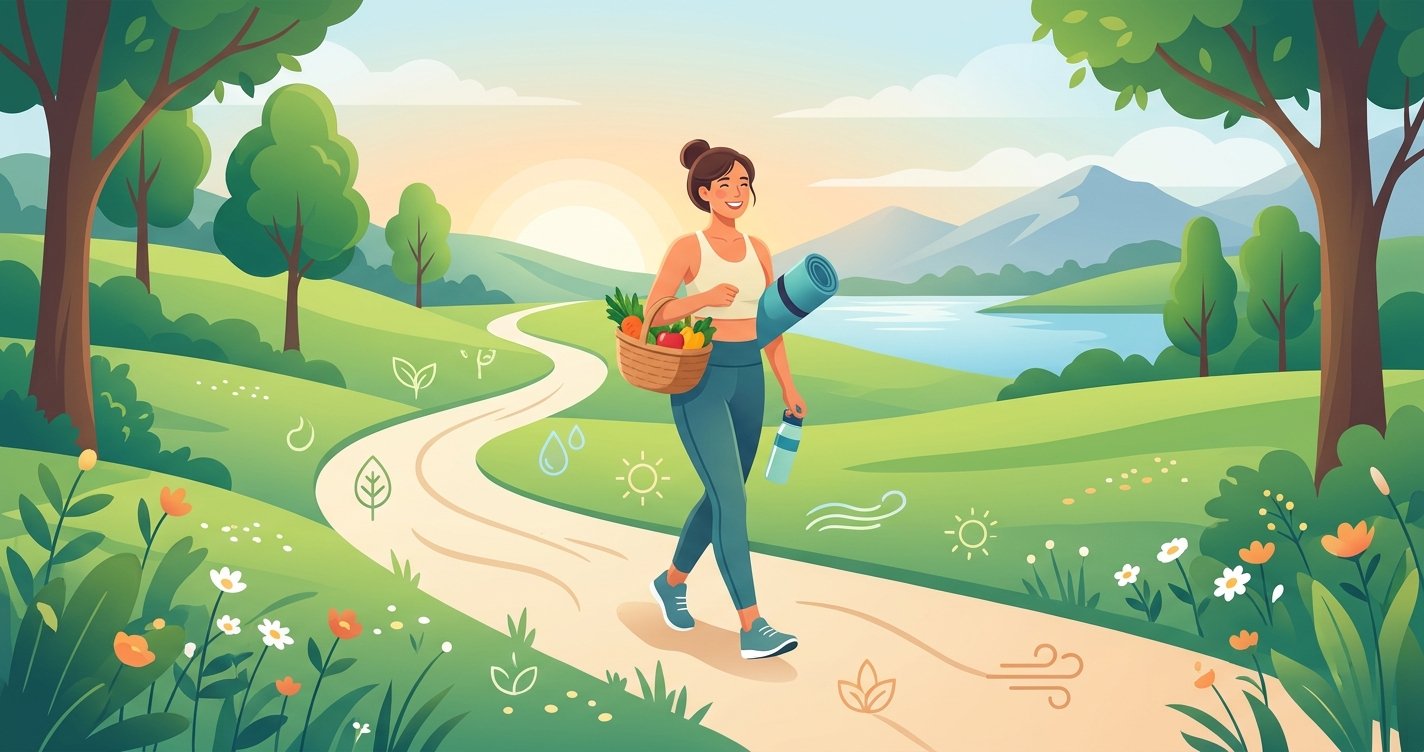
Sustainable Fat Loss: Ditch Extreme Diets, Embrace Lasting Health
Are you tired of the endless cycle of restrictive diets, intense hunger, and the inevitable rebound weight gain? Many of us have been there, chasing quick fixes that promise dramatic results but ultimately leave us feeling frustrated and defeated. The good news? There's a better, healthier, and far more effective path to fat loss – one that doesn't involve deprivation or misery. It's called sustainable fat loss, and it's all about making small, consistent changes that you can stick with for life.
In this guide, we're going to explore how you can achieve your fat loss goals without resorting to extreme measures. We'll dive into evidence-based strategies that nourish your body, boost your metabolism, and foster a healthy relationship with food. Get ready to say goodbye to the diet roller coaster and hello to lasting health and confidence! this excellent wellness product
Why Extreme Diets Fail (And Why Sustainability Wins)
Before we dive into the 'how,' let's understand 'why' so many popular diets fall short in the long run. Extreme diets, characterized by severe calorie restriction, elimination of entire food groups, or rigid meal plans, often lead to:
-
Metabolic Adaptation:
When you drastically cut calories, your body perceives it as a famine. It slows down your metabolism to conserve energy, making fat loss harder and causing you to feel constantly cold and fatigued.
-
Nutrient Deficiencies:
Cutting out whole food groups can lead to a lack of essential vitamins, minerals, and macronutrients, impacting your energy levels, immune system, and overall health.
-
Psychological Burnout:
The constant hunger, cravings, and social isolation from restrictive eating can be mentally exhausting, leading to emotional eating and eventually, giving up.
-
Rebound Weight Gain:
Once you stop the extreme diet (which most people inevitably do), your slowed metabolism and increased hunger often lead to gaining back more weight than you lost, often in the form of fat.
Sustainable fat loss, on the other hand, focuses on creating a slight, manageable calorie deficit through balanced nutrition and increased activity. This approach minimizes metabolic slowdown, ensures adequate nutrient intake, and builds habits that are enjoyable and maintainable, leading to gradual, lasting results.
The Power of Protein: Your Satiety Superstar
If there's one macronutrient that deserves special attention for fat loss, it's protein. Here's why:
-
Increased Satiety:
Protein is incredibly filling. Eating enough protein helps you feel fuller for longer, reducing overall calorie intake and curbing those pesky cravings.
-
Muscle Preservation:
When you're in a calorie deficit, your body can break down muscle for energy. Adequate protein intake helps preserve precious muscle mass, which is crucial for maintaining a healthy metabolism.
-
Higher Thermic Effect:
Your body uses more energy to digest and metabolize protein compared to carbohydrates or fats. This means you burn more calories just by eating protein-rich foods!
Aim for a protein source at every meal. Think lean meats, poultry, fish, eggs, dairy (Greek yogurt, cottage cheese), legumes, and tofu. A good general guideline is to consume around 0.7-1 gram of protein per pound of your target body weight.
Fiber: Your Secret Weapon for Fullness and Gut Health
Often overlooked, dietary fiber is a game-changer for sustainable fat loss. Fiber is the indigestible part of plant foods that plays a crucial role in your digestive health and satiety:
-
Adds Volume Without Calories:
Fiber-rich foods tend to be lower in calories but take up more space in your stomach, helping you feel full and satisfied.
-
Slows Digestion:
It slows down the emptying of food from your stomach, leading to a more sustained release of energy and stable blood sugar levels, preventing energy crashes and subsequent cravings.
-
Supports Gut Health:
Many types of fiber act as prebiotics, feeding beneficial gut bacteria. A healthy gut microbiome is increasingly linked to weight management and overall well-being.
Load up on fruits, vegetables, whole grains (oats, quinoa, brown rice), beans, and lentils. These foods are packed with fiber, vitamins, and minerals, making them nutrient-dense powerhouses.
Smart Carb Choices & Healthy Fats: Fueling Your Body Right
Carbohydrates and fats have often been demonized in the diet world, but they are essential for your body's functions and overall health. The key is choosing the right kinds in appropriate amounts.
-
Complex Carbohydrates:
Focus on whole, unprocessed carbohydrates like fruits, vegetables, whole grains (oats, brown rice, quinoa, whole-wheat bread), and legumes. These provide sustained energy, fiber, and vital nutrients. Limit refined carbs like white bread, sugary drinks, and pastries, which offer little nutritional value and can spike blood sugar.
-
Healthy Fats:
Fats are crucial for hormone production, nutrient absorption, and satiety. Include sources of healthy fats like avocados, nuts, seeds, olive oil, and fatty fish (salmon, mackerel) in moderation. While healthy, fats are calorie-dense, so portion control is important.
A balanced plate typically includes a lean protein, plenty of non-starchy vegetables, a serving of complex carbohydrates, and a touch of healthy fats.
Strength Training: Build Muscle, Burn Fat
While cardiovascular exercise is great for heart health and burning calories, strength training is your secret weapon for transforming your body composition and boosting your metabolism. Here's why you shouldn't skip the weights:
-
Boosts Resting Metabolism:
Muscle tissue is metabolically active, meaning it burns more calories at rest than fat tissue. Building muscle increases your basal metabolic rate (BMR), helping you burn more calories even when you're not exercising.
-
Body Recomposition:
Strength training helps you lose fat while simultaneously building muscle, leading to a leaner, more toned physique even if the number on the scale doesn't change dramatically. You'll look and feel stronger!
-
Improved Bone Density & Functionality:
Beyond fat loss, strength training strengthens your bones, improves posture, and enhances overall functional fitness, making everyday tasks easier.
Aim for 2-4 strength training sessions per week, focusing on compound movements that work multiple muscle groups (squats, deadlifts, presses, rows). Don't be afraid to lift heavy – progressive overload is key to building muscle.
Beyond the Plate: Sleep, Stress, and Hydration
Fat loss isn't just about what you eat and how you move; it's a holistic process that involves your entire lifestyle.
-
Prioritize Quality Sleep:
Lack of sleep disrupts hunger-regulating hormones (ghrelin and leptin), leading to increased cravings for unhealthy foods and a higher likelihood of overeating. Aim for 7-9 hours of quality sleep per night.
-
Manage Stress Effectively:
Chronic stress elevates cortisol levels, a hormone that can promote fat storage, especially around the midsection. Find healthy ways to manage stress, such as meditation, yoga, spending time in nature, or engaging in hobbies you enjoy.
-
Stay Hydrated:
Drinking enough water is essential for optimal metabolic function. Sometimes, thirst can be mistaken for hunger, leading to unnecessary snacking. Keep a water bottle handy and sip throughout the day.
Mindful Eating & Patience: The Long Game
Sustainable fat loss isn't just about the mechanics; it's also about cultivating a healthy mindset.
-
Practice Mindful Eating:
Pay attention to your hunger and fullness cues. Eat slowly, savor each bite, and put away distractions. This helps you recognize when you're truly satisfied and prevents overeating.
-
Be Patient and Consistent:
Fat loss is a journey, not a race. There will be ups and downs, but consistency over time is what yields results. Don't get discouraged by slow progress; celebrate small victories and focus on building sustainable habits.
-
Embrace Flexibility:
Life happens! Don't let one off-plan meal or missed workout derail your entire progress. Get back on track with your next meal or workout. Flexibility prevents feelings of failure and keeps you motivated.
Your Journey to Lasting Health
Ditching extreme diets and embracing a sustainable approach to fat loss is one of the kindest and most effective things you can do for your body and mind. By focusing on nutrient-dense foods, prioritizing protein and fiber, incorporating strength training, and paying attention to your overall well-being, you're not just losing weight – you're building a foundation for lifelong health, energy, and confidence.
Remember, it's about progress, not perfection. Be patient with yourself, celebrate every step forward, and enjoy the journey of discovering a healthier, happier you. You've got this!