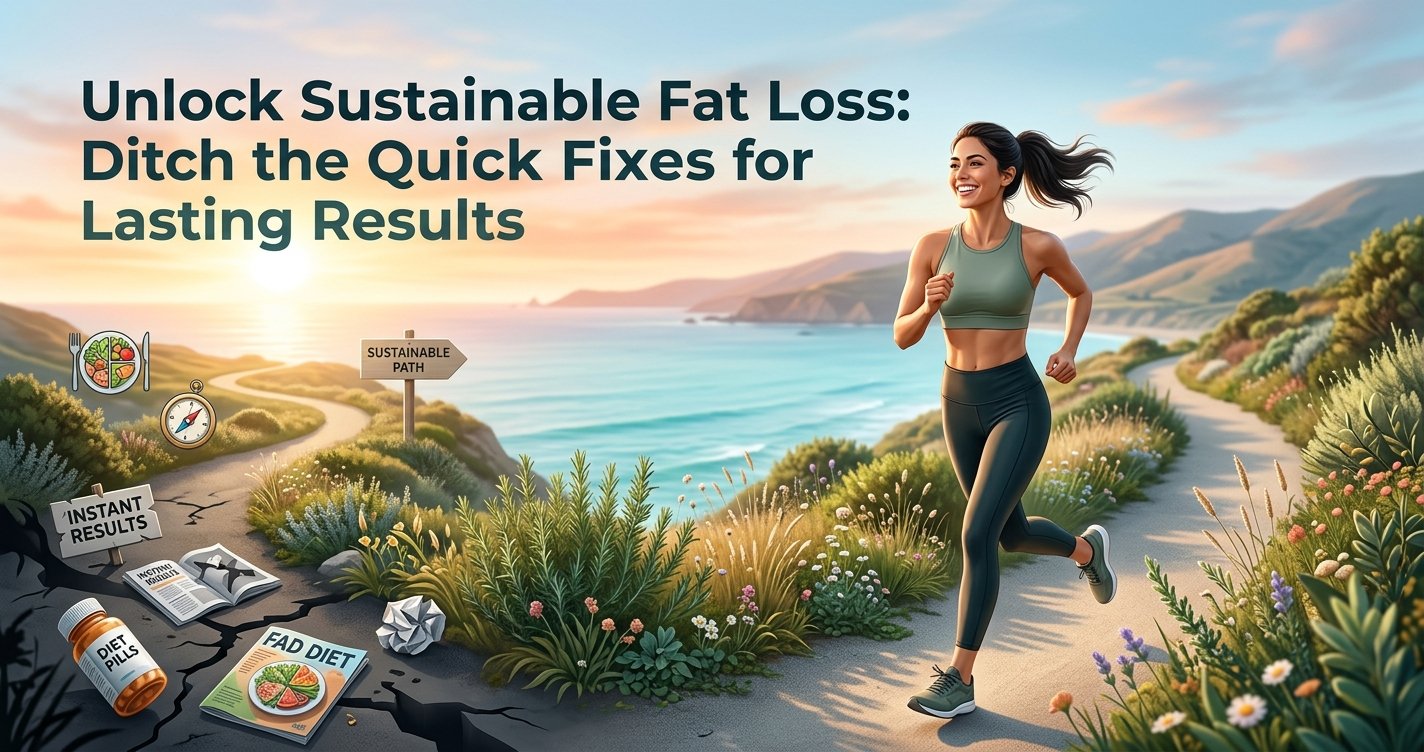
Tired of the Yo-Yo? Discover Sustainable Fat Loss Strategies That Work!
Have you ever started a new diet with immense enthusiasm, only to find yourself back where you began (or even heavier) a few months later? You're not alone. The world of fat loss is often riddled with tantalizing quick fixes, extreme diets, and impossible workout routines that promise rapid results but rarely deliver long-term success. These approaches can leave you feeling frustrated, defeated, and questioning your ability to achieve your health goals.
But what if there was a better way? A path that focuses not on deprivation, but on building healthy habits you can maintain for life? A strategy rooted in evidence, designed to help you not just lose weight, but truly transform your relationship with food, exercise, and your body? Welcome to the world of sustainable fat loss. This isn't about dieting; it's about making informed choices, nurturing your body, and creating a lifestyle that supports your goals without feeling like a constant battle. Let's dive into the core principles that will empower you to achieve lasting results and finally say goodbye to the yo-yo cycle. this excellent wellness product
Understanding the Core Principles of Sustainable Fat Loss
Before we get into the nitty-gritty of what to eat or how to move, it's crucial to grasp the foundational concepts that underpin any successful and sustainable fat loss journey. Without these, even the best nutrition and exercise plans can fall short.
Calorie Deficit: The Non-Negotiable Foundation
At its heart, fat loss comes down to a simple equation: you must consume fewer calories than your body burns. This is known as a calorie deficit. While various diets might package this principle differently (keto, low-carb, intermittent fasting), they all ultimately work by creating this deficit. Understanding your maintenance calories (the amount you need to stay the same weight) and then creating a moderate deficit (typically 300-500 calories below maintenance) is key. This moderate approach helps preserve muscle mass, prevents extreme hunger, and makes the process much more manageable and sustainable.
Patience and Consistency: Your Best Allies
Real, lasting fat loss is not a sprint; it's a marathon. You won't drop 20 pounds in a week, and that's a good thing! Rapid weight loss often comes from losing water and muscle, not just fat. Sustainable fat loss aims for a healthy rate of 1-2 pounds per week. This requires patience and, most importantly, consistency. Small, daily efforts compounded over weeks and months yield significant results. Don't let a bad day or a slip-up derail your entire journey. Get back on track at your next meal or workout; consistency isn't about perfection, it's about showing up most of the time.
Nutrition That Fuels Your Fat Loss Journey (Not Punishes It!)
Forget restrictive diets and bland meals. Sustainable fat loss nutrition is about nourishing your body with delicious, whole foods that keep you feeling full, energized, and satisfied.
Prioritize Protein: The Satiety and Muscle Protector
Protein is your best friend when it comes to fat loss. It's incredibly satiating, meaning it helps you feel fuller for longer, reducing the urge to snack unnecessarily. Furthermore, protein is essential for preserving and building muscle mass, which is crucial because muscle burns more calories at rest than fat does. Aim for a good source of protein at every meal: lean meats, poultry, fish, eggs, dairy, legumes, and plant-based protein powders are excellent choices.
Embrace Fiber-Rich Foods: Your Digestive Health and Fullness Friends
Like protein, fiber contributes significantly to satiety. Found in fruits, vegetables, whole grains, and legumes, fiber adds bulk to your meals without adding many calories, helping you feel full and satisfied. It also plays a vital role in digestive health and can help regulate blood sugar levels. Loading up on colorful vegetables and incorporating whole grains into your diet is a simple yet powerful strategy.
Smart Carbohydrates and Healthy Fats: Fuel, Not Foe
Carbohydrates and fats have often been demonized in diet culture, but they are essential macronutrients for overall health and energy. The key is to choose them wisely. Opt for complex carbohydrates like oats, brown rice, quinoa, and sweet potatoes, which provide sustained energy and fiber. For fats, focus on healthy sources like avocados, nuts, seeds, olive oil, and fatty fish (like salmon), which are crucial for hormone production, nutrient absorption, and satiety. Portion control is important here, as fats are calorie-dense.
Movement That Matters: Exercise for Lasting Results
Exercise isn't just about burning calories; it's about building a stronger, healthier, more resilient body that supports your fat loss goals and enhances your quality of life.
The Power of Strength Training: Build Muscle, Boost Metabolism
If there's one type of exercise you should prioritize for sustainable fat loss, it's strength training. Building muscle not only sculpts your physique but also increases your resting metabolic rate, meaning your body burns more calories even when you're not exercising. Aim for 2-4 strength training sessions per week, focusing on compound movements that work multiple muscle groups (squats, deadlifts, presses, rows).
Incorporate Cardio: For Heart Health and Calorie Burn
While strength training is king for metabolism, cardiovascular exercise plays a crucial role too. It improves heart health, boosts endurance, and contributes to your daily calorie expenditure, helping to create that all-important calorie deficit. Find activities you enjoy – whether it's brisk walking, jogging, cycling, swimming, or dancing – and aim for at least 150 minutes of moderate-intensity cardio or 75 minutes of vigorous-intensity cardio per week.
Move More Throughout Your Day: The NEAT Advantage
Beyond structured workouts, increasing your Non-Exercise Activity Thermogenesis (NEAT) can significantly impact your calorie burn. This includes all the movement you do outside of intentional exercise – walking to the store, taking the stairs, standing more, fidgeting, doing household chores. Look for opportunities to move more throughout your day; these small bursts of activity add up!
The Mindset Shift: Nurturing a Healthy Relationship with Food and Body
Sustainable fat loss isn't just physical; it's deeply psychological. Your mindset, sleep, and stress levels play a huge role in your success.
Master Your Sleep: The Unsung Hero of Fat Loss
Lack of sleep can wreak havoc on your fat loss efforts. It disrupts hormones that regulate hunger (ghrelin) and satiety (leptin), making you hungrier and more prone to cravings for high-calorie foods. It also impairs insulin sensitivity and can reduce your motivation for exercise. Aim for 7-9 hours of quality sleep per night to optimize your body's ability to burn fat and recover.
Manage Stress: Taming the Cortisol Beast
Chronic stress triggers the release of cortisol, a hormone that can promote fat storage, especially around the abdominal area. Stress can also lead to emotional eating and make it harder to stick to healthy habits. Incorporate stress-reduction techniques into your daily routine: meditation, yoga, deep breathing, spending time in nature, or engaging in hobbies you enjoy.
Practice Mindful Eating: Savor Your Food, Listen to Your Body
Mindful eating involves paying full attention to your food – its taste, texture, aroma – and tuning into your body's hunger and fullness cues. This helps prevent overeating, improves digestion, and allows you to truly enjoy your meals. Slow down, put away distractions, and really experience your food. Ask yourself if you're truly hungry or just eating out of habit or emotion.
Building Sustainable Habits: Small Steps, Big Impact
The journey to sustainable fat loss is built on the foundation of consistent, repeatable habits. It's about making small, manageable changes that become second nature over time.
Consistency Over Perfection: It's a Marathon, Not a Sprint
Don't aim for perfection; aim for consistency. Life happens, and there will be days when you don't hit all your targets. That's okay. What matters is that you get back on track at the next opportunity. One missed workout or one indulgent meal will not derail your progress if you are consistent the majority of the time. Forgive yourself, learn from it, and move forward.
Track Your Progress, Not Just the Scale
The scale can be a useful tool, but it doesn't tell the whole story. Muscle weighs more than fat, and fluctuations in water retention can obscure your true progress. Track other metrics: how your clothes fit, your energy levels, strength gains in the gym, body measurements, and progress photos. These provide a more holistic view of your transformation and can be incredibly motivating.
Your Journey to Lasting Fat Loss Starts Today!
Sustainable fat loss is not about deprivation or extreme measures; it's about empowerment, education, and building a healthier, happier you. By focusing on a moderate calorie deficit, prioritizing protein and fiber, embracing strength training, managing stress, and getting quality sleep, you're not just losing weight – you're building a foundation for lifelong health and well-being.
Ditch the quick fixes and embrace a lifestyle that celebrates nourishment, movement, and self-care. Start small, stay consistent, and be patient with yourself. Your body and mind will thank you for choosing the path of sustainability. What's one small, sustainable change you can make today to kickstart your journey?