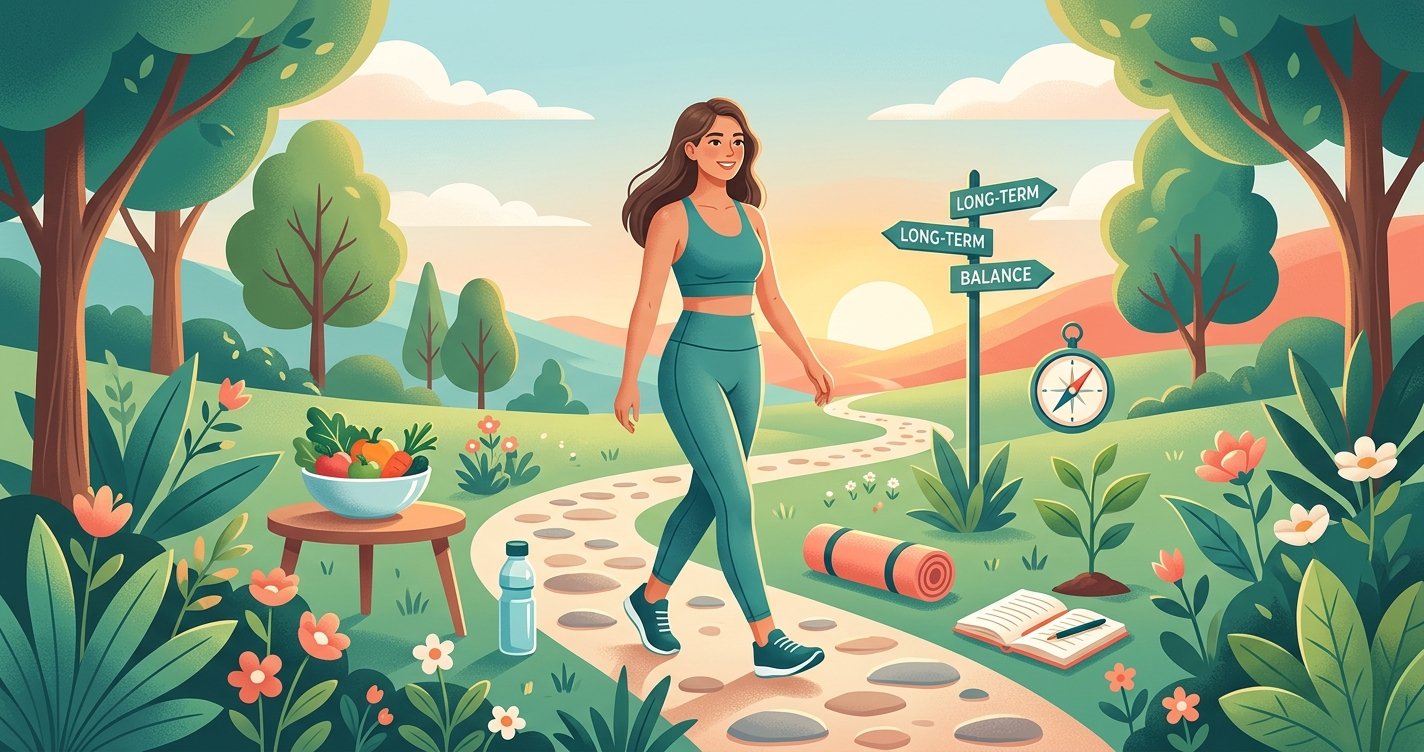
Tired of quick-fix diets that promise the world but deliver only disappointment? You're not alone. The journey to fat loss is often portrayed as a sprint, but the truth is, it's a marathon. And like any marathon, success isn't about how fast you start, but about how consistently you move forward, armed with the right strategies. This guide is your friendly, evidence-based roadmap to achieving sustainable fat loss, helping you build habits that stick, not just for a few weeks, but for life.
The Lure of Quick Fixes and the Reality of Sustainable Fat Loss
Everywhere you look, there's a new diet promising rapid weight loss: lose 10 pounds in a week! While the idea of shedding fat quickly is appealing, these methods often lead to a frustrating cycle of restriction, rebound, and disappointment. Why? Because they're rarely sustainable. They often involve extreme calorie deficits, cutting out entire food groups, or relying on supplements rather than fundamental lifestyle changes. Sustainable fat loss, on the other hand, focuses on gradual, consistent progress by building healthy habits that integrate into your everyday life, making it a journey towards better health, not just a smaller number on the scale. this excellent wellness product
The Non-Negotiable Foundation: Understanding Your Calorie Deficit
What is a Calorie Deficit?
At its core, fat loss boils down to one fundamental principle: consuming fewer calories than your body burns. This is known as a calorie deficit. When your body doesn't get enough energy from food, it turns to its stored energy reserves – primarily fat – to make up the difference. It’s not about starving yourself; it’s about smart energy management.
How to Estimate Your Needs (TDEE)
To create a deficit, you first need an idea of how many calories your body burns daily. This is your Total Daily Energy Expenditure (TDEE), which includes your Basal Metabolic Rate (BMR – calories burned at rest) plus the energy you expend through physical activity. Online calculators can give you a good estimate, but remember, these are just starting points. A common recommendation for a sustainable deficit is 300-500 calories below your TDEE, aiming for a healthy fat loss of 1-2 pounds per week.
The Importance of Small, Consistent Deficits
Big deficits might sound tempting, but they can backfire. Extreme calorie restriction can lead to muscle loss, nutrient deficiencies, fatigue, and even slow down your metabolism. A moderate, consistent deficit is far more effective for long-term fat loss, allowing your body to adapt gradually and preserving precious muscle mass.
Fueling Your Body Right: The Power of Protein and Fiber
Why Protein is Your Best Friend for Fat Loss
If there's one macronutrient to prioritize for fat loss, it's protein. Here's why:
- Satiety: Protein is incredibly filling, helping you feel fuller for longer and reducing cravings.
- Muscle Preservation: When you're in a calorie deficit, adequate protein intake helps protect your muscle mass, which is crucial for maintaining a healthy metabolism.
- Thermic Effect: Your body uses more energy (burns more calories) to digest and metabolize protein compared to carbs or fats.
Aim for lean protein sources like chicken breast, fish, lean beef, eggs, Greek yogurt, and legumes at every meal.
The Role of Fiber in Satiety and Gut Health
Fiber-rich foods are another powerhouse for fat loss. Found in fruits, vegetables, whole grains, and legumes, fiber adds bulk to your meals without adding many calories. It slows digestion, keeps you feeling full, and is essential for a healthy gut microbiome, which plays a surprising role in weight management.
Smart Carb and Healthy Fat Choices
Don't fall into the trap of demonizing carbs or fats entirely. The key is smart choices. Opt for complex carbohydrates like oats, quinoa, brown rice, and sweet potatoes, which provide sustained energy and fiber. For fats, prioritize healthy sources like avocados, nuts, seeds, and olive oil. These are vital for hormone function, nutrient absorption, and overall health, even in a deficit.
Move Your Body, Build Your Strength: Exercise for Lasting Results
Why Strength Training is Crucial for Fat Loss (and Muscle Preservation)
While cardio burns calories in the moment, strength training is your secret weapon for sustainable fat loss. Building muscle increases your resting metabolic rate, meaning you burn more calories even when you're not exercising. It also helps sculpt your body and gives you a more toned appearance. Aim for 2-4 strength training sessions per week, focusing on compound movements that work multiple muscle groups.
Incorporating Cardio Wisely
Cardio still has its place! It's excellent for cardiovascular health and contributes to your calorie deficit. Mix in moderate-intensity cardio like brisk walking, jogging, cycling, or swimming for 150-300 minutes per week. High-intensity interval training (HIIT) can also be effective for burning calories and improving fitness in shorter bursts.
The Power of NEAT (Non-Exercise Activity Thermogenesis)
Don't underestimate the power of simply moving more throughout your day. NEAT includes all the calories you burn from activities that aren't formal exercise – walking, standing, fidgeting, taking the stairs. Small changes like parking further away, taking regular stretch breaks, or walking during phone calls can significantly increase your daily calorie expenditure.
The Mental Game: Mindful Eating and Stress Management
Listening to Your Body: Hunger and Fullness Cues
One of the most powerful tools for sustainable fat loss is learning to listen to your body. Practice mindful eating: eat slowly, savor your food, and pay attention to your hunger and fullness signals. Are you truly hungry, or just bored, stressed, or thirsty? Stop eating when you're comfortably full, not stuffed.
Tackling Emotional Eating
Food is often used as a coping mechanism for emotions like stress, boredom, sadness, or happiness. Identifying your emotional eating triggers is the first step. Once you know why you're reaching for food when you're not physically hungry, you can develop alternative coping strategies, such as going for a walk, calling a friend, or engaging in a hobby.
The Impact of Stress and Sleep on Fat Loss
Chronic stress elevates cortisol levels, which can promote fat storage, especially around the belly. Poor sleep also disrupts hormones that regulate appetite (ghrelin and leptin), making you hungrier and more prone to cravings. Prioritizing stress-reducing activities (meditation, yoga, hobbies) and aiming for 7-9 hours of quality sleep per night are crucial, often overlooked, components of successful fat loss.
Consistency Over Perfection: Building Sustainable Habits
Small Changes, Big Impact
You don't need to overhaul your entire life overnight. Sustainable fat loss is built on a series of small, consistent changes. Start by adding one extra serving of vegetables a day, drinking more water, or committing to a 15-minute walk. These small wins build momentum and confidence, leading to bigger, lasting transformations.
Tracking Progress Beyond the Scale
The scale is just one metric, and it doesn't tell the whole story. Muscle gain, water retention, and hormonal fluctuations can all obscure true fat loss. Look for other signs of progress: how your clothes fit, increased energy levels, improved strength, better mood, clearer skin, and positive changes in body measurements. Celebrate these non-scale victories!
The Art of Flexibility and Recovery
Life happens! There will be days you overeat, miss a workout, or feel unmotivated. The key is not to let one slip-up derail your entire journey. Forgive yourself, learn from it, and get back on track with your next meal or workout. Incorporate rest days into your exercise routine and allow for occasional treats in your diet. Flexibility prevents burnout and makes your healthy lifestyle enjoyable and sustainable.
Your Journey to Lasting Fat Loss Starts Now
Sustainable fat loss isn't about deprivation or extreme measures; it's about empowerment, education, and embracing a healthier lifestyle one step at a time. By focusing on a moderate calorie deficit, prioritizing protein and fiber, incorporating strength training, managing stress, and practicing mindful eating, you're not just losing weight – you're building a foundation for lifelong health and well-being. Ditch the quick fixes, embrace the journey, and celebrate every victory along the way. Your body and mind will thank you.