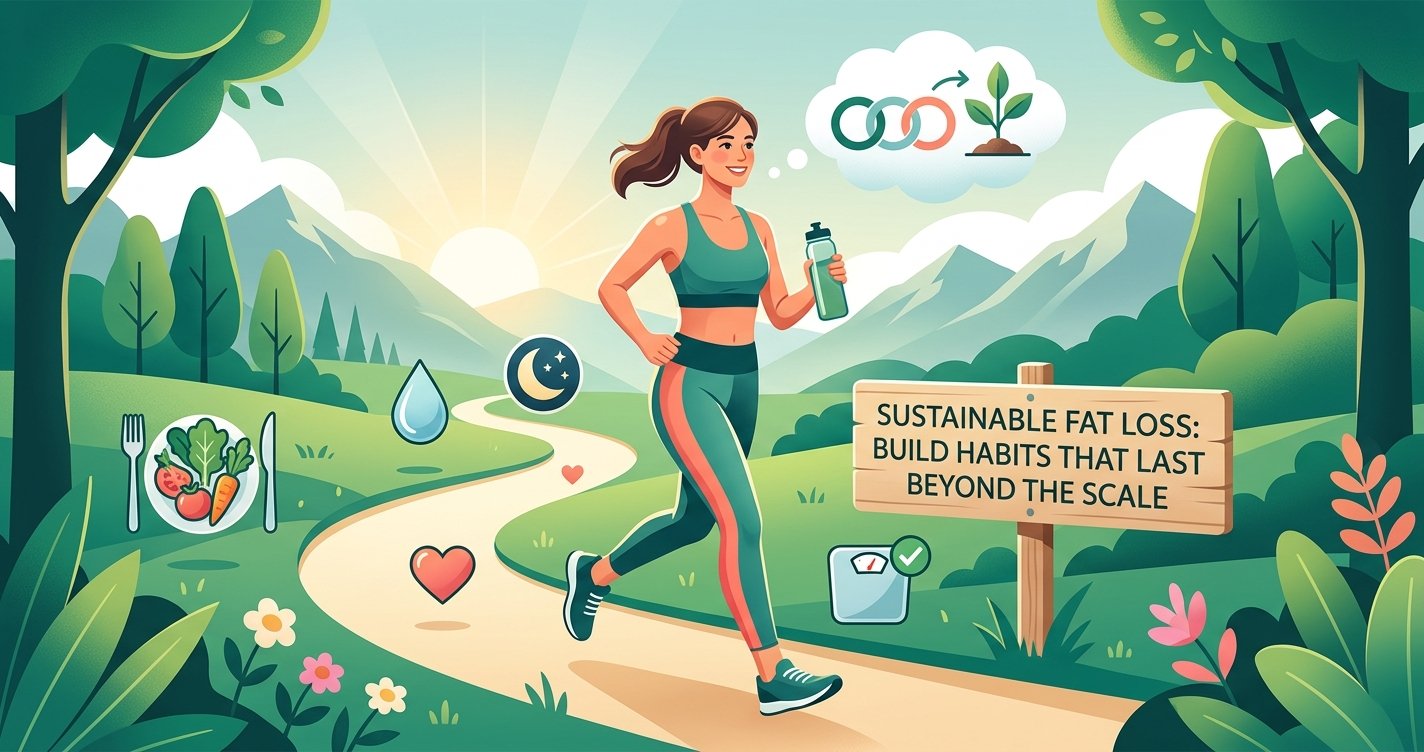
Tired of the Yo-Yo? Discover Sustainable Fat Loss Habits!
Have you ever felt caught in the endless cycle of restrictive diets, intense workouts, a brief period of weight loss, only to see the numbers creep back up on the scale? You’re not alone. In a world obsessed with quick fixes and dramatic transformations, it’s easy to fall prey to strategies that promise rapid results but ultimately leave you frustrated and defeated. The truth is, sustainable fat loss isn't about deprivation; it's about building healthy, consistent habits that support your body and mind for the long haul.
This isn't another crash diet plan. Instead, we’re going to explore evidence-based strategies to help you cultivate a lifestyle that promotes lasting fat loss, improved health, and a stronger relationship with your body. Forget the guilt and the extreme measures. Let’s focus on practical, encouraging steps you can take today to achieve a healthier, happier you, beyond just what the scale says. this excellent wellness product
Why Quick Fixes Fail: The Cycle of Dieting
The allure of losing 10 pounds in a week is powerful, but these rapid results often come at a cost. Extreme calorie restriction, cutting out entire food groups, or relying solely on supplements can lead to nutrient deficiencies, metabolic slowdown, muscle loss (not just fat!), and a rebound effect where lost weight quickly returns, often with extra. This 'yo-yo dieting' harms your metabolism and can erode your confidence.
Our bodies are incredibly adaptable, but they also crave balance. When you drastically cut calories, your body perceives it as a famine and slows down its metabolism to conserve energy. This makes future fat loss even harder. Sustainable fat loss, however, focuses on gradual, consistent changes that your body can adapt to without feeling under siege, ensuring you preserve precious muscle mass and maintain your energy levels.
The Foundation: Understanding a Smart Calorie Deficit
It's Not About Starvation: Calculating Your Needs
At its core, fat loss requires a calorie deficit – consuming fewer calories than your body burns. However, this doesn't mean eating next to nothing. A smart calorie deficit is moderate and sustainable, typically 300-500 calories below your maintenance level. This allows for steady fat loss (around 1-2 pounds per week) without triggering extreme hunger or metabolic slowdown.
How do you figure out your maintenance calories? Online calculators can give you an estimate based on your age, sex, weight, height, and activity level. Then, subtract that modest amount to create your deficit. The key here is consistency, not perfection. Don't obsess over every single calorie, but become generally aware of what you're consuming. Use apps or simply pay closer attention to portion sizes to get started.
Fueling Your Body: The Power of Protein and Whole Foods
Why Protein is Your Best Friend in Fat Loss
When you're in a calorie deficit, protein is your secret weapon. It's the most satiating macronutrient, meaning it keeps you feeling fuller for longer, reducing cravings and overeating. More importantly, adequate protein intake is crucial for preserving muscle mass during fat loss. Muscle is metabolically active, meaning it burns more calories at rest than fat does. Aim for 0.7-1 gram of protein per pound of body weight daily, distributed across your meals.
- Lean Meats: Chicken breast, turkey, lean beef, fish
- Eggs: Whole eggs are packed with nutrients
- Dairy: Greek yogurt, cottage cheese
- Legumes: Lentils, beans, chickpeas
- Plant-Based: Tofu, tempeh, edamame, protein powder
Embrace Whole, Unprocessed Foods
While calories matter, the quality of those calories matters even more. Whole, unprocessed foods are nutrient-dense, providing vitamins, minerals, and fiber that support overall health and satiety. They also tend to have a lower caloric density, meaning you can eat more volume for fewer calories compared to highly processed alternatives.
Focus on filling your plate with:
- Fruits and Vegetables: Rich in fiber, vitamins, and low in calories.
- Whole Grains: Brown rice, quinoa, oats provide sustained energy.
- Healthy Fats: Avocados, nuts, seeds, olive oil (in moderation, as they are calorie-dense).
By prioritizing these foods, you'll naturally reduce your intake of refined sugars, unhealthy fats, and empty calories that often contribute to fat gain.
Move with Purpose: Beyond Just Burning Calories
The Magic of Strength Training for Fat Loss
Many people associate fat loss primarily with cardio, but strength training is arguably more critical for sustainable results. Lifting weights builds and maintains muscle mass, which directly boosts your resting metabolism. The more muscle you have, the more calories your body burns, even when you're just sitting around.
Aim for 2-4 strength training sessions per week, focusing on compound movements that work multiple muscle groups (squats, deadlifts, presses, rows). You don't need to become a bodybuilder; simply challenging your muscles with progressive overload (gradually increasing weight, reps, or sets) will yield incredible benefits for fat loss and body composition.
Incorporate More NEAT (Non-Exercise Activity Thermogenesis)
While structured workouts are great, the calories you burn outside of formal exercise, known as NEAT, play a significant role. This includes everything from walking to pacing while on the phone, taking the stairs, or doing household chores. Small increases in NEAT throughout your day can add up to a substantial caloric expenditure over time.
- Take the stairs instead of the elevator.
- Park further away from your destination.
- Go for a short walk during your lunch break.
- Stand more often if you have a desk job.
- Do some light stretching or household tasks while watching TV.
These seemingly minor adjustments can make a big difference in your overall energy expenditure without requiring extra gym time.
The Unsung Heroes: Sleep, Stress, and Hydration
Prioritize Quality Sleep
In our busy lives, sleep is often the first thing to get sacrificed, but it's a non-negotiable for sustainable fat loss. Lack of sleep disrupts hunger-regulating hormones: it increases ghrelin (the hunger hormone) and decreases leptin (the satiety hormone). This means you'll feel hungrier and less satisfied, making it harder to stick to your calorie deficit.
Aim for 7-9 hours of quality sleep per night. Create a consistent sleep schedule, make your bedroom dark and cool, and limit screen time before bed. Your body will thank you, and your waistline might too!
Master Stress Management
Chronic stress triggers the release of cortisol, a hormone that can promote fat storage, particularly around the abdominal area. Stress can also lead to emotional eating and disrupt your motivation for healthy habits. Finding effective ways to manage stress is vital for your overall well-being and fat loss journey.
Consider incorporating practices like:
- Meditation or deep breathing exercises.
- Yoga or gentle stretching.
- Spending time in nature.
- Engaging in hobbies you enjoy.
- Connecting with loved ones.
Don't Forget Water
Staying adequately hydrated is simple but incredibly powerful. Water helps with metabolism, aids in nutrient transport, and can even help you feel fuller. Sometimes, what you perceive as hunger is actually thirst.
Aim for at least 8 glasses (around 2 liters) of water per day, and more if you're active or in a hot climate. Keep a water bottle handy and sip throughout the day.
Cultivating a Mindset for Lasting Change
Practice Mindful Eating
Mindful eating isn't a diet; it's an approach to food that focuses on your sensory experience and internal cues. It means paying attention to your hunger and fullness signals, savoring your food, and eating slowly without distractions. This helps you recognize when you're truly satisfied and prevents mindless overeating.
- Eat slowly and chew thoroughly.
- Put down your fork between bites.
- Notice the flavors, textures, and aromas.
- Stop when you're comfortably full, not stuffed.
Be Patient and Kind to Yourself
Sustainable fat loss is a journey, not a destination. There will be good days and challenging days. Don't let a single 'slip-up' derail your entire progress. View it as a learning opportunity, adjust, and get back on track. Celebrate small victories and focus on consistent effort over perfection. Self-compassion is a powerful tool that fosters resilience and prevents burnout.
Your Journey to Lasting Fat Loss Starts Now
Remember, true, sustainable fat loss isn't about chasing a number on the scale; it's about building a healthier, stronger, and more confident you. By focusing on a smart calorie deficit, prioritizing protein and whole foods, embracing strength training, increasing NEAT, optimizing sleep and stress, and cultivating a mindful approach, you're not just losing fat – you're building a foundation for lifelong wellness.
Start small. Pick one or two habits from this guide that resonate with you and commit to them. Consistency, patience, and self-kindness are your greatest allies. You have the power to create lasting change, one healthy habit at a time. What habit will you start building today?