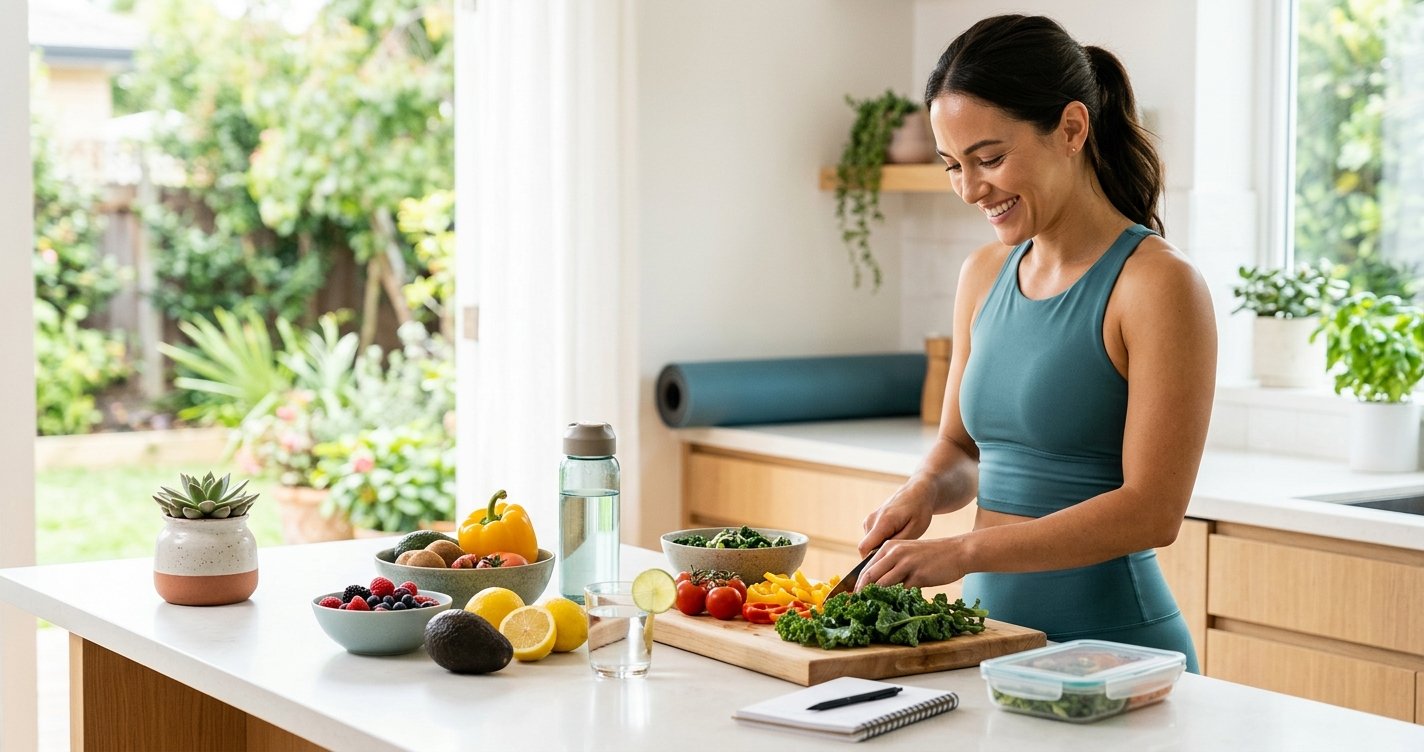
The Real Secret to Fat Loss Isn't a Secret At All
Are you tired of chasing quick fixes, restrictive diets, and intense workout programs that promise rapid fat loss, only to leave you feeling defeated and back where you started? You’re not alone. The weight loss industry is flooded with alluring shortcuts, but the truth is, sustainable fat loss isn't about deprivation or extreme measures. It's about building healthy habits that integrate seamlessly into your life, becoming second nature, and leading to lasting change. This isn't just about the number on the scale; it's about transforming your relationship with food, movement, and your body for long-term health and vitality. Let's ditch the fads and explore an evidence-based, encouraging path to a healthier, happier you.
Fueling Your Body for Sustainable Fat Loss: Beyond Restriction
Forget starvation diets. Sustainable fat loss is about nourishing your body with the right foods, in the right amounts, to support your metabolism, energy levels, and overall well-being. It’s about making smart choices that satisfy you, rather than leaving you constantly hungry and craving. this excellent wellness product
The Power of Protein
Protein is your best friend when it comes to fat loss. It’s incredibly satiating, helping you feel fuller for longer, which naturally reduces overall calorie intake. Furthermore, protein helps preserve lean muscle mass during a calorie deficit, which is crucial because muscle is metabolically active and helps burn more calories at rest. Aim for a good source of protein with every meal.
- Examples: Lean meats (chicken, turkey), fish, eggs, Greek yogurt, cottage cheese, legumes (lentils, beans), tofu, tempeh.
Smart Carb Choices for Lasting Energy
Carbohydrates often get a bad rap, but they are essential for energy. The key is to choose complex, whole-food carbohydrates over refined sugars and processed grains. Whole carbs provide sustained energy, fiber for digestive health, and crucial micronutrients.
- Examples: Whole grains (oats, brown rice, quinoa, whole-wheat bread), fruits, vegetables (especially leafy greens and colorful non-starchy options).
Fats Are Your Friends (The Right Ones!)
Healthy fats are vital for hormone production, nutrient absorption, and satiety. Don't fear them! Incorporating healthy fats in moderation can help keep you feeling full and satisfied, preventing overeating. Just remember, fats are calorie-dense, so portion control is still important.
- Examples: Avocados, nuts, seeds, olive oil, fatty fish (salmon, mackerel).
Hydration: The Unsung Hero of Fat Loss
Often overlooked, adequate water intake plays a significant role in fat loss. Water helps your metabolism function optimally, aids in nutrient transport, and can even help you feel fuller before and during meals. Sometimes, what feels like hunger is actually just thirst.
- Tip: Carry a water bottle with you and sip throughout the day. Try adding a slice of lemon or cucumber for flavor.
Moving Your Body: Exercise for More Than Just Burning Calories
Exercise is a cornerstone of sustainable fat loss, not just for burning calories, but for building strength, boosting your metabolism, improving mood, and enhancing overall health. It’s about finding movement you enjoy and making it a consistent part of your life.
Strength Training: Your Metabolic Supercharger
If you're not lifting weights, you're missing out on one of the most powerful tools for fat loss. Strength training builds muscle, and more muscle means a higher resting metabolic rate, meaning you burn more calories even when you're not exercising. Plus, it shapes your body, making you feel stronger and more confident.
- How to start: Beginners can use bodyweight exercises, resistance bands, or light dumbbells. Focus on compound movements like squats, lunges, push-ups, and rows.
Cardio: Heart Health and Calorie Burn
Cardiovascular exercise is excellent for heart health, endurance, and burning calories. It's also a fantastic stress reliever. Don't feel pressured to run marathons; even brisk walking can be incredibly effective.
- Variety is key: Mix in steady-state cardio (jogging, cycling, swimming) with occasional high-intensity interval training (HIIT) for maximum benefits.
Incorporating Movement Into Your Daily Life
Beyond structured workouts, increasing your Non-Exercise Activity Thermogenesis (NEAT) can make a big difference. This includes all the movement you do outside of planned exercise.
- Ideas: Take the stairs, park further away, walk or bike to nearby destinations, stand more at your desk, do household chores with vigor.
The Unseen Forces: Sleep, Stress, and Hormones
What happens outside the gym and kitchen is just as important for fat loss. Your sleep quality and stress levels profoundly impact your hormones, which in turn dictate how your body stores and burns fat.
Prioritizing Quality Sleep
Lack of sleep can wreak havoc on your fat loss efforts. It disrupts hormones like ghrelin (which increases appetite) and leptin (which signals fullness), leading to increased cravings and overeating. Poor sleep also elevates cortisol (the stress hormone), which can promote fat storage, especially around the midsection.
- Aim for: 7-9 hours of quality sleep per night.
- Tips: Create a consistent sleep schedule, make your bedroom dark and cool, limit screen time before bed, and avoid caffeine late in the day.
Managing Stress for a Healthier You
Chronic stress keeps cortisol levels elevated, making fat loss a uphill battle. High cortisol can increase appetite, promote sugar cravings, and encourage fat storage. Finding healthy ways to manage stress is crucial for both your mental and physical health.
- Strategies: Meditation, yoga, deep breathing exercises, spending time in nature, journaling, hobbies, connecting with loved ones.
Cultivating a Fat Loss Mindset: Patience and Persistence
Sustainable fat loss is as much a mental game as it is a physical one. Developing a positive mindset, setting realistic expectations, and practicing self-compassion are vital for long-term success.
Setting Realistic Goals
Forget the idea of losing 20 pounds in a month. Sustainable fat loss is a gradual process. Focus on small, achievable goals that build momentum and confidence. Celebrate non-scale victories like increased energy, better sleep, or clothes fitting differently.
- Focus on: 1-2 pounds of fat loss per week is generally considered healthy and sustainable.
Tracking Progress (Beyond the Scale)
The scale can be a useful tool, but it doesn't tell the whole story. Muscle gain, water fluctuations, and hormonal changes can all obscure true fat loss. Look at the bigger picture.
- Other metrics: Body measurements, progress photos, how your clothes fit, strength gains in the gym, energy levels, mood, consistency with your habits.
Bouncing Back from Setbacks
Life happens! There will be days you overeat, miss a workout, or feel discouraged. The key is not to let one slip-up derail your entire journey. Acknowledge it, learn from it, and get back on track with your next meal or workout. Self-compassion is crucial; beat yourself up, and you're more likely to give up.
Putting It All Together: Your Personalized Path to Lasting Change
The beauty of sustainable fat loss is that it’s not a one-size-fits-all approach. It's about finding what works best for your body, your lifestyle, and your preferences. Start small, implement one or two new habits at a time, and gradually build upon your successes.
Remember, consistency trumps intensity. A moderate, sustainable approach that you can stick with for years will always yield better results than a drastic, short-lived extreme diet or workout plan. Listen to your body, be patient with yourself, and celebrate every step of your journey.
Conclusion: Your Journey, Your Success
Sustainable fat loss is a journey, not a destination. It’s about embracing a healthier lifestyle that supports your body and mind, leading to lasting results that go far beyond aesthetics. By focusing on nourishing foods, consistent movement, quality sleep, stress management, and a positive mindset, you’re not just losing fat—you’re gaining vitality, confidence, and a sustainable path to well-being. Start today, one healthy habit at a time, and empower yourself to create a life you love living.