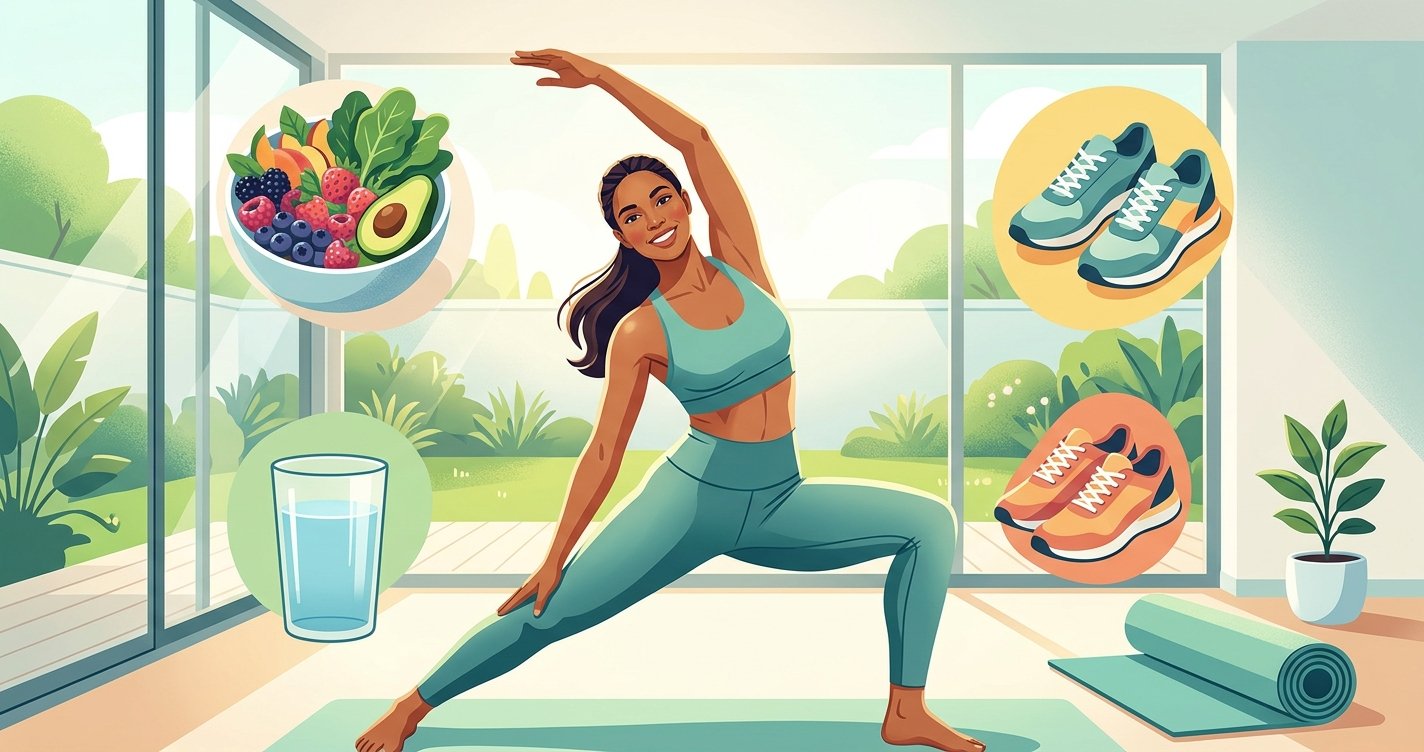
Are you tired of the endless cycle of restrictive diets, quick fixes, and the frustration of seeing the numbers on the scale yo-yo? You're not alone. For many, the journey to fat loss often feels like a battle against cravings, willpower, and an ever-elusive goal. But what if we told you there's a more empowering, sustainable, and enjoyable path forward – one that focuses not on deprivation, but on building lasting healthy habits?
This isn't another crash diet plan. This is your comprehensive, evidence-based guide to achieving real, sustainable fat loss by shifting your focus from temporary restrictions to permanent lifestyle changes. We'll explore how to work *with* your body, not against it, to create a healthier, happier you that lasts far beyond any 'diet' deadline. this excellent wellness product
Why Diets Often Fail (And What to Do Instead)
The diet industry is booming, yet obesity rates continue to climb. This isn't a coincidence. Most restrictive diets are designed for short-term results, leading to a phenomenon known as 'yo-yo dieting.' When you drastically cut calories, your body perceives it as a famine. It slows your metabolism to conserve energy, and when you inevitably return to normal eating, it's primed to store fat more efficiently, often leading to regaining more weight than you lost.
The solution isn't stricter rules; it's smarter habits. Instead of focusing on what you *can't* eat, let's shift to what you *can* add to nourish your body, manage hunger, and support your metabolism. This non-diet approach emphasizes consistency, patience, and self-compassion, leading to gradual, lasting changes that your body and mind can truly maintain.
The Power of Mindful Eating: Beyond Calorie Counting
While calories certainly play a role in fat loss, obsessively counting every single one can be exhausting and unsustainable. A more powerful tool is mindful eating – paying attention to your body's hunger and fullness cues, savoring your food, and truly engaging with the eating experience. This practice helps you understand your body's needs better, preventing overeating and fostering a healthier relationship with food.
- Eat Slowly: Put your fork down between bites. It takes about 20 minutes for your brain to register that your stomach is full.
- Savor Each Bite: Notice the flavors, textures, and aromas. This enhances enjoyment and makes you feel more satisfied.
- Listen to Your Body: Eat when you're hungry, stop when you're comfortably full, not stuffed.
- Minimize Distractions: Avoid eating in front of screens. Focus solely on your meal.
Research suggests that mindful eating can reduce emotional eating, improve body satisfaction, and contribute to sustainable weight management without the stress of rigid rules.
Fueling Your Body Right: Nutrient-Dense Choices for Lasting Satiety
When you focus on nutrient density, you naturally support fat loss. Foods rich in protein, fiber, and healthy fats keep you feeling fuller for longer, stabilize blood sugar, and provide the essential nutrients your body needs to function optimally, including metabolism support.
- Prioritize Protein: Lean proteins (chicken, fish, beans, lentils, tofu, Greek yogurt) are incredibly satiating and crucial for muscle maintenance, which is vital for a healthy metabolism. Aim for a protein source at every meal.
- Embrace Fiber: Found in fruits, vegetables, whole grains, and legumes, fiber adds bulk to your meals, aids digestion, and helps regulate blood sugar.
- Include Healthy Fats: Avocados, nuts, seeds, and olive oil provide essential fatty acids, support hormone function, and add satiety to your meals. They are calorie-dense, so portion control is key.
- Hydrate with Water: Often mistaken for hunger, thirst can lead to unnecessary snacking. Drink plenty of water throughout the day.
By focusing on these food groups, you're not just cutting calories; you're actively nourishing your body, making it easier to naturally reduce overall intake and support fat loss.
Move Your Body, Love Your Body: Exercise for Longevity, Not Just Loss
Exercise isn't just about burning calories; it's about building strength, boosting mood, improving cardiovascular health, and enhancing your metabolism. The key to sustainable exercise is finding activities you genuinely enjoy, making them a consistent part of your life.
- Strength Training: Lifting weights (or using your body weight) builds muscle mass. More muscle means a higher resting metabolism, burning more calories even at rest. Aim for 2-3 sessions per week.
- Cardiovascular Exercise: Activities like brisk walking, jogging, cycling, or swimming improve heart health and burn calories. Aim for at least 150 minutes of moderate-intensity cardio per week.
- Incorporate Movement into Daily Life: Take the stairs, walk during phone calls, park further away. Every bit of movement adds up.
Remember, consistency trumps intensity. A moderate workout done regularly is far more effective than sporadic, grueling sessions you dread.
The Unsung Heroes of Fat Loss: Sleep, Stress, and Hydration
Beyond diet and exercise, three often-overlooked factors play a critical role in your body's ability to lose fat and maintain health.
- Quality Sleep: Lack of sleep disrupts hormones that regulate appetite (ghrelin increases hunger, leptin decreases satiety) and increases cortisol (the stress hormone), which can promote belly fat storage. Aim for 7-9 hours of quality sleep per night.
- Stress Management: Chronic stress keeps cortisol levels elevated, making it harder to lose weight, particularly around the midsection. Incorporate stress-reducing activities like meditation, yoga, deep breathing, spending time in nature, or engaging in hobbies you love.
- Consistent Hydration: Drinking enough water is crucial for metabolic processes, nutrient transport, and satiety. Sometimes, thirst is mistaken for hunger, leading to unnecessary snacking. Aim for at least 8 glasses of water daily, more if you're active.
Addressing these foundational elements creates a supportive environment for your body to naturally release excess fat.
Building a Sustainable Lifestyle: Small Changes, Big Impact
The journey to sustainable fat loss is not a race; it's a marathon. It's about making small, manageable changes that compound over time, leading to significant, lasting results. Don't try to overhaul everything at once. Pick one or two habits to focus on, master them, and then add more.
- Set Realistic Goals: Aim for gradual fat loss (1-2 pounds per week) rather than drastic drops. This is healthier and more sustainable.
- Be Patient and Kind to Yourself: There will be good days and challenging days. Don't let a slip-up derail your entire journey. Get back on track with your next meal or workout.
- Seek Support: Share your goals with a trusted friend, family member, or consider working with a coach or dietitian. Accountability and encouragement can make a huge difference.
- Celebrate Non-Scale Victories: Focus on how your clothes fit, your energy levels, your strength, and your overall well-being. These are often more motivating than the number on the scale.
Your Journey Starts Today
Sustainable fat loss isn't about chasing perfection; it's about pursuing progress and building a healthier, more vibrant life. By embracing mindful eating, nourishing your body with whole foods, moving regularly, and prioritizing sleep, stress management, and hydration, you're not just losing fat – you're gaining lifelong health, energy, and confidence. This is your invitation to step off the diet roller coaster and embark on a truly empowering journey to a better you. Start small, stay consistent, and celebrate every step of the way.