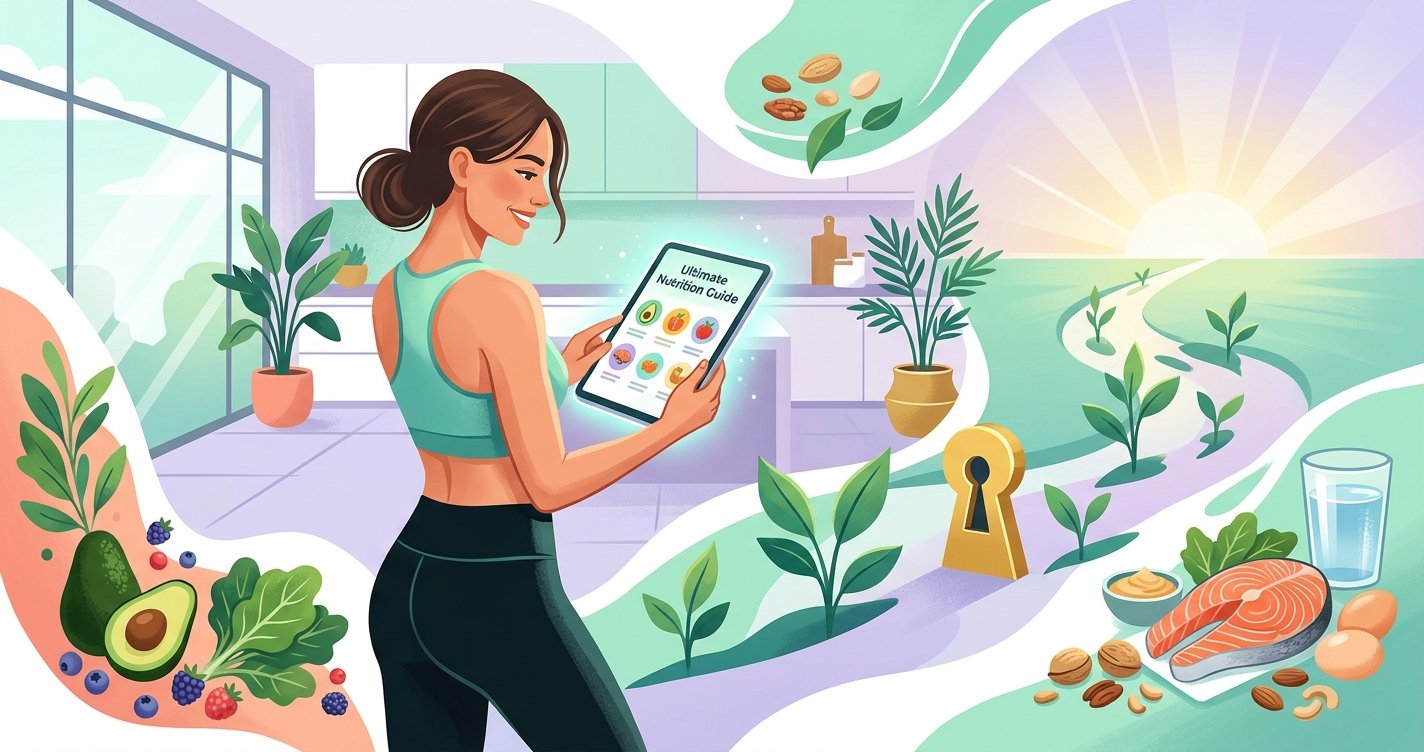
Are you tired of the endless cycle of restrictive diets, quick fixes, and the frustration of fat loss that just doesn't last? You're not alone. In a world saturated with conflicting advice and miracle solutions, it's easy to feel overwhelmed and discouraged. But what if we told you that achieving sustainable fat loss isn't about deprivation or extreme measures, but about understanding a few fundamental, evidence-based nutrition principles?
This isn't another fad diet. This is your friendly, science-backed guide to transforming your body and building healthier habits that stick. We're going to dive deep into the core pillars of effective fat loss nutrition: understanding your calorie deficit, harnessing the power of protein, and embracing whole foods. Get ready to ditch the confusion and embrace a path to lasting results, feeling energized and empowered every step of the way! this excellent wellness product
The Calorie Deficit: Your Foundation for Fat Loss
Let's start with the undisputed king of fat loss: the calorie deficit. Simply put, a calorie deficit means consuming fewer calories than your body burns. It's the fundamental principle behind all successful fat loss, and it's backed by the laws of thermodynamics – energy in versus energy out. Without it, fat loss won't happen.
Think of your body like a car. If you put less fuel in than it uses to drive, it will eventually tap into its stored fuel reserves (body fat) to keep going. The good news? You don't need to starve yourself to create an effective deficit. A sustainable deficit is typically achieved by reducing your daily intake by 300-500 calories below your Total Daily Energy Expenditure (TDEE). This allows for steady, healthy fat loss of about 1-2 pounds per week, which is realistic and easier to maintain.
How to Estimate Your TDEE:
- Basal Metabolic Rate (BMR): This is the number of calories your body burns at rest just to maintain basic functions (breathing, circulation, etc.). You can estimate it using online calculators (like the Mifflin-St Jeor equation).
- Activity Level: Multiply your BMR by an activity factor (e.g., sedentary, lightly active, moderately active, very active) to get your TDEE.
Once you have your TDEE, subtract 300-500 calories to find your target daily intake. Remember, these are estimates, and listening to your body and tracking progress are key to making adjustments.
Protein: The Unsung Hero of Satiety and Muscle Preservation
While the calorie deficit is the foundation, protein is the powerful building block that makes your fat loss journey smoother and more effective. It's often overlooked, but its benefits are immense:
- Satiety Superstar: Protein is incredibly filling. Including adequate protein in your meals helps you feel fuller for longer, reducing cravings and making it easier to stick to your calorie goals. No more constant hunger pangs!
- Metabolic Boost (Thermic Effect of Food - TEF): Your body uses energy to digest, absorb, and metabolize food. Protein has the highest TEF compared to carbs and fats, meaning you burn more calories just by eating it.
- Muscle Preservation: When you're in a calorie deficit, your body can sometimes break down muscle tissue for energy, especially if protein intake is low. Adequate protein helps protect your precious muscle mass, which is crucial because muscle burns more calories at rest than fat does. Maintaining muscle also gives your body a toned, fit appearance.
How much protein do you need? For optimal fat loss and muscle preservation, aim for 1.6 to 2.2 grams of protein per kilogram of body weight per day. For most active individuals, this translates to roughly 0.7 to 1 gram per pound of body weight.
Excellent Protein Sources:
- Lean meats (chicken breast, turkey, lean beef)
- Fish and seafood
- Eggs
- Dairy products (Greek yogurt, cottage cheese)
- Legumes (lentils, beans)
- Tofu and tempeh
- Protein powder (whey, casein, plant-based)
Beyond Macros: The Power of Whole Foods and Fiber
While calories and protein are crucial, the quality of your food choices plays a massive role in both your health and your ability to sustain fat loss. This is where whole, unprocessed foods come into play.
Whole foods are foods that are minimally processed and retain most of their natural nutritional value. Think fruits, vegetables, whole grains, lean proteins, and healthy fats. They are packed with vitamins, minerals, antioxidants, and most importantly for fat loss, fiber!
- Nutrient Density: Whole foods provide a wealth of nutrients without excess calories. Eating nutrient-dense foods ensures your body gets what it needs to function optimally, preventing deficiencies that can lead to cravings and low energy.
- Fiber for Satiety and Gut Health: Fiber, found abundantly in fruits, vegetables, legumes, and whole grains, is a game-changer. It adds bulk to your meals, making you feel full without adding many calories. Fiber also aids digestion, promotes a healthy gut microbiome, and helps regulate blood sugar levels, preventing energy crashes that can lead to unhealthy snacking.
- Hydration: Don't forget water! It's not a food, but it's essential for every bodily function, including metabolism. Drinking plenty of water can also help with satiety and prevent mistaking thirst for hunger.
Prioritize filling your plate with colorful vegetables, a serving of fruit, and opting for whole grains over refined ones. These choices will make your calorie deficit feel much less restrictive and far more satisfying.
Practical Steps to Make it Sustainable and Enjoyable
Knowing the science is one thing, but implementing it into your busy life is another. Here are practical strategies to make your fat loss journey sustainable and even enjoyable:
- Meal Planning and Preparation: Dedicate some time each week to plan your meals and snacks. Prepare ingredients or whole meals in advance. This reduces decision fatigue and the likelihood of reaching for less healthy, convenient options when hunger strikes.
- Mindful Eating: Slow down and pay attention to your food. Savor each bite, notice your hunger and fullness cues. Eating mindfully can help you recognize when you're truly satisfied and prevent overeating.
- Track Progress, Not Just Calories: While calorie tracking can be a helpful tool initially, don't let it become an obsession. Focus on non-scale victories like increased energy, better sleep, clothes fitting differently, and improved mood. Use a food diary or app for a few weeks to get a sense of your typical intake, then transition to more intuitive eating with a focus on protein and whole foods.
- Embrace Flexibility: No food is inherently 'bad.' It's about balance and moderation. Allow yourself to enjoy your favorite treats occasionally without guilt. The 'all or nothing' mentality often leads to rebound overeating. Aim for 80/20 – 80% nourishing, whole foods, 20% flexibility.
- Learn to Manage Cravings: Cravings are normal. Instead of fighting them, acknowledge them. Sometimes, a craving for something sweet might just mean you need more protein or a piece of fruit. If you do indulge, do so mindfully and get back on track with your next meal.
The Mindset for Lasting Success: Patience, Consistency, and Self-Compassion
Fat loss isn't a race; it's a marathon. The biggest hurdle for many isn't the physical aspect, but the mental one. Developing the right mindset is paramount for lasting success.
- Patience is a Virtue: Fat loss is rarely linear. There will be weeks when the scale doesn't budge, or even goes up slightly due to water retention or hormonal fluctuations. Don't get discouraged. Trust the process and look at the bigger picture.
- Consistency Over Perfection: You don't need to be perfect every day. What matters most is consistency over time. One 'off' meal or day won't derail your progress, but giving up entirely will. Get back on track with your next meal or the next day, without dwelling on perceived failures.
- Celebrate Non-Scale Victories: Focus on all the positive changes happening beyond the number on the scale. Are you sleeping better? Do you have more energy? Are your clothes feeling looser? Is your mood improving? These are significant indicators of progress and health.
- Practice Self-Compassion: Be kind to yourself. This journey is about improving your health and well-being, not about punishing yourself. Treat yourself with the same encouragement and understanding you would offer a friend.
- Listen to Your Body: As you become more attuned to your body, you'll learn what foods make you feel best, when you're truly hungry, and when you're satisfied. This intuitive connection is the ultimate goal for sustainable health.
Your Journey to a Healthier, Happier You Starts Now!
Achieving sustainable fat loss isn't a mystery; it's a journey built on understanding and applying fundamental nutrition principles. By focusing on creating a consistent calorie deficit, prioritizing protein for satiety and muscle preservation, and nourishing your body with whole, fiber-rich foods, you're setting yourself up for success.
Remember, this isn't about fleeting results; it's about building a healthier lifestyle that empowers you to feel your best, inside and out. Be patient, be consistent, and be kind to yourself. You have all the tools you need to make lasting changes. Start small, stay committed, and celebrate every step of your incredible journey. You've got this!