Are you tired of the endless cycle of restrictive diets, quick fixes, and disappointing results when it comes to fat loss? You're not alone. Many people embark on their weight loss journey with gusto, only to find themselves burnt out, hungry, and back where they started. What if we told you there’s a more effective, science-backed, and truly sustainable path?
The secret isn't a magic pill or a celebrity detox; it lies in understanding two fundamental pillars of nutrition: the calorie deficit and the incredible power of protein. Forget deprivation; this approach is about smart choices that fuel your body, preserve your hard-earned muscle, and make fat loss feel less like a battle and more like a natural progression towards a healthier you. Let's dive into the evidence, bust some myths, and equip you with the knowledge to achieve lasting results. this excellent wellness product
The Unsung Hero: Understanding the Calorie Deficit
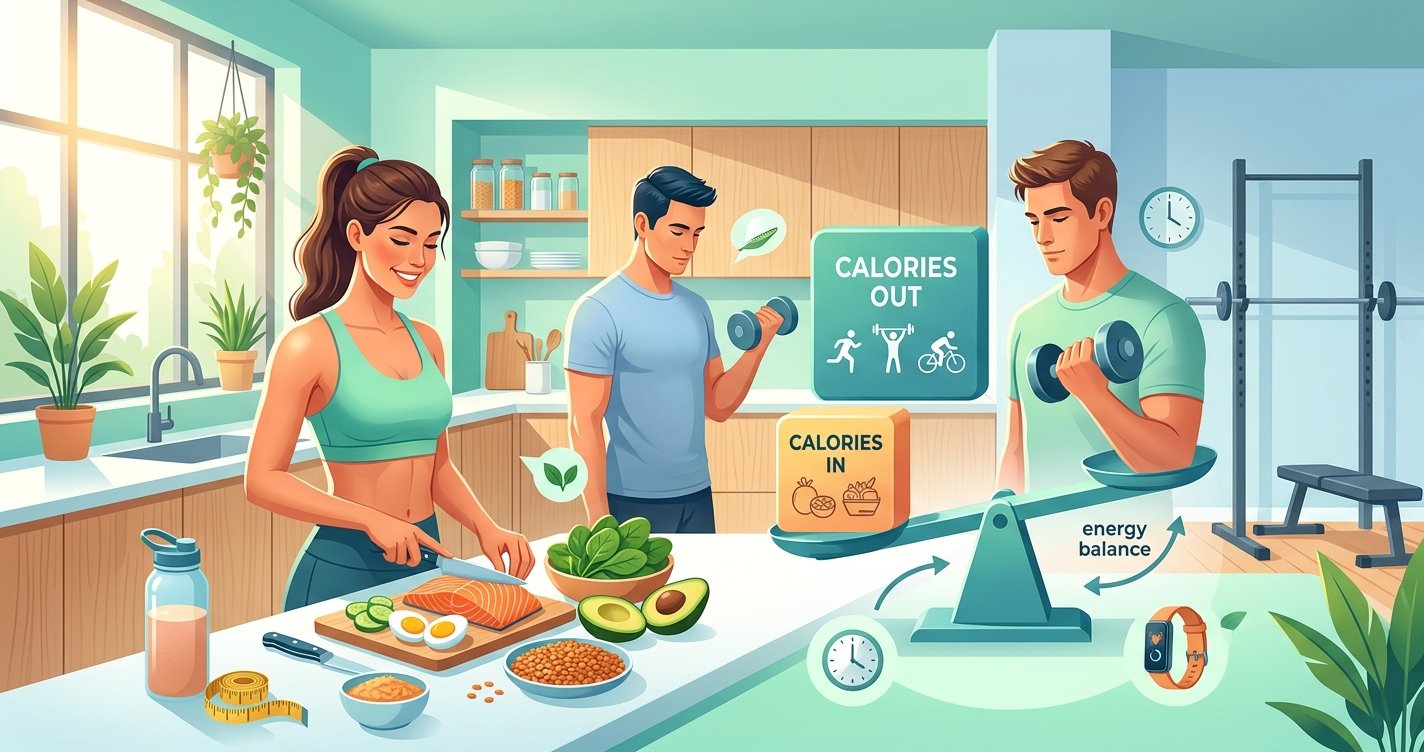
At its core, fat loss is a simple equation: you must consume fewer calories than your body burns. This state is known as a calorie deficit. It's the non-negotiable principle, the universal truth of shedding body fat. Without it, no amount of exercise, superfoods, or supplements will lead to significant fat loss.
Think of your body like a car. Calories are its fuel. If you put in less fuel than the engine needs to run, it starts tapping into its stored reserves – in this case, your body fat. It's not about starvation; it's about creating a slight energy gap that encourages your body to use its fat stores for energy.
It's Not About Starvation: Finding Your Sweet Spot
The key to a sustainable calorie deficit is finding your 'sweet spot' – a deficit that's large enough to promote fat loss but small enough to be manageable, minimize hunger, and prevent drastic metabolic slowdown. A common recommendation is a deficit of 300-500 calories per day. This typically translates to losing about 0.5-1 pound of fat per week, a rate that is both healthy and sustainable for most individuals.
How do you figure out your calorie needs? You can start by calculating your Total Daily Energy Expenditure (TDEE), which estimates the calories your body burns in a day including activity. Online calculators are a great starting point, but remember, they are estimates. Tracking your food intake and weight over a few weeks can help you fine-tune your actual maintenance calories.
Powering Up with Protein: Your Fat Loss Best Friend
Once you understand the calorie deficit, the next crucial step is optimizing your macronutrient intake, and protein takes center stage. Protein isn't just for bodybuilders; it's an indispensable ally in your fat loss journey, and here’s why:
- Satiety Superstar: Protein is by far the most satiating macronutrient. Eating enough protein helps you feel fuller for longer, reducing cravings and making it easier to stick to your calorie deficit.
- Muscle Preservation: When you're in a calorie deficit, your body can sometimes break down muscle tissue for energy, not just fat. Adequate protein intake, especially combined with strength training, helps signal your body to preserve muscle mass. Why is this important? More muscle means a higher resting metabolism, making it easier to burn calories even at rest.
- Thermic Effect of Food (TEF): Protein has a higher TEF than carbohydrates or fats. This means your body expends more energy (calories) digesting and metabolizing protein. It's a small but significant boost to your overall calorie expenditure.
Beyond the Gym: Protein's Role in Everyday Fat Loss
You don't need to be a gym enthusiast to reap the benefits of protein. Simply incorporating more protein into your daily meals can make a profound difference. Imagine feeling satisfied after a meal, rather than reaching for snacks an hour later. That's the protein advantage!
Practical Protein Pointers: Sources and Strategies
So, how much protein do you need? For fat loss, a general guideline is to aim for 1.6-2.2 grams of protein per kilogram of body weight (or 0.7-1 gram per pound of body weight). Distribute this intake throughout your day, aiming for 20-40 grams per meal.
Excellent protein sources include:
- Lean Meats: Chicken breast, turkey, lean beef, pork loin.
- Fish and Seafood: Salmon, cod, tuna, shrimp.
- Eggs: Whole eggs are fantastic, egg whites are pure protein.
- Dairy: Greek yogurt, cottage cheese, milk, whey protein powder.
- Legumes: Lentils, beans, chickpeas (also great fiber!).
- Plant-Based: Tofu, tempeh, edamame, seitan, protein powders (pea, soy, rice).
Pro-Tip: Start your day with a protein-rich breakfast. This can set you up for success, curbing hunger and stabilizing blood sugar throughout the morning.
Beyond Calories and Protein: The Bigger Nutritional Picture
While a calorie deficit and ample protein are paramount, a holistic approach to nutrition is vital for overall health and sustainable fat loss. Don't forget about the other important players:
- Fiber: Found in fruits, vegetables, and whole grains, fiber aids digestion, promotes gut health, and enhances satiety, further supporting your calorie deficit.
- Healthy Fats: Essential for hormone production, nutrient absorption, and satiety. Include sources like avocados, nuts, seeds, and olive oil in moderation. Remember, fats are calorie-dense, so portion control is key.
- Complex Carbohydrates: These provide sustained energy for your workouts and daily activities. Choose whole grains like oats, quinoa, brown rice, and sweet potatoes over refined carbs. They also come packed with fiber and micronutrients.
- Micronutrients: Vitamins and minerals found in a diverse range of whole foods are crucial for every bodily function, including metabolism. Don't let a focus on macros neglect your micros!
Hydration: The Often-Forgotten Fat Loss Ally
Water plays a critical role in almost every bodily process, including metabolism. Staying well-hydrated can help with satiety, improve energy levels, and even aid in nutrient transport. Aim for at least 8 glasses of water a day, and more if you're active.
Making it Sustainable: Habits, Mindset, and Patience
Understanding the science is one thing; putting it into practice consistently is another. Sustainable fat loss isn't just about what you eat; it's about building lasting habits and fostering a resilient mindset.
- Consistency Over Perfection: You don't need to be perfect every day. Life happens. Focus on consistently making good choices most of the time. One 'off' meal or day won't derail your progress if you get back on track.
- Mindful Eating: Pay attention to your body's hunger and fullness cues. Eat slowly, savor your food, and avoid distractions. This can prevent overeating and help you appreciate your meals more.
- Dealing with Plateaus: Fat loss isn't linear. You will encounter plateaus. When this happens, reassess your calorie intake, increase your activity, or try a diet break (a short period at maintenance calories) to reset.
- Sleep and Stress Management: Poor sleep and chronic stress can negatively impact hormones that regulate appetite (ghrelin and leptin) and fat storage (cortisol). Prioritizing 7-9 hours of quality sleep and finding healthy ways to manage stress are crucial for fat loss and overall well-being.
The Long Game: Why Patience is Your Secret Weapon
Sustainable fat loss takes time. Embrace the journey and celebrate small victories. Rapid weight loss often comes at the expense of muscle and is rarely maintained. Focus on building healthy habits that you can stick with for life, and the fat loss will naturally follow.
Your Action Plan: Kicking Off Your Sustainable Fat Loss Journey
Ready to transform your approach to fat loss? Here’s your simple, actionable plan:
- Calculate Your TDEE: Use an online calculator as a starting point.
- Establish a Calorie Deficit: Aim for 300-500 calories below your TDEE.
- Prioritize Protein: Target 1.6-2.2g/kg of body weight daily, distributed across meals.
- Hydrate: Drink plenty of water throughout the day.
- Focus on Whole Foods: Fill your plate with lean proteins, vegetables, fruits, and whole grains.
- Be Patient & Consistent: Understand that this is a journey, not a sprint.
Remember, this isn't about restriction; it's about smart, informed choices that empower you. By mastering the calorie deficit and harnessing the power of protein, you're not just losing fat; you're building a healthier, stronger, and more confident you. You've got this!