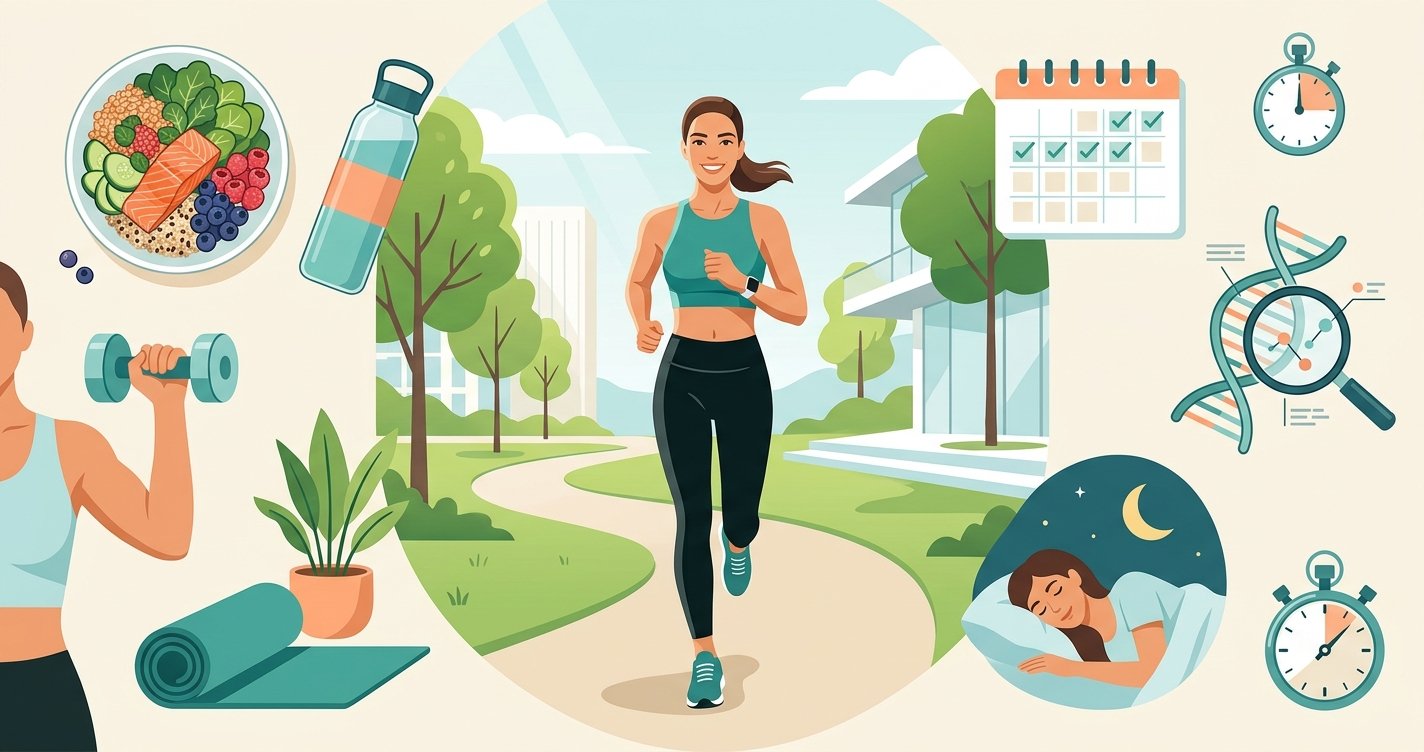
In a world obsessed with quick fixes and overnight transformations, the journey to fat loss often feels like a confusing maze of conflicting advice. Fad diets promise rapid results, only to leave you feeling frustrated, deprived, and often heavier than when you started. But what if there was a better way? A path rooted in science, fueled by sustainable habits, and guided by a friendly, encouraging hand?
Welcome to the real talk on sustainable fat loss. This isn't about deprivation; it's about education. It's not about temporary fixes; it's about lasting change. We're going to dive into the evidence-based strategies that actually work, helping you understand your body, build healthy routines, and achieve fat loss that sticks, not just for a season, but for life. Ready to ditch the diet culture and embrace a smarter, kinder approach? this excellent wellness product
The Foundation: Understanding Your Calorie Deficit (and Why It Matters)
Let's cut to the chase: at its core, fat loss boils down to a simple principle known as a calorie deficit. This means you need to consistently consume fewer calories than your body expends. Think of your body as a car: if you put in less fuel than you burn driving, the fuel tank will eventually deplete. For your body, that 'fuel' is stored fat.
While straightforward, 'calorie deficit' often gets a bad rap, conjuring images of extreme hunger. However, a sustainable deficit is moderate and manageable. You can estimate your Total Daily Energy Expenditure (TDEE) using online calculators, which factor in your age, gender, weight, height, and activity level. From there, aim for a deficit of 300-500 calories per day. This allows for steady fat loss (typically 1-2 pounds per week) without feeling overly deprived, which is crucial for long-term adherence. Remember, consistency in a slight deficit trumps sporadic extreme restriction every time.
How to Create a Sustainable Deficit:
- Track for Awareness: For a few days, log your food intake to understand your current calorie consumption.
- Small Reductions: Instead of slashing hundreds of calories at once, look for small, easy wins like reducing sugary drinks, excessive sauces, or larger portion sizes.
- Prioritize Nutrient Density: Fill up on whole, unprocessed foods that provide more volume and nutrients for fewer calories.
Fueling Your Body Right: Macronutrients for Fat Loss
While calories are king for fat loss, where those calories come from matters immensely for your health, satiety, and muscle preservation. This is where macronutrients – protein, carbohydrates, and fats – come into play. They're not just numbers; they're the building blocks and energy sources your body needs to thrive.
- Protein: Your Best Friend for Fat Loss. Research consistently shows that a higher protein intake is incredibly beneficial. Protein is highly satiating, meaning it keeps you feeling fuller for longer, reducing the urge to snack. It also has a higher thermic effect, meaning your body burns more calories digesting it. Most importantly, adequate protein helps preserve lean muscle mass during a calorie deficit, which is vital for maintaining a healthy metabolism. Aim for 0.7-1 gram of protein per pound of body weight.
- Carbohydrates: Energy and Fiber. Don't fear carbs! They are your body's primary energy source. Focus on complex carbohydrates like whole grains, fruits, and vegetables. These are rich in fiber, which aids digestion, promotes satiety, and helps regulate blood sugar levels. Avoid excessive simple sugars found in processed foods.
- Fats: Essential for Health. Healthy fats are crucial for hormone production, nutrient absorption, and overall cell function. Include sources like avocados, nuts, seeds, and olive oil in moderation. While essential, fats are calorie-dense (9 calories per gram compared to 4 for protein and carbs), so mindful portioning is key.
By balancing your macros, prioritizing whole foods, and staying well-hydrated, you'll not only create a calorie deficit more easily but also nourish your body effectively, keeping hunger at bay and energy levels stable.
Move Your Body Smart: The Power of Exercise Beyond the Scale
Exercise isn't just about burning calories; it's a powerful tool for body recomposition, mental well-being, and overall health. For sustainable fat loss, a balanced approach that includes both strength training and cardiovascular exercise is superior.
Strength Training: Build & Boost
Often overlooked by those focused solely on the scale, strength training is arguably the most critical component for sustainable fat loss. Why? Because muscle is metabolically active tissue. The more muscle you have, the more calories your body burns at rest. Lifting weights helps you:
- Preserve Muscle Mass: When in a calorie deficit, your body can lose both fat and muscle. Strength training signals to your body to hold onto muscle.
- Boost Metabolism: Increased muscle mass means a higher resting metabolic rate (RMR).
- Shape Your Body: Beyond fat loss, strength training sculpts your physique, giving you a strong, toned look.
Aim for 2-4 strength training sessions per week, focusing on compound movements (squats, deadlifts, presses, rows) that work multiple muscle groups.
Cardiovascular Exercise: Heart Health & Calorie Burn
Cardio, like running, cycling, or swimming, is excellent for heart health, endurance, and directly burns calories, contributing to your deficit. Incorporate both steady-state cardio (moderate intensity for longer durations) and high-intensity interval training (HIIT) for varied benefits. HIIT can be very effective for burning calories in a shorter amount of time and can create an 'afterburn effect' (EPOC).
The Power of NEAT (Non-Exercise Activity Thermogenesis)
Don't underestimate the power of simply moving more throughout your day. NEAT includes everything from walking to work, taking the stairs, fidgeting, or doing household chores. These small movements add up significantly over time and can contribute substantially to your daily calorie expenditure without feeling like a dedicated workout. Aim to increase your daily steps and find opportunities to be more active.
The Unsung Heroes: Sleep, Stress, and Hormones
You can meticulously track your calories and hit the gym consistently, but if you're neglecting sleep and stress management, you might find yourself fighting an uphill battle. These often-overlooked factors play a massive role in your body's ability to lose fat.
- Sleep: Your Body's Reset Button. Chronic sleep deprivation wreaks havoc on your hormones. It increases ghrelin (the 'hunger hormone') and decreases leptin (the 'satiety hormone'), making you feel hungrier and less satisfied. It also elevates cortisol, the stress hormone, which can promote fat storage, particularly around the midsection. Aim for 7-9 hours of quality sleep per night.
- Stress: The Silent Saboteur. In today's fast-paced world, chronic stress is rampant. When stressed, your body releases cortisol, preparing for a 'fight or flight' response. While useful in acute situations, sustained high cortisol levels can lead to increased appetite, cravings for unhealthy foods, and stubborn fat retention. Finding healthy ways to manage stress – meditation, yoga, spending time in nature, hobbies – is not a luxury; it's a necessity for fat loss and overall well-being.
Practical Tips for Better Sleep & Stress Management:
- Create a Bedtime Routine: Wind down with a book, warm bath, or light stretching.
- Limit Screen Time: Avoid blue light from devices an hour before bed.
- Prioritize 'Me Time': Schedule time for relaxation and hobbies.
- Mindfulness & Deep Breathing: Practice these techniques to calm your nervous system.
Mindset Matters: Building Habits That Last
The journey to sustainable fat loss isn't just physical; it's deeply psychological. Your mindset, patience, and ability to build consistent habits are just as important as your diet and exercise regimen. This is where true, lasting change is forged.
- Patience and Consistency Over Perfection: Fat loss is not a linear process. There will be good days, challenging days, and plateaus. Instead of striving for perfection, which is unsustainable, focus on consistency. One 'bad' meal or missed workout won't derail your progress, but giving up entirely will.
- Small, Incremental Changes: Don't try to overhaul everything at once. Pick one or two habits to focus on each week or month. Maybe it's adding a serving of vegetables to each meal, drinking more water, or going for a 20-minute walk daily. Small wins build momentum and confidence.
- Set Realistic Goals: Aim for achievable, healthy fat loss (1-2 pounds per week). Unrealistic expectations lead to disappointment and giving up. Celebrate non-scale victories like increased energy, better sleep, stronger lifts, or clothes fitting better.
- Self-Compassion and Learning: Treat yourself with kindness. If you slip up, don't beat yourself up. Analyze what happened, learn from it, and get back on track. This journey is about progress, not perfection.
- Find Your 'Why': Connect with the deeper reasons you want to achieve fat loss. Is it for better health, more energy, keeping up with your kids, or feeling confident? This 'why' will be your anchor when motivation wanes.
Sustainable fat loss isn't about deprivation or a race to a finish line. It's about a gradual, empowering transformation of your lifestyle. It's about understanding your body, nourishing it with respect, moving it with joy, and nurturing your mind with kindness. By embracing these science-backed strategies and focusing on building lasting habits, you're not just losing fat; you're gaining health, confidence, and a sustainable path to a better you. Start small, stay consistent, and trust the process. Your future self will thank you.