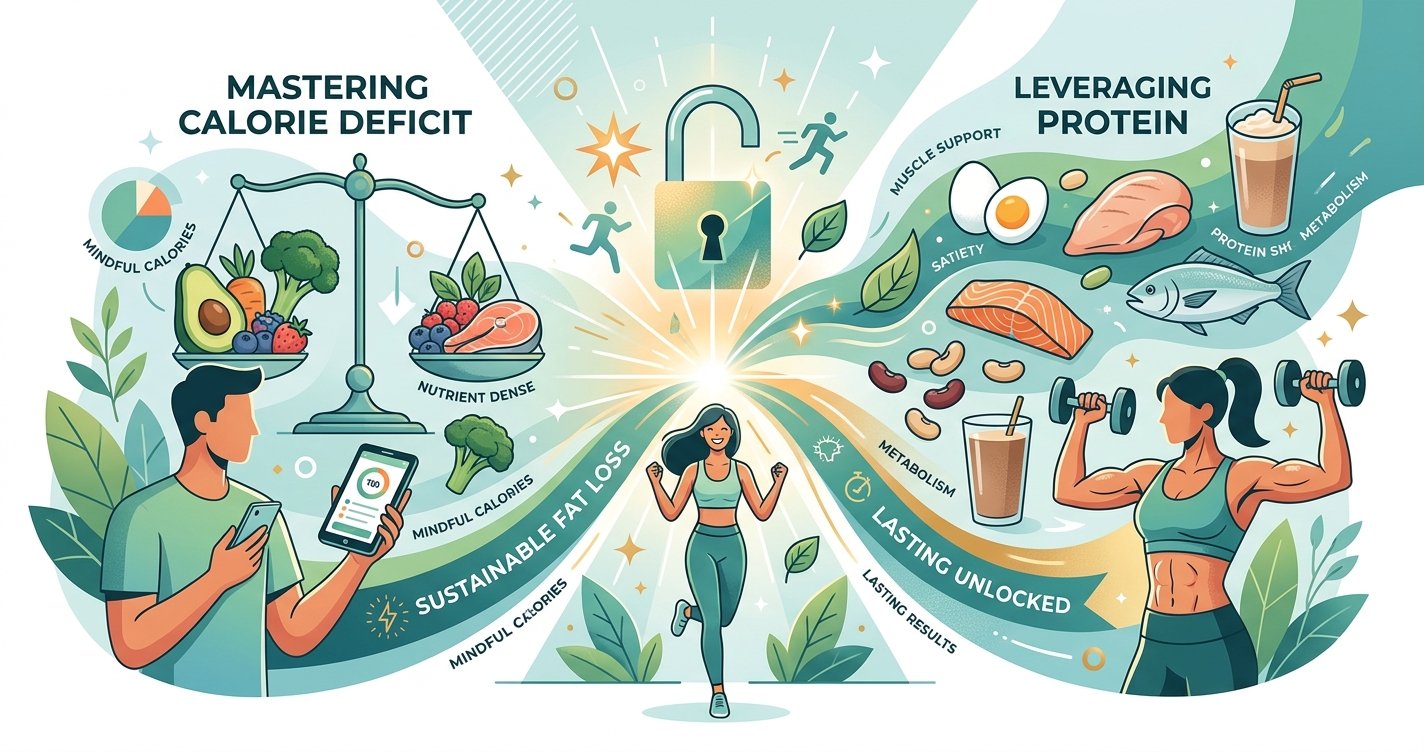
Are you tired of diet fads that promise the world but deliver only frustration and a rebound on the scale? It's time to ditch the quick fixes and embrace a proven, sustainable path to fat loss. We're talking about a strategy rooted in science, designed for real life, and focused on lasting results: mastering the calorie deficit with the power of protein.
This isn't about deprivation or extreme measures. It's about understanding your body, fueling it intelligently, and making small, consistent changes that add up to significant progress. Get ready to transform your body and your relationship with food, all while feeling energized and empowered! this excellent wellness product
The Unshakeable Foundation: Understanding the Calorie Deficit
At its heart, fat loss is a simple equation: you must consume fewer calories than your body burns. This is known as a calorie deficit, and it's the non-negotiable principle for losing fat. Think of your body as a car; if you want to use the fuel already in the tank (stored fat), you need to put less new fuel in.
How to Find Your Sweet Spot:
- Estimate Your Maintenance Calories: Your Total Daily Energy Expenditure (TDEE) is the number of calories your body needs to maintain its current weight, factoring in your Basal Metabolic Rate (BMR) and activity level. Online calculators can give you a good starting estimate, or you can track your intake for a week and observe your weight.
- Create a Moderate Deficit: For sustainable and healthy fat loss, aim for a deficit of 300-500 calories per day. This typically results in a loss of 0.5 to 1 pound of fat per week, which is considered safe and maintainable. A larger deficit might lead to muscle loss, nutrient deficiencies, and make adherence extremely difficult.
Remember, this isn't about starving yourself; it's about smart energy management. Small changes, like swapping a sugary drink for water or reducing portion sizes slightly, can make a big difference over time.
Your Fat Loss MVP: The Power of Protein
While a calorie deficit is essential, how you achieve it matters immensely. This is where protein steps in as your most valuable macronutrient for fat loss. Numerous studies highlight protein's critical role in promoting satiety, preserving muscle, and boosting metabolism.
Why Protein is Your Best Friend:
- Satiety Superstar: Protein is incredibly filling. Including adequate protein in your meals helps you feel fuller for longer, reducing cravings and preventing overeating. Research consistently shows higher protein diets lead to greater reductions in appetite and calorie intake.
- Muscle Preservation: When you're in a calorie deficit, your body can sometimes break down muscle tissue for energy, not just fat. Sufficient protein intake signals to your body to hold onto that precious muscle, which is vital for maintaining a healthy metabolism and a toned physique.
- Metabolic Boost (TEF): Protein has a higher Thermic Effect of Food (TEF) than carbs or fats. This means your body expends more energy (burns more calories) digesting and metabolizing protein. While not a massive game-changer on its own, every little bit helps!
How Much Protein Do You Need?
For fat loss, a common recommendation is to consume 1.6 to 2.2 grams of protein per kilogram of body weight (or 0.7 to 1 gram per pound). Distribute your protein intake throughout the day across your meals and snacks for optimal benefits. Think lean meats, poultry, fish, eggs, dairy, legumes, and protein supplements.
Beyond the Numbers: Balancing Carbs and Fats
While protein takes center stage, carbohydrates and fats are not the enemy. They play crucial roles in overall health and energy. The key is to choose wisely and manage portions.
Smart Carb Choices:
Carbohydrates are your body's primary energy source. Focus on complex carbohydrates rich in fiber, which aid digestion, promote satiety, and provide sustained energy. Think whole grains (oats, brown rice, quinoa), fruits, and vegetables. Limit refined sugars and highly processed carbs that offer little nutritional value and can lead to energy crashes.
Healthy Fats Are Essential:
Fats are vital for hormone production, nutrient absorption, and cell function. Prioritize healthy fats from sources like avocados, nuts, seeds, olive oil, and fatty fish (omega-3s). While fats are calorie-dense, a moderate amount is crucial for health and can contribute to satiety. Just be mindful of portion sizes.
Lifestyle Levers: Beyond Nutrition for Optimal Fat Loss
While nutrition is paramount, several lifestyle factors significantly impact your ability to lose fat and maintain it.
1. Embrace Strength Training:
Cardio is great for burning calories, but strength training is your secret weapon for building and preserving muscle. More muscle means a higher resting metabolism, helping you burn more calories even at rest. Aim for 2-4 strength training sessions per week.
2. Prioritize Sleep:
Lack of sleep wreaks havoc on your hormones. It can increase ghrelin (the hunger hormone) and decrease leptin (the satiety hormone), making you feel hungrier and less satisfied. Aim for 7-9 hours of quality sleep per night.
3. Hydrate, Hydrate, Hydrate:
Water is essential for every bodily function, including metabolism. Sometimes, thirst can be mistaken for hunger. Drinking plenty of water can help you feel fuller, support digestion, and optimize your body's processes.
4. Manage Stress:
Chronic stress elevates cortisol levels, which can promote fat storage, especially around the midsection. Find healthy ways to manage stress, whether it's through meditation, yoga, spending time in nature, or hobbies you enjoy.
Practical Tips for Sustainable Implementation
- Track for Awareness (Not Forever): Using a food tracking app for a few weeks can provide invaluable insight into your current eating habits and help you accurately estimate your calorie and macronutrient intake. It's a learning tool, not a life sentence.
- Meal Prep for Success: Planning and preparing your meals in advance can save you time, reduce decision fatigue, and help you stick to your calorie and protein goals, especially during busy weeks.
- Mindful Eating: Pay attention to your body's hunger and fullness cues. Eat slowly, savor your food, and avoid distractions. This helps you recognize when you're truly satisfied.
- Patience and Consistency: Fat loss is not a linear journey. There will be ups and downs. Focus on consistency over perfection. Small, consistent efforts compound over time into incredible results.
- Adjust as You Go: Your body adapts. If your progress stalls, reassess your calorie intake and activity levels. You might need to slightly reduce calories or increase activity as you lose weight.
Dispelling Common Fat Loss Myths
Don't fall prey to misinformation that can derail your progress:
- Myth: Crash diets work long-term. Reality: Extreme calorie restriction is unsustainable, leads to muscle loss, slows metabolism, and often results in weight regain.
- Myth: Carbs make you fat. Reality: Excess calories from any macronutrient can lead to fat gain. Healthy, complex carbohydrates are vital for energy and overall health.
- Myth: Spot reduction is possible. Reality: You cannot choose where your body loses fat from. Overall fat loss will reduce fat from all areas of your body proportionally.
Your Journey Starts Now
Achieving sustainable fat loss isn't about a magic pill or a restrictive diet. It's about understanding the core principles of a calorie deficit, leveraging the power of protein, and integrating healthy lifestyle habits into your routine. This evidence-based approach empowers you to make informed choices, build sustainable habits, and achieve lasting results without feeling deprived.
Start small, be consistent, and trust the process. Your journey to a healthier, happier you begins with these foundational steps. You've got this!