Are you tired of restrictive diets that promise quick fixes but leave you feeling deprived and ultimately lead to rebound weight gain? You're not alone! Many people struggle with fat loss because they approach it with a short-term, all-or-nothing mindset. But what if we told you that sustainable fat loss isn't about deprivation, but about smart, evidence-based nutrition strategies that fit into your life?
This guide is your friendly, encouraging companion to understanding how to fuel your body for lasting fat loss. We'll ditch the fads and focus on practical, sustainable methods that nourish your body, keep you satisfied, and help you achieve your goals without feeling like you're constantly fighting against yourself. Let's dive in! this excellent wellness product
The Unshakeable Foundation: A Sustainable Calorie Deficit
At its core, fat loss boils down to one fundamental principle: consuming fewer calories than your body expends. This is known as a calorie deficit. While it sounds simple, the key is to achieve this deficit sustainably, without drastically cutting calories to the point of starvation, which can backfire by slowing your metabolism and increasing cravings.
Think of your body as a car. If you put less fuel in than it burns on a journey, it will eventually tap into its reserves – in our case, stored body fat. A small, consistent deficit (e.g., 300-500 calories below your maintenance level) is far more effective and sustainable than extreme cuts. It allows your body to adapt gradually, preserving muscle mass and keeping your energy levels steady.
Understanding Your Maintenance Calories
Before you can create a deficit, you need to know roughly how many calories your body needs to maintain its current weight. This is your Total Daily Energy Expenditure (TDEE). Factors like your age, sex, weight, height, and activity level all play a role. Online TDEE calculators can give you a good starting estimate, but listening to your body and tracking your intake for a week or two to see if your weight stays stable is often the best real-world indicator. Once you have this number, subtract a moderate amount (300-500 calories) to create your sustainable deficit.
Protein Power: Your Best Friend for Fat Loss
If there's one macronutrient you should prioritize for fat loss, it's protein. Protein is an absolute powerhouse, offering multiple benefits that directly support your goals:
- Satiety: Protein is incredibly filling. Including enough protein in your meals helps you feel fuller for longer, reducing the urge to snack unnecessarily and making it easier to stick to your calorie goals.
- Muscle Preservation: When you're in a calorie deficit, your body can sometimes break down muscle along with fat. Adequate protein intake helps signal to your body to preserve precious muscle mass, which is crucial because muscle burns more calories at rest than fat does.
- Thermic Effect of Food (TEF): Protein has a higher TEF than carbohydrates or fats. This means your body expends more energy (calories) digesting and metabolizing protein. It's a small but significant boost to your overall calorie expenditure.
How Much Protein Do You Need?
For fat loss, aiming for around 1.6 to 2.2 grams of protein per kilogram of body weight is a good general guideline. Distribute your protein intake throughout the day across all your meals and snacks to maximize its benefits. Think lean meats, poultry, fish, eggs, dairy (Greek yogurt, cottage cheese), legumes, tofu, and protein supplements if needed.
Don't Fear the Carbs (Choose Wisely!)
Carbohydrates have often been demonized in the world of dieting, but they are not the enemy! Carbs are your body's primary source of energy, fueling your brain and muscles. The key is to choose the right kind of carbohydrates.
Focus on complex carbohydrates that are rich in fiber. These include whole grains (oats, brown rice, quinoa, whole-wheat bread), fruits, vegetables, and legumes. Unlike refined carbohydrates (white bread, sugary drinks, pastries) which cause rapid blood sugar spikes and crashes, complex carbs provide sustained energy, keeping you feeling steady and preventing energy slumps that can lead to cravings.
The Role of Fiber in Fat Loss
Fiber is a superstar for fat loss. It adds bulk to your meals, promoting satiety without adding many calories. It also aids digestion, helps regulate blood sugar levels, and supports a healthy gut microbiome – all factors that indirectly contribute to easier fat loss and overall well-being. Make sure your plate is piled high with colorful vegetables!
Healthy Fats: Essential for Health and Satiety
Just like carbohydrates, fats have gotten a bad rap, but healthy fats are absolutely essential for your body's functions. They play crucial roles in hormone production, nutrient absorption, and maintaining cell health. Furthermore, fats contribute significantly to satiety, helping you feel satisfied after meals.
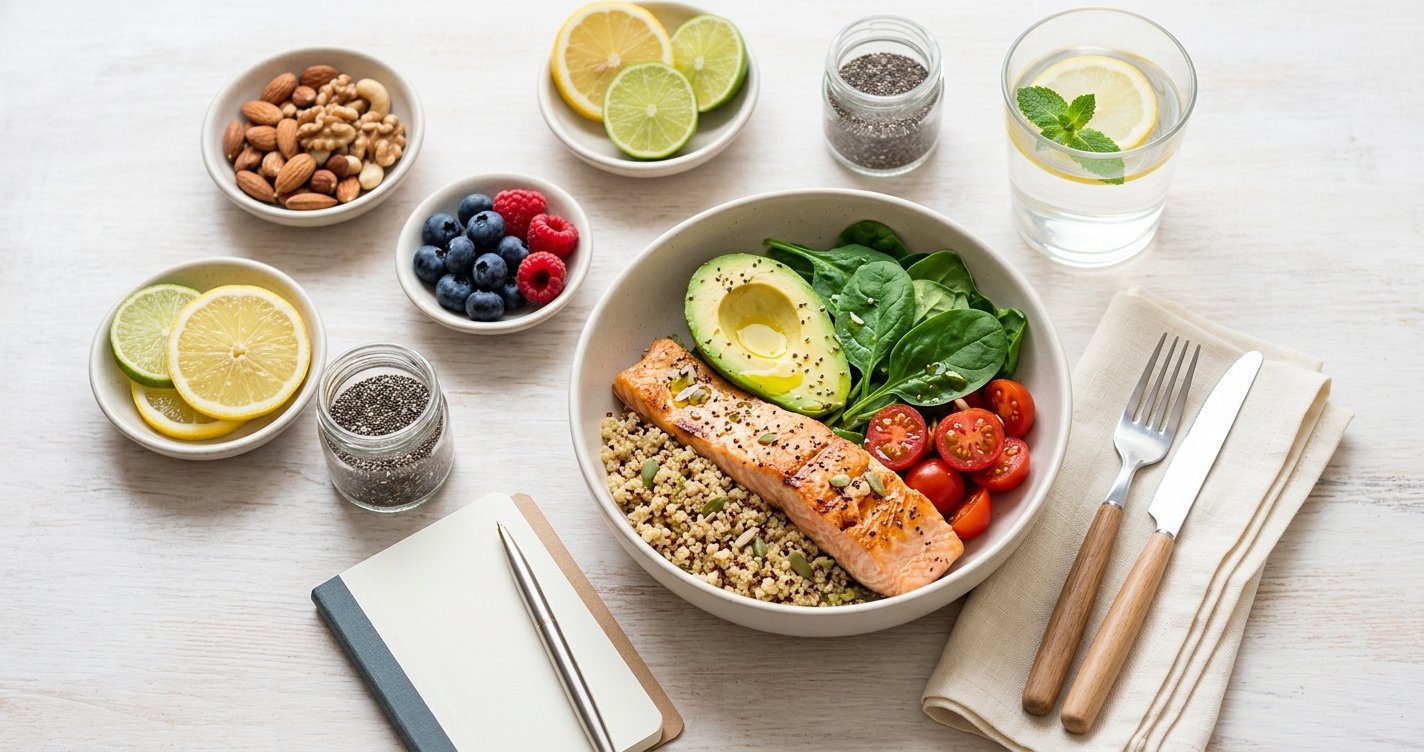
However, fats are calorie-dense, so portion control is key, even with healthy sources. Incorporate sources like avocados, nuts, seeds (chia, flax, hemp), olive oil, and fatty fish (salmon, mackerel) into your diet in moderation. These provide essential fatty acids that support your health while you're working towards your fat loss goals.
Hydration & Mindful Eating: Often Overlooked Pillars
While macros get a lot of attention, two simple yet powerful strategies often fly under the radar: adequate hydration and mindful eating.
The Power of Water
Drinking enough water is vital for overall health and plays a surprisingly important role in fat loss. Water can help you feel fuller, potentially reducing your overall calorie intake. Sometimes, your body can confuse thirst signals with hunger signals, leading you to eat when all you really need is a glass of water. Staying well-hydrated also supports metabolic processes and helps your body function optimally.
Mindful Eating Practices
How you eat is almost as important as what you eat. Mindful eating involves paying attention to your food, your body's hunger and fullness cues, and the experience of eating. This means:
- Eating slowly: It takes about 20 minutes for your stomach to signal to your brain that it's full. Slowing down allows your body to register satiety.
- Savoring your food: Pay attention to the flavors, textures, and aromas.
- Eating without distractions: Turn off the TV, put away your phone. Focus on your meal.
- Listening to your body: Eat when you're truly hungry, and stop when you're comfortably full, not stuffed.
Practicing mindful eating can help you avoid overeating, differentiate between physical hunger and emotional hunger, and build a healthier relationship with food.
Practical Tips for Sustainable Success
Knowledge is power, but action is what truly drives results. Here are some actionable tips to integrate these strategies into your daily life:
- Prioritize Whole, Unprocessed Foods: Focus on foods in their most natural state – fruits, vegetables, lean proteins, whole grains. These are generally more nutrient-dense and satisfying.
- Meal Prepping: Dedicate some time each week to prepare healthy meals and snacks in advance. This saves time and prevents impulsive, unhealthy food choices when hunger strikes.
- Track (If It Helps!): For some, tracking calories and macros for a period can be incredibly insightful for understanding portion sizes and the nutritional content of foods. It's a tool, not a life sentence.
- Embrace Cooking at Home: When you cook your own meals, you have complete control over the ingredients and portion sizes.
- Allow for Flexibility (The 80/20 Rule): Striving for perfection often leads to failure. Aim to eat nutritious, whole foods 80% of the time, and allow yourself some flexibility for treats or social occasions the other 20%. This prevents feelings of deprivation and makes your plan sustainable long-term.
- Be Patient and Consistent: Sustainable fat loss is a marathon, not a sprint. Celebrate small victories, learn from setbacks, and stay consistent with your efforts.
Your Journey to Lasting Fat Loss Starts Now!
Sustainable fat loss isn't about extreme diets or endless restriction. It's about empowering yourself with knowledge, making informed choices, and building healthy habits that nourish your body and mind. By focusing on a moderate calorie deficit, prioritizing protein, choosing smart carbs and healthy fats, staying hydrated, and eating mindfully, you're setting yourself up for success that truly lasts.
Remember, this is your journey. Be kind to yourself, celebrate your progress, and trust the process. You have the power to transform your health and achieve the lasting results you deserve!