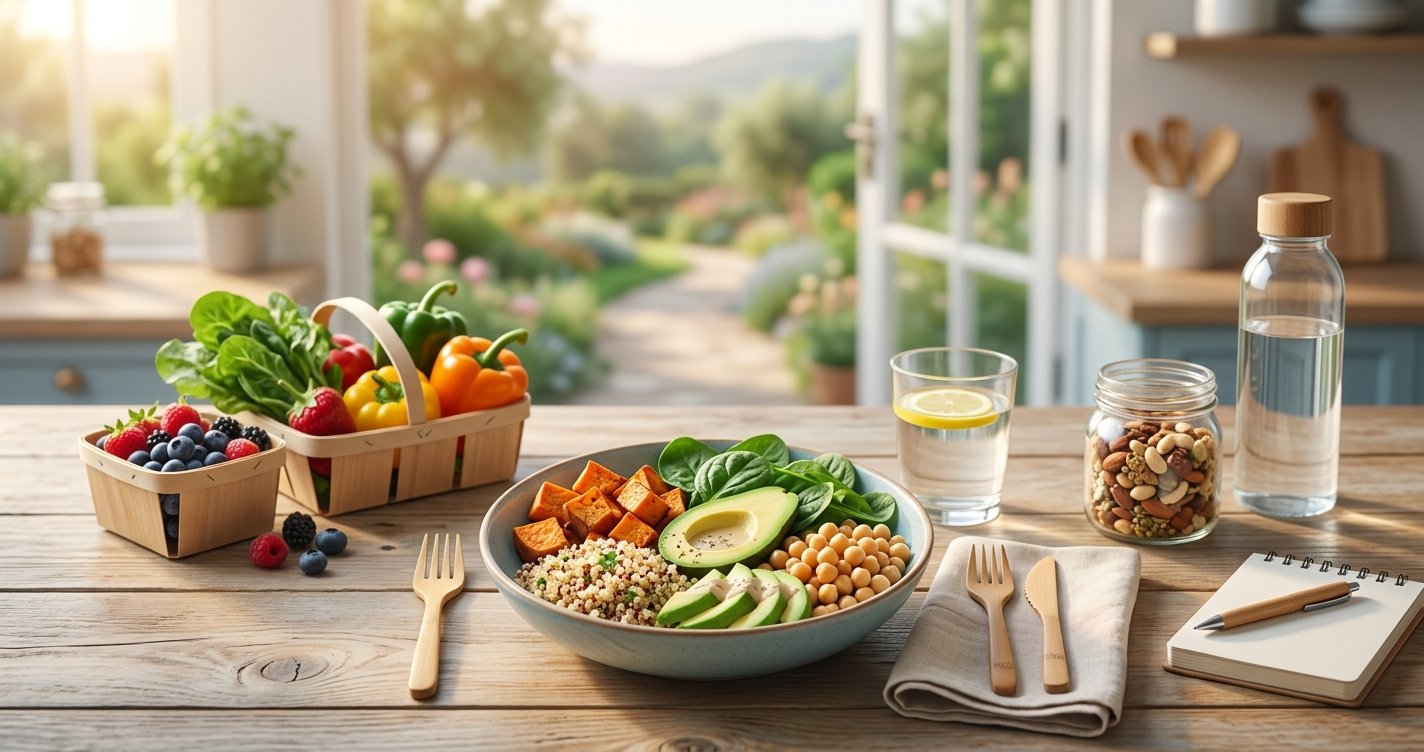
Embarking on a fat loss journey can often feel like navigating a maze of conflicting advice and restrictive diets. We’ve all been there – the allure of a quick fix, only to find ourselves back where we started, feeling frustrated and defeated. But what if we told you there’s a better way? A path that focuses not on deprivation, but on nourishing your body, building sustainable habits, and achieving lasting results without the constant battle?
This isn't about counting every single calorie or cutting out entire food groups forever. It's about understanding how food works with your body, making smart, evidence-based choices, and cultivating a relationship with eating that supports both your fat loss goals and your overall well-being. Get ready to ditch the diet mentality and embrace a sustainable approach to nutrition that will empower you to reach your goals and maintain them for life. this excellent wellness product
Ditching the Diet Mentality: Why Sustainability Matters for Fat Loss
The traditional 'diet' often implies a temporary period of restriction, a sprint to a finish line, after which old habits often creep back in. This cycle of dieting, losing weight, and then regaining it (often more than before) is not only disheartening but also detrimental to your metabolism and mental health. Sustainable fat loss, on the other hand, is about implementing changes you can happily stick with long-term. It’s about building a healthy lifestyle, not just following a temporary meal plan.
When you focus on sustainability, you’re not just aiming for a number on the scale; you’re aiming for better health, more energy, and a positive relationship with food. This means choosing strategies that fit into your real life, that you enjoy, and that don’t leave you feeling deprived or constantly battling cravings. The goal is to make healthy eating feel effortless, not like a chore.
Macronutrients Matter: Fueling Your Body Smartly for Fat Loss
Understanding the role of macronutrients – protein, carbohydrates, and fats – is fundamental to building a sustainable fat loss strategy. Each plays a crucial role in your body's function, energy levels, and satiety.
Protein: Your Fat Loss Powerhouse
If there's one macronutrient to prioritize for fat loss, it's protein. Protein is incredibly satiating, meaning it helps you feel fuller for longer, reducing the likelihood of overeating. It also has a higher thermic effect of food (TEF) compared to carbs and fats, meaning your body burns more calories just to digest and process it. Crucially, adequate protein intake helps preserve lean muscle mass, which is vital for a healthy metabolism, especially when you're in a calorie deficit.
- Key Benefits: Increased satiety, higher calorie burn during digestion, muscle preservation.
- Excellent Sources: Lean meats (chicken breast, turkey), fish (salmon, cod), eggs, dairy (Greek yogurt, cottage cheese), legumes (lentils, beans), tofu, tempeh, protein powder.
- Recommendation: Aim for 0.7-1 gram of protein per pound of your target body weight daily, spread across your meals.
Carbohydrates: Not the Enemy (The Right Ones!)
Carbohydrates have often been unfairly villainized in the fat loss world, but they are your body's primary source of energy. The key is to distinguish between refined, processed carbs and nutrient-dense, complex carbohydrates. Complex carbs, rich in fiber, provide sustained energy, help regulate blood sugar, and contribute to satiety. Refined carbs, on the other hand, often lead to rapid blood sugar spikes and subsequent crashes, leaving you feeling hungry and sluggish.
- Key Benefits: Sustained energy, fiber for digestion, essential nutrients.
- Smart Choices: Whole grains (oats, brown rice, quinoa, whole-wheat bread), fruits (berries, apples, bananas), starchy vegetables (sweet potatoes, corn, peas), non-starchy vegetables (broccoli, spinach, bell peppers).
- Recommendation: Focus on whole, unprocessed sources. The amount will depend on your activity level, but don't be afraid to include them!
Healthy Fats: Essential for Hormones and Satiety
While fats are calorie-dense, they are absolutely crucial for hormone production, nutrient absorption, and overall health. Healthy fats also contribute significantly to satiety, helping you feel satisfied after meals. The trick is to choose the right types of fats and practice portion control.
- Key Benefits: Hormone regulation, nutrient absorption, increased satiety.
- Healthy Sources: Avocados, nuts (almonds, walnuts), seeds (chia, flax, pumpkin), olive oil, fatty fish (salmon, mackerel).
- Recommendation: Incorporate small amounts of healthy fats into each meal. A quarter of an avocado, a small handful of nuts, or a tablespoon of olive oil can go a long way.
The Power of Portion Control and Mindful Eating
Understanding macronutrients is one thing, but how much of each should you eat? This is where portion control comes in. You don't need to meticulously weigh every gram of food. Simple visual cues can be incredibly effective.
- Protein: A portion about the size of your palm.
- Carbohydrates (grains/starches): A cupped hand.
- Fats: A thumb-sized portion.
- Vegetables: As much as you want! Aim for at least two fist-sized portions per meal.
Beyond portion sizes, cultivating mindful eating habits can revolutionize your relationship with food. Mindful eating involves paying attention to your body's hunger and fullness cues, slowing down, savoring each bite, and eating without distractions. This practice helps you truly enjoy your food and recognize when you've had enough, preventing unintentional overeating.
Hydration and Fiber: The Often-Overlooked Allies in Fat Loss
While not macronutrients, water and fiber are two critical components that play a massive, often underestimated, role in successful fat loss.
Water: The Unsung Hero of Metabolism
Staying adequately hydrated is fundamental for every bodily function, including metabolism. Water can also act as a natural appetite suppressant; sometimes, thirst is mistaken for hunger. Drinking water before meals can help you feel fuller, leading to reduced calorie intake. Make it a habit to sip water throughout the day.
- Tip: Keep a water bottle handy. Add a slice of lemon or cucumber for flavor if plain water isn't your favorite.
Fiber: For Gut Health and Fullness
Fiber is a type of carbohydrate that your body can't digest, but it's incredibly important. It adds bulk to your meals, promoting feelings of fullness and aiding in healthy digestion. It also helps regulate blood sugar levels, preventing spikes and crashes that can lead to cravings.
- Key Benefits: Increased satiety, improved digestion, blood sugar regulation.
- Rich Sources: Whole grains, fruits (especially with skins), vegetables, legumes, nuts, and seeds.
Smart Snacking and Strategic Meal Planning for Consistency
Consistency is king when it comes to sustainable fat loss. Random, unplanned eating often leads to suboptimal choices. This is where smart snacking and meal planning become invaluable tools.
Smart Snack Choices
Snacks aren't inherently bad, but they should serve a purpose – either to bridge the gap between meals and prevent extreme hunger or to provide an extra boost of nutrients. Focus on snacks that are high in protein and/or fiber to maximize satiety.
- Healthy Snack Ideas: Greek yogurt with berries, a handful of almonds, an apple with a tablespoon of peanut butter, cottage cheese with sliced veggies, a hard-boiled egg.
The Art of Meal Prep
Preparing some of your meals or components in advance can significantly reduce decision fatigue and the temptation to grab unhealthy options when hunger strikes. Dedicate an hour or two each week to prepping.
- Meal Prep Tips: Cook a batch of lean protein (chicken, ground turkey), chop vegetables, cook a grain (quinoa, brown rice), and portion out snacks.
Flexibility and Enjoyment: The Keys to Long-Term Success
A truly sustainable approach to fat loss must include flexibility and enjoyment. The 80/20 rule (eating nutritiously 80% of the time and allowing for more indulgent choices 20% of the time) is a great guideline. This prevents feelings of deprivation and makes your eating plan feel less like a 'diet' and more like a lifestyle.
Remember, food is also about pleasure, social connection, and cultural experience. Don't let your fat loss journey strip away the joy of eating. Find ways to incorporate your favorite foods in moderation, learn to cook healthier versions of beloved dishes, and enjoy meals with friends and family without guilt.
Your Sustainable Path to a Healthier You
Sustainable fat loss isn't about perfection; it's about progress, patience, and persistence. By focusing on whole, nutrient-dense foods, prioritizing protein and fiber, staying hydrated, practicing mindful eating, and allowing for flexibility, you're not just losing weight – you're building a healthier, happier, and more energetic life.
Start small, implement one or two changes at a time, and celebrate every victory along the way. Your journey to sustainable fat loss is a marathon, not a sprint, and with these strategies, you're well-equipped to cross the finish line and stay there!