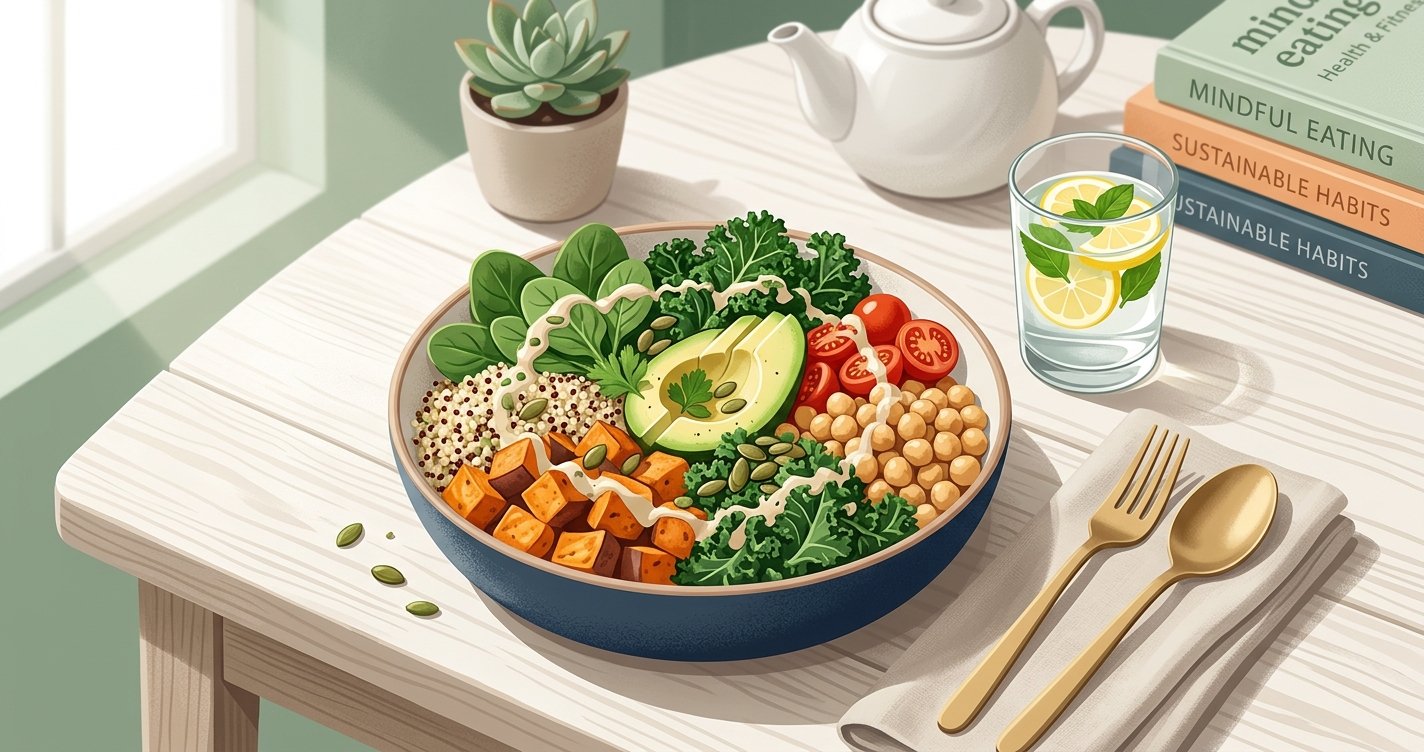
Beyond Diets: Sustainable Nutrition Strategies for Lasting Fat Loss
Are you tired of the endless cycle of restrictive diets, quick fixes, and the inevitable rebound? You're not alone. Many people embark on a fat loss journey with enthusiasm, only to find themselves frustrated and demotivated when the results don't last. The truth is, sustainable fat loss isn't about deprivation; it's about adopting nutrition strategies that you can comfortably maintain for life. It’s about building healthy habits, understanding your body, and making informed choices that support your goals without sacrificing your joy for food.
This isn't another fad diet article. This is your guide to building a foundation of evidence-based, friendly, and encouraging nutritional practices that will help you shed fat effectively and keep it off. Let's ditch the temporary fixes and embrace a lifestyle that truly works for you. this excellent wellness product
Beyond Quick Fixes: Why Sustainability Matters for Fat Loss
The diet industry often thrives on promising rapid results, but these extreme approaches are rarely sustainable. They often lead to nutrient deficiencies, metabolic slowdowns, and a strained relationship with food. Sustainable fat loss, on the other hand, focuses on gradual, consistent progress through habits you can integrate into your daily life without feeling constantly deprived or overwhelmed. When you choose sustainability, you're not just losing weight; you're building a healthier, happier you for the long run. This approach fosters a positive mindset, reduces stress, and makes your fat loss journey a much more enjoyable and successful experience.
The Calorie Deficit: Your Non-Negotiable Foundation for Fat Loss
At its core, fat loss boils down to one fundamental principle: consuming fewer calories than your body expends. This is known as creating a calorie deficit. Without it, your body simply won't tap into its stored fat reserves for energy. However, 'deficit' doesn't mean starvation. A modest, consistent deficit of 300-500 calories per day is generally recommended for healthy, sustainable fat loss, aiming for a loss of 1-2 pounds per week. This allows your body to adapt without triggering extreme hunger or metabolic slowdowns.
Calculating Your Personal Deficit (Simply)
While precise calculations can be complex, a good starting point is to estimate your Basal Metabolic Rate (BMR) – the calories your body burns at rest – and then add your activity level to get your Total Daily Energy Expenditure (TDEE). Many online calculators can help with this. Once you have your TDEE, subtract 300-500 calories to find your target intake for fat loss. Remember, this is an estimate, and listening to your body's hunger cues and monitoring your progress are key.
Fueling Your Body Right: Macronutrient Mastery for Fat Loss
While calories are king for fat loss, the source of those calories matters immensely for satiety, muscle preservation, and overall health. Let's break down the macronutrients.
Protein Power: Your Fat Loss Ally
Protein is arguably the most crucial macronutrient for fat loss. It's highly satiating, meaning it keeps you feeling fuller for longer, reducing the likelihood of overeating. Furthermore, protein has a higher thermic effect of food (TEF) than carbs or fats, meaning your body burns more calories digesting it. Crucially, adequate protein intake helps preserve lean muscle mass during a calorie deficit, which is vital for maintaining a healthy metabolism. Aim for 0.7-1 gram of protein per pound of body weight, spread throughout your meals. Excellent sources include lean meats, poultry, fish, eggs, dairy, legumes, and tofu.
The Truth About Carbs: Smart Choices Matter
Carbohydrates often get a bad rap, but they are your body's primary energy source. The key is choosing the right kind. Focus on complex carbohydrates rich in fiber, such as whole grains (oats, quinoa, brown rice), fruits, and vegetables. These digest slowly, providing sustained energy, preventing blood sugar spikes, and contributing to satiety. Limit refined carbohydrates like white bread, sugary drinks, and pastries, which offer little nutritional value and can contribute to energy crashes and increased cravings.
Healthy Fats: Don't Fear Them for Fat Loss!
Despite being calorie-dense, healthy fats are essential for hormone production, nutrient absorption, and satiety. They slow down digestion, helping you feel fuller and more satisfied after meals. Incorporate sources like avocados, nuts, seeds, olive oil, and fatty fish (salmon, mackerel) into your diet in moderation. These fats are crucial for overall health and can play a significant role in making your fat loss journey more sustainable and enjoyable.
The Power of Whole Foods: Nature's Best for Sustainable Fat Loss
One of the simplest yet most profound shifts you can make for sustainable fat loss is prioritizing whole, unprocessed foods. Think about it: an apple has significantly more fiber, vitamins, and minerals than apple juice, and it keeps you fuller for longer. Whole foods are naturally nutrient-dense and often lower in calories per serving compared to their processed counterparts, which are typically loaded with added sugars, unhealthy fats, and artificial ingredients that can sabotage your efforts.
- Focus on: Fresh fruits and vegetables, lean proteins, whole grains, nuts, seeds, and healthy oils.
- Limit: Packaged snacks, fast food, sugary beverages, and foods with long ingredient lists you can't pronounce.
Hydration and Fiber: The Unsung Heroes of Fat Loss
Don't underestimate the power of these two often-overlooked components.
Water: Your Body's Best Friend
Staying adequately hydrated is fundamental for overall health and plays a surprising role in fat loss. Water can help you feel fuller, potentially reducing your overall calorie intake. Sometimes, thirst can be mistaken for hunger. Aim for 8-10 glasses of water daily, and consider having a glass before meals to aid satiety.
Fiber: The Digestive Dynamo
Fiber, found abundantly in fruits, vegetables, whole grains, and legumes, is a true superstar for fat loss. It adds bulk to your meals, promoting feelings of fullness and aiding digestion. Soluble fiber, in particular, forms a gel-like substance in your gut, slowing nutrient absorption and helping to stabilize blood sugar levels. Aim for 25-35 grams of fiber per day to support your fat loss goals and gut health.
Mindful Eating and Portion Control: Listening to Your Body
Beyond what you eat, how you eat matters for sustainable fat loss. Mindful eating is about paying attention to your food, recognizing your body's hunger and fullness cues, and savoring the experience. It helps prevent mindless overeating and fosters a healthier relationship with food.
- Eat Slowly: It takes about 20 minutes for your brain to register that you're full.
- Chew Thoroughly: Enjoy the flavors and textures.
- Eliminate Distractions: Turn off the TV, put away your phone.
- Listen to Your Body: Eat when you're hungry, stop when you're satisfied, not stuffed.
Coupled with mindful eating, learning effective portion control is essential. You don't need to meticulously weigh everything forever, but initially, understanding appropriate serving sizes can be incredibly helpful. Use smaller plates, measure out calorie-dense foods, and pay attention to visual cues.
Practical Strategies for Long-Term Fat Loss Success
Knowledge is power, but application is what truly drives results. Here are some actionable strategies:
Meal Planning & Prep for Consistency
One of the biggest hurdles to healthy eating is lack of preparation. Dedicate some time each week to plan your meals and prepare components in advance. This could mean chopping vegetables, cooking a batch of grains, or portioning out proteins. Having healthy options readily available dramatically increases your chances of sticking to your plan, especially during busy weekdays.
Smart Snacking for Energy and Satiety
Snacks aren't inherently bad; they can be a great tool to manage hunger and prevent overeating at main meals. Choose nutrient-dense snacks like a piece of fruit with a handful of nuts, Greek yogurt, vegetable sticks with hummus, or a hard-boiled egg. Avoid highly processed, sugary snacks that offer fleeting satisfaction.
Navigating Social Situations with Confidence
Eating out or attending social gatherings doesn't have to derail your fat loss efforts. Plan ahead: look at menus online, choose leaner options, and don't be afraid to ask for modifications (e.g., dressing on the side). Focus on enjoying the company, and remember that one meal won't undo all your progress. Get back on track with your next meal.
Patience and Consistency: The Ultimate Ingredients for Lasting Fat Loss
Sustainable fat loss is a marathon, not a sprint. There will be days when you feel discouraged, or when progress seems slow. This is normal. The key is consistency over perfection. Focus on building habits that you can maintain day in and day out, even when motivation wanes. Celebrate small victories, learn from setbacks, and be kind to yourself throughout the process. Your body responds best to consistent, gradual changes, not drastic overhauls.
Embrace Your Journey to Lasting Fat Loss
Embarking on a journey of sustainable nutrition for fat loss is one of the most empowering decisions you can make for your health. By focusing on whole foods, adequate protein, smart carbohydrate and fat choices, hydration, fiber, and mindful eating, you're not just losing fat; you're building a foundation for a healthier, more vibrant life. Remember, progress isn't linear, but with patience, consistency, and a friendly, evidence-based approach, you can achieve lasting results and feel fantastic in your own skin. Start today, one healthy choice at a time!