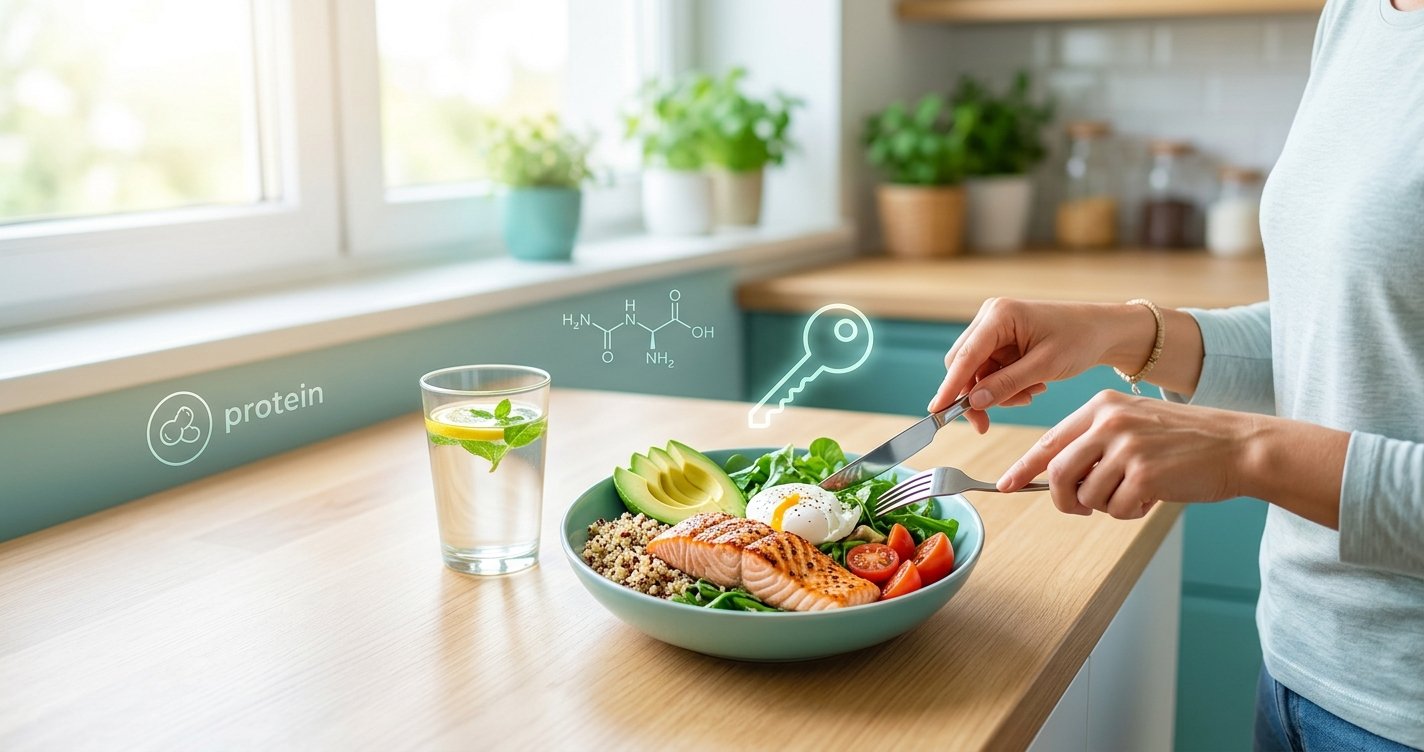
Tired of the Fat Loss Rollercoaster? Discover Your Secret Weapon!
Losing weight can feel like an uphill battle, full of confusing advice and frustrating plateaus. You’ve probably heard countless tips, from cutting carbs to doing endless cardio. But what if there was one nutritional powerhouse that could make your fat loss journey smoother, more sustainable, and genuinely more effective? Enter protein – not just for bodybuilders, but for anyone looking to shed unwanted fat and feel their best.
In this friendly, evidence-based guide, we're going to dive deep into why protein is your ultimate ally in the quest for sustainable fat loss. We'll uncover the science, debunk common myths, and provide actionable tips to help you harness its incredible power. Get ready to transform your approach to eating and achieve the results you've been working so hard for! this excellent wellness product
Why Protein is Your Fat Loss MVP (Most Valuable Player)
When it comes to losing fat, many people focus solely on restricting calories. While a calorie deficit is fundamental, how you achieve that deficit and what you eat within it makes all the difference. This is where protein shines. It’s not just a building block for muscles; it plays a crucial, multi-faceted role in helping you burn fat, stay full, and maintain a healthy metabolism.
Think of protein as the MVP of your plate. It works smarter, not just harder, to support your body's fat-burning capabilities. Let's break down the scientific reasons why it deserves a prime spot in your diet.
The Science Behind Protein's Fat-Loss Power
Protein isn't just filling; it actively works with your body in several powerful ways to facilitate fat loss. Understanding these mechanisms can empower you to make more informed dietary choices.
1. Satiety: Feeling Fuller, Longer
One of the biggest challenges when trying to lose fat is managing hunger. Cravings and constant hunger pangs can derail even the most determined efforts. This is where protein truly excels. Protein has a profound impact on satiety – the feeling of fullness and satisfaction after a meal.
Studies consistently show that protein is more satiating than carbohydrates or fats. This is partly due to its effect on various hunger-regulating hormones. For instance, protein helps reduce levels of ghrelin (the 'hunger hormone') and increases levels of GLP-1 and PYY (hormones that signal fullness to your brain). This means that a protein-rich meal will keep you feeling satisfied for longer, reducing the likelihood of overeating or snacking unnecessarily between meals. By naturally curbing your appetite, protein makes sticking to a calorie deficit much easier and more comfortable.
2. Thermogenesis: The Calorie-Burning Effect (TEF)
Did you know that your body burns calories just to digest, absorb, and process the food you eat? This is known as the Thermic Effect of Food (TEF). And guess which macronutrient has the highest TEF?
That's right, protein! Your body expends significantly more energy to process protein compared to carbohydrates or fats. While carbohydrates have a TEF of 5-10% and fats around 0-3%, protein boasts a TEF of 20-30%. This means that for every 100 calories of protein you consume, your body uses 20-30 of those calories just to process it. In essence, eating protein gives your metabolism a small, but consistent, boost throughout the day, contributing to your overall calorie expenditure and making fat loss more efficient.
3. Muscle Preservation: Protecting Your Metabolism
When you're in a calorie deficit, your body doesn't just burn fat; it can also start breaking down muscle tissue for energy. This is problematic because muscle is metabolically active – it burns more calories at rest than fat tissue does. Losing muscle means your resting metabolic rate (RMR) decreases, making it harder to lose weight and easier to regain it in the future.
A higher protein intake is crucial for preserving lean muscle mass during a calorie deficit. Protein provides the essential amino acids your body needs to repair and build muscle, signaling to your body to hold onto that valuable muscle tissue even while you're shedding fat. By protecting your muscle mass, protein helps maintain a higher metabolic rate, making your fat loss sustainable and preventing the dreaded metabolic slowdown often associated with dieting.
How Much Protein Do You Really Need?
The exact amount of protein you need can vary based on your body weight, activity level, and specific goals. However, for individuals aiming for fat loss, the recommendations are generally higher than the standard dietary guidelines.
Most evidence suggests that consuming between 1.6 to 2.2 grams of protein per kilogram of body weight (or 0.7 to 1 gram per pound of body weight) per day is optimal for muscle preservation and satiety during a calorie deficit. For example, a person weighing 70 kg (about 154 lbs) might aim for 112-154 grams of protein daily.
It's important to distribute your protein intake throughout the day, aiming for 20-40 grams per meal, to maximize muscle protein synthesis and satiety. Don't worry if these numbers seem high at first; we'll cover practical ways to achieve them.
Sources of Protein: Making Smart Choices
Incorporating more protein into your diet doesn't have to be boring or complicated. There's a wide variety of delicious and nutritious protein sources to choose from, catering to different dietary preferences.
Animal-Based Proteins:
- Lean Meats: Chicken breast, turkey, lean cuts of beef, pork loin.
- Fish and Seafood: Salmon, tuna, cod, shrimp – excellent sources of protein and often healthy fats.
- Eggs: A complete protein, versatile, and affordable.
- Dairy: Greek yogurt, cottage cheese, milk, and cheese are packed with protein and calcium.
Plant-Based Proteins:
- Legumes: Lentils, black beans, chickpeas, kidney beans.
- Soy Products: Tofu, tempeh, edamame.
- Grains: Quinoa (a complete protein), oats.
- Nuts and Seeds: Almonds, peanuts, chia seeds, flax seeds, pumpkin seeds.
- Protein Powders: Whey, casein, soy, pea, or rice protein powders can be convenient supplements to boost your intake, especially post-workout or for busy mornings.
Practical Tips for Boosting Your Protein Intake
Now that you understand the 'why' and 'what,' let's get into the 'how.' Here are some simple, actionable strategies to effortlessly increase your protein intake throughout the day:
- Start Your Day with Protein: Instead of sugary cereals or toast, opt for eggs, Greek yogurt, cottage cheese, or a protein smoothie. This sets a satiating tone for the rest of your day.
- Include Protein at Every Meal: Make protein the centerpiece of your lunch and dinner. Aim for a palm-sized portion of lean meat, fish, or plant-based alternative.
- Smart Snacking: Replace carb-heavy snacks with protein-rich options like a handful of almonds, a hard-boiled egg, cheese sticks, or a small container of Greek yogurt.
- Plan Ahead: Meal prepping can be a game-changer. Cook a batch of chicken breast or lentils at the beginning of the week to easily add to meals.
- Don't Forget Your Veggies: While not primary protein sources, some vegetables like broccoli, spinach, and peas contribute a small amount of protein and are packed with fiber and micronutrients.
- Read Food Labels: Get into the habit of checking the protein content on packaged foods. You might be surprised by how much (or how little) protein is in some of your go-to items.
Beyond Protein: A Holistic Approach to Sustainable Fat Loss
While protein is an incredibly powerful tool, it's part of a larger picture. Sustainable fat loss is achieved through a holistic approach that includes:
- Consistent Calorie Deficit: Remember, protein makes achieving this easier, but you still need to consume fewer calories than you burn.
- Strength Training: Pairing a high-protein diet with regular strength training is the ultimate combination for building and preserving muscle, further boosting your metabolism.
- Hydration: Drinking plenty of water is essential for overall health and can also help with satiety.
- Adequate Sleep: Poor sleep can disrupt hunger hormones and lead to increased cravings.
- Stress Management: Chronic stress can impact hormones that promote fat storage, especially around the midsection.
- Balanced Diet: Don't forget healthy fats and plenty of fiber-rich fruits and vegetables for micronutrients and overall well-being.
Your Journey to Sustainable Fat Loss Starts Now!
You now have the knowledge and tools to leverage the incredible power of protein for your fat loss goals. It's not about quick fixes or deprivation; it's about making smart, evidence-based choices that support your body's natural ability to burn fat and build a healthier you.
Remember, consistency is key. Start by making small, manageable changes to increase your protein intake, and be patient with yourself. Celebrate small victories, listen to your body, and enjoy the process of nourishing yourself towards a stronger, leaner, and more vibrant future. Your sustainable fat loss journey, powered by protein, is just beginning!