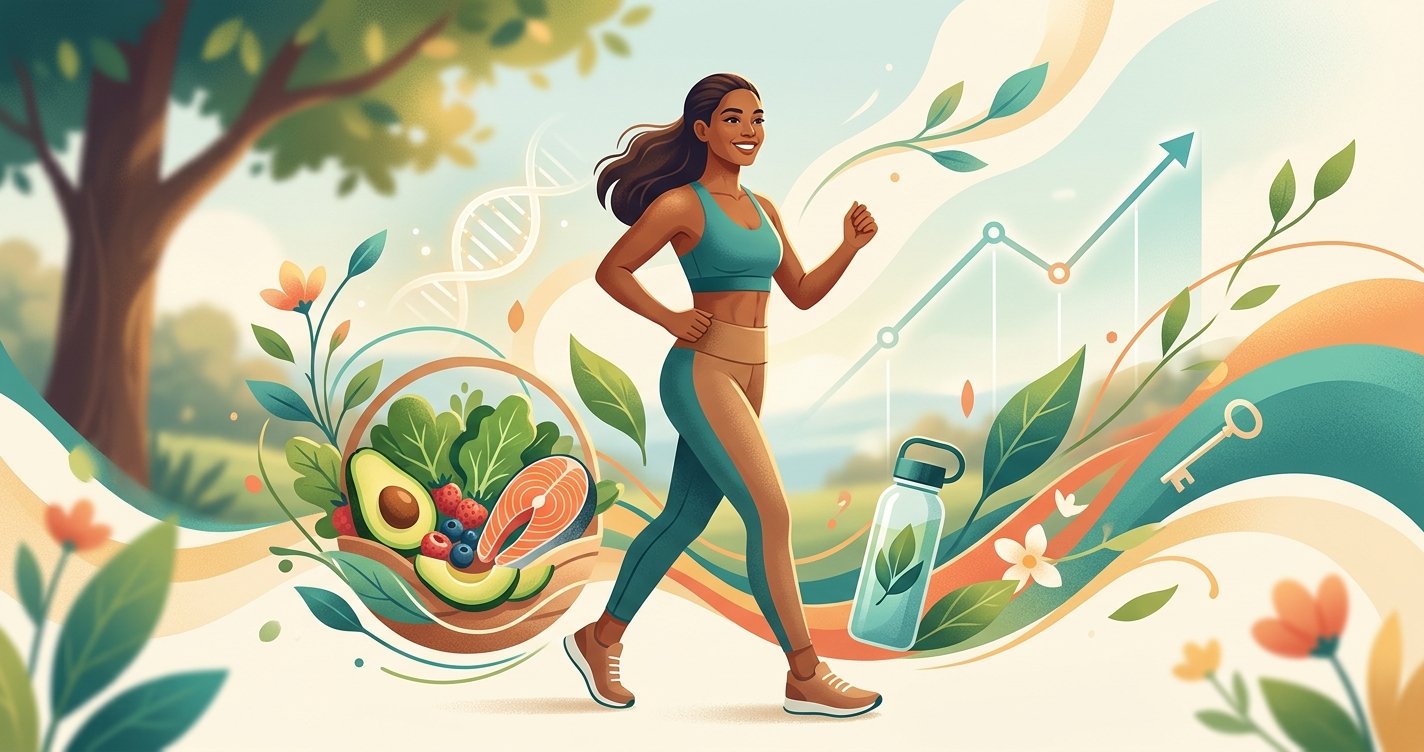
Unlock Sustainable Fat Loss: Your Evidence-Based Guide to Lasting Results
Tired of the diet rollercoaster? The endless cycles of restriction, rapid weight loss, and then, inevitably, regaining it all back? You're not alone. In a world saturated with quick fixes, detoxes, and miracle pills, it's easy to feel overwhelmed and discouraged. But what if we told you that sustainable fat loss isn't about deprivation or extreme measures, but rather about understanding your body, making smart, evidence-based choices, and cultivating habits that last a lifetime?
This isn't another fad diet pitch. Instead, we're diving deep into the science-backed principles that truly drive fat loss and, more importantly, help you keep it off. We'll explore practical, friendly, and encouraging strategies that empower you to take control of your health and achieve the lasting results you deserve. Let's ditch the frustration and embrace a journey toward a healthier, happier you! this excellent wellness product
The Foundation: Why a Calorie Deficit is Non-Negotiable
At its core, fat loss boils down to one fundamental principle: energy balance. To lose fat, you must consistently consume fewer calories than your body expends. This creates a "calorie deficit." Think of your body as a car: if you put less fuel in than you burn, your car will start using its stored reserves (in this case, body fat) for energy.
This isn't about starvation or extreme restriction; it's about creating a gentle, manageable deficit that your body can sustain without feeling deprived or going into "survival mode." A common recommendation is to aim for a deficit of 300-500 calories per day. This allows for steady, sustainable fat loss (typically 0.5-1 kg or 1-2 pounds per week) without negatively impacting your metabolism or energy levels.
How to Create a Gentle Deficit:
- Track Your Intake (Initially): For a few days, use an app to track everything you eat and drink. This provides a realistic baseline of your current calorie intake.
- Calculate Your Maintenance: Use an online TDEE (Total Daily Energy Expenditure) calculator as a starting point to estimate how many calories you need to maintain your current weight.
- Subtract for Your Deficit: From your estimated maintenance calories, subtract 300-500 calories to find your target intake for fat loss.
- Adjust and Be Patient: Your body is unique. Monitor your progress and adjust your intake as needed. Remember, consistency over perfection!
Fueling Your Body: The Power of Protein and Whole Foods
While a calorie deficit is key, what you eat within that deficit is crucial for optimizing fat loss, preserving muscle, and feeling satisfied. This is where protein and whole, minimally processed foods shine.
Why Protein is Your Fat Loss Friend:
- Satiety: Protein is the most satiating macronutrient, meaning it keeps you feeling fuller for longer, reducing cravings and overall calorie intake.
- Muscle Preservation: When in a calorie deficit, your body can break down muscle for energy. Adequate protein intake helps protect your hard-earned muscle mass, which is vital for a healthy metabolism.
- Thermic Effect of Food (TEF): Your body burns more calories digesting protein compared to carbs or fats. This small boost adds up!
Aim for 1.6-2.2 grams of protein per kilogram of body weight daily, distributed across your meals. Good sources include lean meats, poultry, fish, eggs, dairy, legumes, and protein supplements.
Smart Carb and Fat Choices:
Don't fear carbohydrates or fats! They are essential for energy, hormone production, and nutrient absorption. The key is choosing quality sources:
- Complex Carbohydrates: Focus on fiber-rich options like whole grains (oats, quinoa, brown rice), fruits, and vegetables. These provide sustained energy, essential nutrients, and contribute to satiety.
- Healthy Fats: Incorporate sources like avocados, nuts, seeds, olive oil, and fatty fish. These are crucial for hormone health and nutrient absorption.
- Limit Processed Foods: Highly processed foods are often calorie-dense, nutrient-poor, and engineered to be hyper-palatable, making it easy to overeat. Prioritize whole, single-ingredient foods as much as possible.
Hydration & Fiber: Your Unsung Fat Loss Heroes
Often overlooked, water and fiber play significant roles in your fat loss journey and overall health.
- Water, Water Everywhere: Staying well-hydrated is essential. Water can help you feel fuller, support metabolic processes, and prevent you from confusing thirst with hunger. Aim for 2-3 liters (8-12 glasses) per day, more if you're active or in a hot climate.
- Fabulous Fiber: Fiber adds bulk to your diet without adding many calories. It slows digestion, helps regulate blood sugar, and promotes a healthy gut microbiome, all of which contribute to satiety and metabolic health. Load up on fruits, vegetables, legumes, and whole grains.
Beyond the Plate: Lifestyle Factors for Fat Loss
Fat loss isn't just about what you eat; it's deeply intertwined with your overall lifestyle. Neglecting these areas can sabotage even the most diligent dietary efforts.
The Critical Role of Sleep:
Poor sleep can wreak havoc on your hormones, making fat loss significantly harder. It increases ghrelin (the hunger hormone) and decreases leptin (the satiety hormone), leading to increased cravings and appetite. It also elevates cortisol, a stress hormone linked to increased belly fat.
- Aim for 7-9 hours of quality sleep per night.
- Establish a consistent sleep schedule.
- Create a relaxing bedtime routine.
- Limit screen time before bed.
Managing Stress for a Healthier You:
Chronic stress, like lack of sleep, keeps cortisol levels elevated. This can promote fat storage, especially around the midsection, and often leads to stress-eating or emotional eating. Finding healthy ways to manage stress is paramount.
- Practice mindfulness or meditation.
- Engage in hobbies you enjoy.
- Spend time in nature.
- Connect with loved ones.
- Consider journaling or deep breathing exercises.
Movement Matters: NEAT and Exercise:
While structured exercise is beneficial, your Non-Exercise Activity Thermogenesis (NEAT) – the calories you burn from daily activities like walking, standing, and fidgeting – plays a huge role in your overall energy expenditure.
- Increase NEAT: Take the stairs, park further away, stand more, take short walking breaks throughout the day.
- Structured Exercise: Incorporate a mix of strength training (2-4 times per week to build and preserve muscle) and cardiovascular exercise (for heart health and additional calorie burn). You don't need to live in the gym; find activities you genuinely enjoy!
Mindset, Consistency, and Patience: The Real "Secret"
Perhaps the most crucial, yet often overlooked, aspect of sustainable fat loss is your mindset. Fat loss is rarely a linear journey. There will be plateaus, fluctuations, and days where you feel like giving up. This is normal.
- Focus on Habits, Not Just the Scale: The number on the scale is just one metric. Celebrate non-scale victories like increased energy, better sleep, stronger lifts, or clothes fitting better.
- Be Consistent, Not Perfect: One "off" meal or day won't derail your progress. Get back on track with your next meal or workout. Consistency over weeks and months is what truly matters.
- Embrace Patience: Sustainable fat loss takes time. Your body needs time to adapt, and healthy habits need time to solidify. Trust the process and be kind to yourself. This is a journey of self-improvement, not self-punishment.
Your Sustainable Fat Loss Journey Starts Now
Achieving sustainable fat loss isn't about chasing fleeting trends; it's about making informed, consistent choices that nourish your body and support your well-being. By focusing on a gentle calorie deficit, prioritizing protein and whole foods, staying hydrated, managing stress, getting enough sleep, and moving your body, you're building a foundation for lasting success.
Remember, this is your unique journey. Start small, celebrate every step, and stay committed to the process. You have the power to transform your health and achieve the vibrant, energetic life you truly desire. Which small, positive change will you make today?