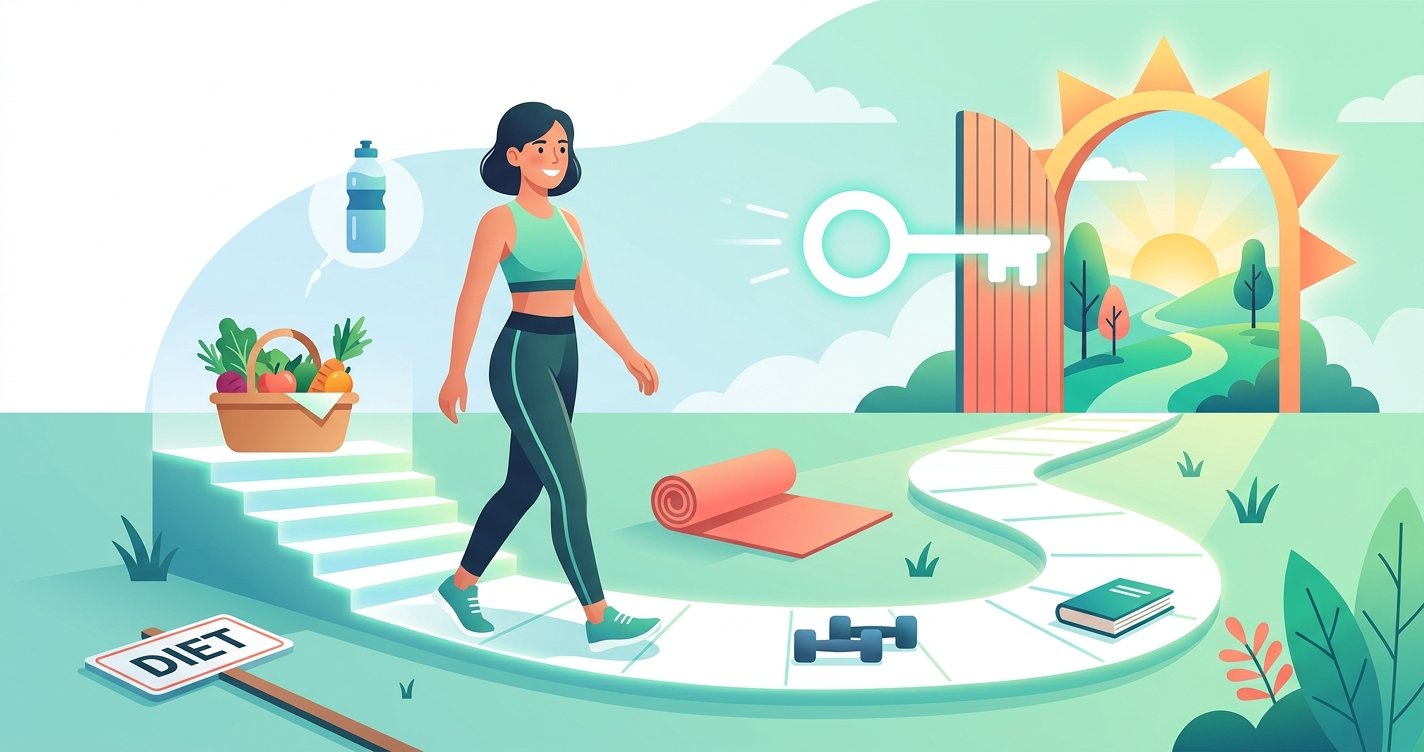
Are you tired of the endless cycle of restrictive diets, quick fixes, and the inevitable rebound weight gain? Many people embark on a fat loss journey with immense enthusiasm, only to find themselves frustrated and demotivated when the initial progress stalls or the weight creeps back. The truth is, sustainable fat loss isn't about deprivation; it's about building healthy, consistent habits that become a natural part of your life. It's a journey of self-discovery, patience, and embracing a lifestyle that supports your well-being, not just a temporary number on the scale. If you're ready to break free from the diet mentality and create lasting change, you've come to the right place. Let's explore how to achieve sustainable fat loss by focusing on habits that truly stick.
Why Quick Fixes Fail: The Cycle of Deprivation and Rebound
The allure of rapid weight loss is powerful. Promises of shedding significant pounds in a short period often lead people to extreme diets that severely restrict calories or cut out entire food groups. While these methods might yield initial results, they are rarely sustainable. Here's why they often backfire: this excellent wellness product
- Metabolic Adaptation: Your body is incredibly smart. When you drastically reduce calorie intake, your metabolism can slow down to conserve energy, making further fat loss harder.
- Nutrient Deficiencies: Restrictive diets can lead to a lack of essential vitamins and minerals, impacting energy levels, mood, and overall health.
- Psychological Toll: Constant hunger, cravings, and the feeling of deprivation can lead to irritability, poor focus, and an unhealthy relationship with food. This often culminates in binge eating and a sense of failure.
- Lack of Long-Term Skills: Quick fixes don't teach you how to eat healthily in the real world, how to manage social situations, or how to deal with stress without resorting to food. Once the 'diet' ends, old habits quickly return.
Understanding these pitfalls is the first step towards embracing a more sustainable, habit-based approach.
The Cornerstone: Mastering Your Nutrition (Without Starving Yourself)
Nutrition is arguably the most critical component of fat loss. But 'mastering' it doesn't mean eating perfectly; it means making informed, consistent choices.
Calorie Deficit: The Non-Negotiable Truth
At its core, fat loss requires a calorie deficit – consuming fewer calories than your body burns. However, the key to sustainability is a *moderate* deficit. Aim for a deficit of 300-500 calories per day, which typically leads to a healthy and sustainable loss of 1-2 pounds per week. You don't need to starve; you just need to be mindful. Tools like food diaries or apps can help you track your intake initially, but the goal is to develop an intuitive understanding of portion sizes and calorie density over time.
Prioritize Protein: Your Satiety and Muscle Ally
Protein is a powerhouse for fat loss. It's the most satiating macronutrient, meaning it keeps you feeling fuller for longer, reducing the urge to snack. Furthermore, protein helps preserve muscle mass during a calorie deficit, which is crucial because muscle burns more calories at rest than fat. Aim for 0.7-1 gram of protein per pound of body weight. Incorporate lean protein sources like chicken breast, fish, eggs, Greek yogurt, lentils, and beans into every meal.
Embrace Whole Foods: Fueling Your Body Right
Focus on nutrient-dense, minimally processed whole foods. Fruits, vegetables, whole grains (oats, quinoa, brown rice), and healthy fats (avocado, nuts, seeds) provide essential vitamins, minerals, and fiber. Fiber is particularly important as it adds bulk to your meals, aiding satiety and digestive health. These foods keep you energized and nourished, preventing cravings that arise from nutrient deficiencies.
Hydration is Key
Don't underestimate the power of water. Staying well-hydrated can help with satiety, boost metabolism slightly, and ensure all your bodily functions are running optimally. Sometimes, thirst can be mistaken for hunger, so try drinking a glass of water before reaching for a snack.
Move Your Body, Strengthen Your Resolve: The Role of Exercise
While nutrition takes the lead, exercise is an indispensable partner in sustainable fat loss. It improves body composition, boosts metabolism, enhances mood, and strengthens your body.
Strength Training: Your Fat-Burning Secret Weapon
Many people mistakenly believe that endless cardio is the only way to lose fat. However, strength training is incredibly effective. Building muscle increases your resting metabolic rate, meaning you burn more calories even when you're not exercising. It also helps sculpt your body and gives you a stronger, more toned physique. Aim for 2-3 full-body strength training sessions per week. You can use weights, resistance bands, or even just your body weight.
Cardio for Heart Health and Calorie Burn
Cardiovascular exercise, such as brisk walking, jogging, cycling, or swimming, is excellent for heart health and contributes to your daily calorie expenditure. It can also be a fantastic stress reliever. Incorporate 150-300 minutes of moderate-intensity cardio per week, or a mix of moderate and vigorous activity.
NEAT: The Unsung Hero of Daily Activity
Non-Exercise Activity Thermogenesis (NEAT) refers to the calories you burn through everyday movements not related to structured exercise. This includes walking, standing, fidgeting, and even typing. Increasing your NEAT can significantly impact your overall calorie expenditure. Take the stairs, park further away, stand at your desk, or take short walking breaks throughout the day. These small changes add up!
Beyond Diet and Exercise: Lifestyle Habits for Lasting Change
Sustainable fat loss isn't just about what you eat and how you move; it's deeply intertwined with your overall lifestyle.
The Power of Sleep: Rest, Recover, Recharge
Sleep is often overlooked, but it plays a crucial role in fat loss. Lack of sleep disrupts hormones that regulate hunger (ghrelin) and satiety (leptin), leading to increased cravings and a tendency to overeat. It also elevates cortisol, a stress hormone linked to increased fat storage, particularly around the midsection. Aim for 7-9 hours of quality sleep per night. Establish a consistent sleep schedule and create a relaxing bedtime routine.
Stress Management: Taming the Cortisol Beast
Chronic stress can sabotage your fat loss efforts. When stressed, your body releases cortisol, which can promote fat storage and increase appetite. Finding healthy ways to manage stress is vital. This could include meditation, yoga, spending time in nature, pursuing hobbies, or connecting with loved ones. Prioritizing mental well-being is not a luxury; it's a necessity for sustainable health.
Mindful Eating: Listening to Your Body
Mindful eating involves paying attention to your food, recognizing hunger and fullness cues, and eating slowly without distractions. It helps you enjoy your food more, prevents overeating, and fosters a healthier relationship with what you consume. Before eating, ask yourself: Am I truly hungry? During a meal, check in with your body: Am I satisfied, or still hungry? Stop when you're comfortably full, not stuffed.
Cultivating a Winning Mindset: Patience, Consistency, Self-Compassion
Your mindset is perhaps the most powerful tool you possess on this journey. It's what will keep you going when motivation wanes.
Set Realistic Goals: Small Wins, Big Impact
Instead of focusing solely on a huge weight loss number, set smaller, actionable, process-oriented goals. For example, instead of 'lose 50 pounds,' try 'eat a protein-rich breakfast daily' or 'walk 30 minutes, 5 times a week.' Celebrating these small wins builds momentum and confidence.
Embrace Consistency Over Perfection
No one is perfect, and neither will your fat loss journey be. There will be days when you deviate from your plan, eat something 'unhealthy,' or miss a workout. That's okay! The key is consistency. Don't let one 'slip-up' derail your entire progress. Acknowledge it, learn from it, and get back on track with your next meal or workout. Progress, not perfection, is the goal.
Practice Self-Compassion: Be Your Own Best Friend
Treat yourself with the same kindness and understanding you would offer a friend. Negative self-talk, guilt, and shame are counterproductive. Understand that fat loss is a challenging journey, and setbacks are a normal part of the process. Celebrate your efforts, acknowledge your progress, and be patient with yourself.
Conclusion
Sustainable fat loss is not a sprint; it's a marathon built on a foundation of consistent, healthy habits. By shifting your focus from temporary diets to lasting lifestyle changes, you empower yourself to achieve not only your fat loss goals but also a healthier, happier, and more energetic life. Remember, it's about progress, not perfection. Start small, stay consistent, and be kind to yourself. You have the power to create enduring change and build habits that support your well-being for years to come. Your journey to a healthier you begins with the choices you make today.