Tired of the Fat Loss Rollercoaster? Meet Your New Best Friend: Protein!
If you’ve ever felt trapped in a cycle of restrictive diets, endless cardio, and frustrating plateaus, you’re not alone. The world of fat loss can feel overwhelming, packed with fads and conflicting advice. But what if we told you there’s one powerful nutrient that could be your secret weapon for sustainable, effective fat loss? Enter protein.
Often associated with bodybuilders and athletes, protein is a macronutrient that plays a far more critical role in everyone’s health and body composition, especially when it comes to shedding unwanted fat and keeping it off. It’s not just about building big muscles; it’s about feeling full, boosting your metabolism, and preserving the lean muscle that keeps you strong and healthy. In this evidence-based guide, we’ll dive deep into why protein is your MVP (Most Valuable Player) for fat loss, how much you truly need, and how to easily incorporate more of it into your daily life. this excellent wellness product
Why Protein is Your Fat Loss MVP (Most Valuable Player)
Protein isn’t just fuel; it’s a strategic ally in your fat loss journey. Here’s how it champions your efforts:
The Satiety Secret: Feeling Fuller, Longer
One of the biggest challenges in fat loss is managing hunger and cravings. Protein is king when it comes to satiety. Studies consistently show that high-protein meals keep you feeling fuller for longer compared to meals high in carbs or fats. This is because protein influences hormones like ghrelin (the hunger hormone) and GLP-1 (a satiety hormone), helping to reduce your overall calorie intake naturally without feeling deprived. Imagine fewer temptations to snack and more control over your portions – that’s the power of protein!
Boosting Your Metabolism: The Thermic Effect of Food (TEF)
Did you know your body burns calories just to digest and process the food you eat? This is known as the Thermic Effect of Food (TEF). Protein has a significantly higher TEF than carbohydrates or fats. While fats have a TEF of 0-3% and carbs 5-10%, protein boasts a TEF of 20-30%! This means that for every 100 calories of protein you consume, your body uses 20-30 of those calories just to break it down. Over time, this “metabolic boost” adds up, contributing to a greater daily calorie expenditure and making fat loss a little bit easier.
Protecting Your Muscle: The Lean Mass Shield
When you’re in a calorie deficit (eating fewer calories than you burn), your body can sometimes break down muscle tissue for energy, not just fat. This is undesirable because muscle is metabolically active, meaning it burns more calories at rest than fat does. A higher muscle mass translates to a higher resting metabolism, making it easier to maintain your weight in the long run. Consuming adequate protein helps signal to your body to preserve your precious muscle mass while you lose fat, ensuring that the weight you shed is primarily from fat stores, not muscle.
How Much Protein Do You Really Need for Fat Loss? (The Numbers Game)
Forget the old “one-size-fits-all” recommendations. For fat loss, especially when combined with exercise, your protein needs are higher than what’s typically suggested for general health. While individual needs vary, here are some evidence-based guidelines:
- General Guideline: Aim for approximately 0.7 to 1 gram of protein per pound of your target body weight (or current body weight if you’re overweight or obese).
- Metric Conversion: This translates to roughly 1.6 to 2.2 grams of protein per kilogram of body weight.
- Example: If your target weight is 150 pounds, you’d aim for 105-150 grams of protein per day.
Don’t stress about hitting these numbers exactly every single day. The goal is consistency over perfection. Focus on getting a good dose of protein at each meal rather than trying to cram it all in at once.
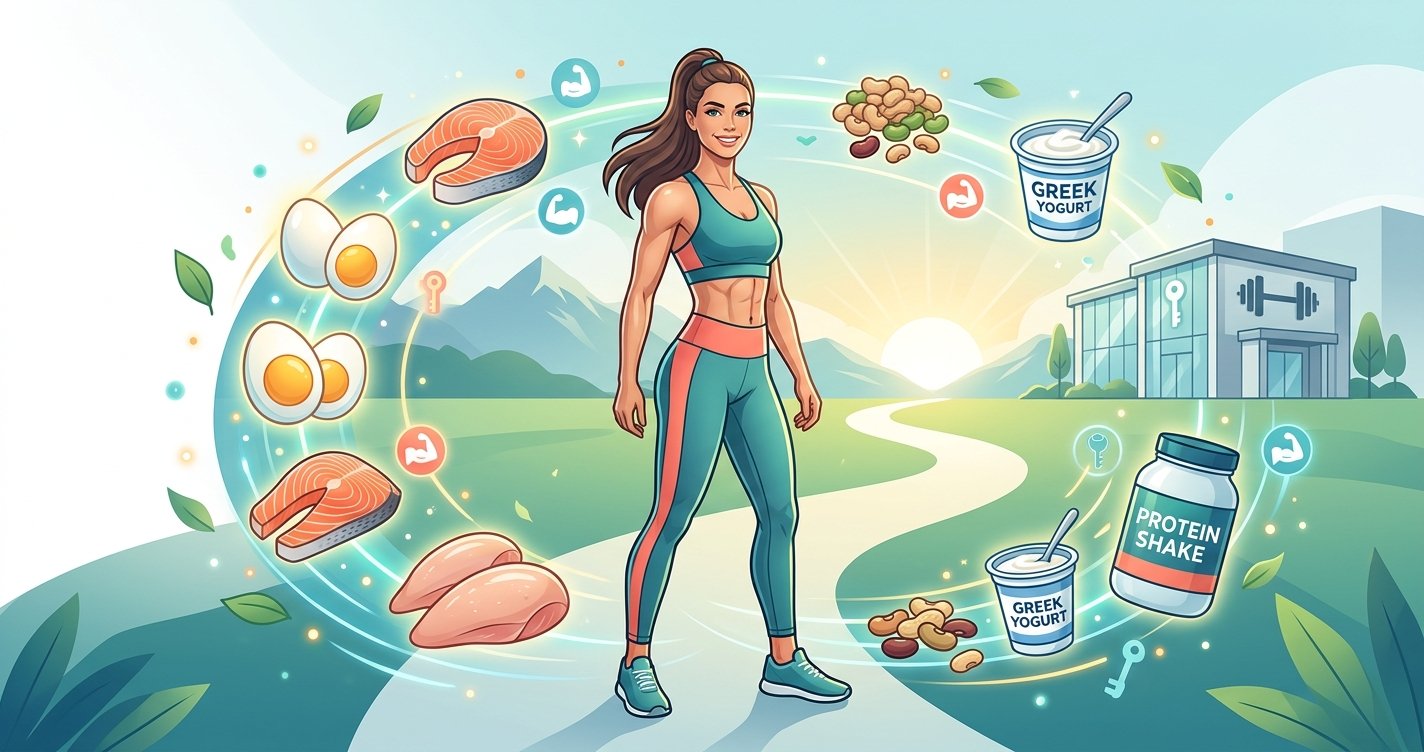
Protein Powerhouses: Top Food Sources
Incorporating more protein into your diet doesn’t have to be bland or boring. There’s a vast array of delicious options available:
Animal-Based Options:
- Lean Meats: Chicken breast, turkey, lean beef, pork tenderloin.
- Fish & Seafood: Salmon, tuna, cod, shrimp, tilapia.
- Eggs: A complete protein, versatile and affordable.
- Dairy: Greek yogurt, cottage cheese, milk, whey protein powder.
Plant-Based Options:
- Legumes: Lentils, black beans, chickpeas, kidney beans.
- Soy Products: Tofu, tempeh, edamame.
- Grains: Quinoa, oats (contain some protein).
- Nuts & Seeds: Almonds, peanuts, chia seeds, flax seeds, pumpkin seeds.
- Plant-Based Protein Powders: Pea, soy, rice, hemp protein.
Smart Strategies to Boost Your Protein Intake
Making protein a priority is easier than you think with a few simple tweaks to your daily routine:
- Start with Protein at Breakfast: Ditch the sugary cereals. Opt for eggs, Greek yogurt, cottage cheese, or a protein smoothie to kickstart your day with satiety.
- Include Protein in Every Meal: Aim for a palm-sized portion of protein (20-30g) at lunch and dinner.
- Smart Snacking: Instead of chips or cookies, reach for hard-boiled eggs, a handful of almonds, a protein bar, or Greek yogurt.
- Leverage Protein Powder: A quick and convenient way to boost your intake, especially post-workout or as part of a meal replacement shake.
- Meal Prep: Cook a batch of chicken breast or lentils at the beginning of the week to easily add to salads, wraps, or stir-fries.
- “Protein First” Mindset: When building a plate, think about your protein source first, then add vegetables and complex carbohydrates.
Common Protein Myths Debunked
Don’t let misinformation derail your progress. Let’s clear up some common misconceptions:
- “Too much protein is bad for your kidneys.” For healthy individuals with normal kidney function, there’s no strong evidence that a high-protein diet causes kidney damage. However, if you have pre-existing kidney disease, consult your doctor.
- “Protein makes you bulky.” Protein helps build and repair muscle, but becoming “bulky” requires a significant calorie surplus, specific training, and often, hormonal factors. Protein alone won’t make you bulky, but it will help you achieve a lean, toned physique.
- “You can only absorb X grams of protein per meal.” While there might be an optimal amount of protein per meal for muscle protein synthesis, your body is incredibly efficient at digesting and absorbing protein over several hours. The total daily intake is more important than rigidly sticking to a certain amount per meal.
The Big Picture: Protein as Part of a Holistic Approach
While protein is a superstar for fat loss, it’s not a magic bullet. For truly sustainable results, remember that it’s part of a larger, holistic approach:
- Calorie Deficit: To lose fat, you still need to consume fewer calories than you burn. Protein makes this easier by enhancing satiety.
- Strength Training: Lifting weights is crucial for building and preserving muscle, which works synergistically with protein.
- Sleep: Adequate sleep (7-9 hours) helps regulate hunger hormones and supports recovery.
- Hydration: Drinking plenty of water is essential for overall health and can help manage hunger.
- Stress Management: Chronic stress can impact hormones and make fat loss more challenging.
Embrace the Power of Protein for a Healthier You!
Changing your body composition is a journey, not a destination. By strategically increasing your protein intake, you’re not just adopting another “diet”; you’re embracing a powerful, evidence-based strategy that supports your body’s natural fat-burning capabilities, helps you feel satisfied, and protects your hard-earned muscle.
Start small, be consistent, and listen to your body. Whether you’re aiming to lose a few pounds or transform your physique, making protein a priority can be the game-changer you’ve been searching for. So, go ahead, fuel your body with protein, and unlock a leaner, stronger, and more vibrant you!