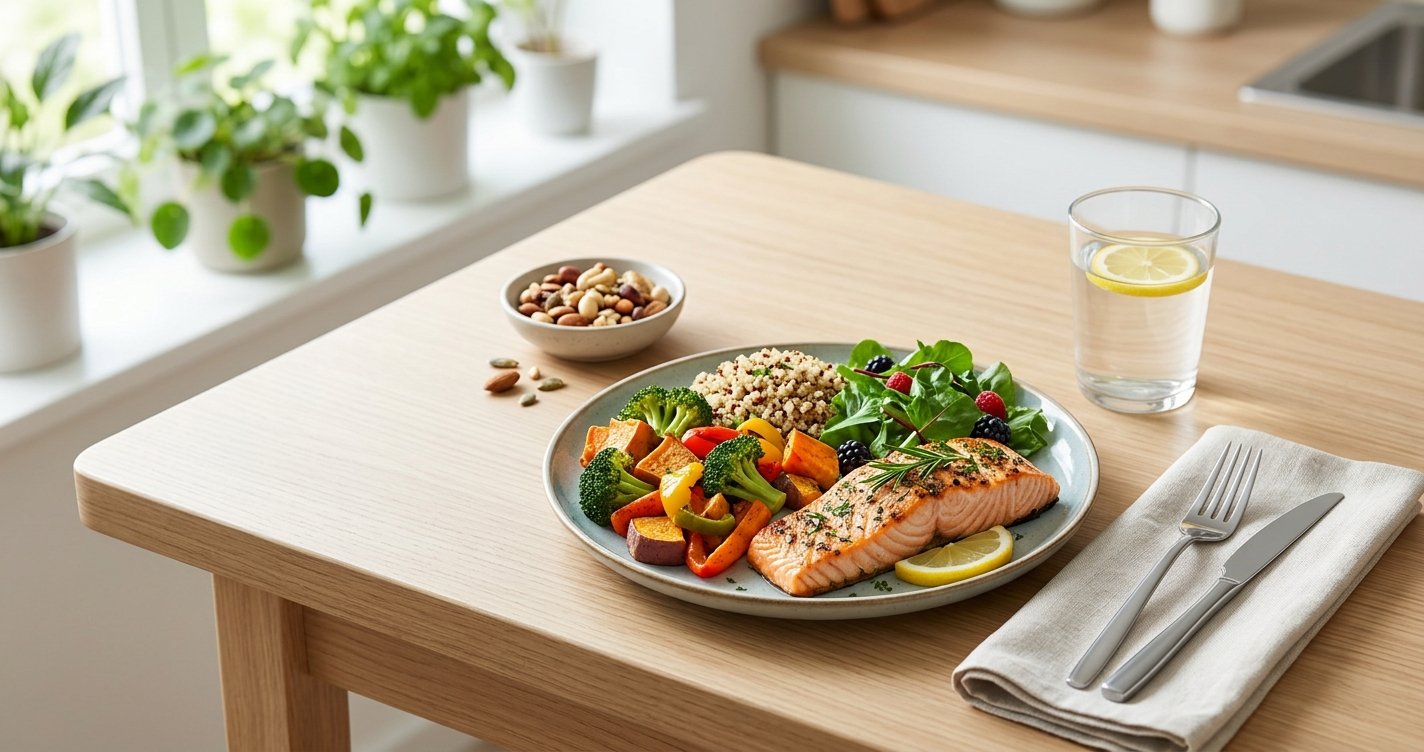
Tired of the Diet Rollercoaster? Discover Sustainable Fat Loss!
If you've ever felt trapped in a cycle of restrictive diets, intense workouts, and frustrating plateaus, you're not alone. The world of fat loss can often feel overwhelming, filled with conflicting advice and promises of quick fixes. But what if sustainable fat loss wasn't about deprivation, but about smart, empowering choices that nourish your body and mind?
This isn't another crash diet plan. Instead, we're going to explore an evidence-based, friendly, and encouraging approach to shedding fat that focuses on longevity, health, and genuine well-being. We'll dive into the incredible power of two key macronutrients – protein and fiber – and how coupling them with the practice of mindful eating can transform your relationship with food and lead to lasting results. Get ready to ditch the guilt and embrace a path to a healthier, happier you! this excellent wellness product
Beyond the Calorie Count: Why Quality Matters for Fat Loss
Yes, achieving a calorie deficit is fundamental for fat loss. Your body needs to burn more energy than it consumes. However, simply focusing on the number can lead to nutrient deficiencies, constant hunger, and ultimately, burnout. The quality of your calories plays a monumental role in how satisfied you feel, how much energy you have, and how effectively your body burns fat.
Think of it this way: 100 calories from a sugary snack will likely leave you hungry sooner than 100 calories from a handful of almonds or a hard-boiled egg. This is where satiety – the feeling of fullness and satisfaction after eating – becomes your secret weapon. By prioritizing foods that are nutrient-dense and promote satiety, you can naturally reduce your overall calorie intake without feeling deprived. Let's explore how protein and fiber lead the charge in this strategy.
The Protein Powerhouse: Your Ally Against Cravings
When it comes to fat loss, protein is often hailed as a hero, and for good reason. Its benefits are numerous and backed by solid scientific evidence, making it a non-negotiable component of any sustainable fat loss plan.
Why Protein is Non-Negotiable for Fat Loss
- Superior Satiety: Protein is hands down the most satiating macronutrient. Studies consistently show that a higher protein intake helps you feel fuller for longer, significantly reducing overall calorie consumption and curbing those nagging cravings. This means less snacking and more control over your appetite.
- Boosted Metabolism (Thermic Effect of Food): Your body uses energy to digest, absorb, and metabolize food. This is known as the Thermic Effect of Food (TEF). Protein has a significantly higher TEF than carbohydrates or fats, meaning you burn more calories just by eating and digesting it.
- Muscle Preservation: When you're in a calorie deficit, your body can sometimes break down muscle tissue for energy, not just fat. Adequate protein intake is crucial for preserving lean muscle mass. Why is this important? Muscle is metabolically active, meaning it burns more calories at rest than fat tissue. Protecting your muscle helps maintain a higher resting metabolism, making fat loss easier in the long run.
How Much & Where to Get It
General recommendations for fat loss often suggest aiming for 0.7 to 1 gram of protein per pound of your target body weight. For an average person, this might mean 100-150 grams or more per day, spread across your meals.
Excellent Protein Sources:
- Lean Meats: Chicken breast, turkey, lean beef, pork loin
- Fish & Seafood: Salmon, tuna, cod, shrimp, scallops
- Eggs: A complete protein powerhouse
- Dairy: Greek yogurt, cottage cheese, milk, whey protein powder
- Legumes: Lentils, chickpeas, black beans (also high in fiber!)
- Plant-Based: Tofu, tempeh, edamame, plant-based protein powders
Practical Tip: Try to include a good source of protein with every meal and snack. Start your day with eggs or Greek yogurt, add chicken or fish to your lunch salad, and make lean protein the centerpiece of your dinner.
Fiber's Fantastic Feats: Keeping You Full and Healthy
Often overlooked, dietary fiber is another unsung hero in the quest for sustainable fat loss. It doesn't provide significant calories, yet its impact on satiety, gut health, and blood sugar regulation is profound.
The Magic of Fiber for Satiety
Fiber adds bulk to your meals without adding many calories. There are two main types:
- Soluble Fiber: This type dissolves in water to form a gel-like substance in your gut. This slows down digestion, allowing nutrients to be absorbed more gradually and promoting a prolonged feeling of fullness. It also helps stabilize blood sugar levels, preventing those sharp spikes and crashes that lead to cravings.
- Insoluble Fiber: This type doesn't dissolve and adds bulk to your stool, aiding in regular bowel movements and promoting a healthy digestive system. While not directly impacting satiety as much as soluble fiber, a healthy gut is crucial for overall well-being and nutrient absorption.
Beyond satiety, fiber supports a healthy gut microbiome, which emerging research suggests plays a role in weight management and metabolic health.
Fiber-Rich Foods to Embrace
Aim for 25-38 grams of fiber per day from a variety of sources. Most people fall short, so consciously adding these foods can make a big difference:
- Vegetables: Broccoli, spinach, carrots, Brussels sprouts, kale, artichokes
- Fruits: Berries (raspberries, blackberries), apples (with skin), pears, oranges
- Whole Grains: Oats, quinoa, brown rice, whole-wheat bread/pasta
- Legumes: Lentils, chickpeas, black beans, kidney beans
- Nuts & Seeds: Chia seeds, flax seeds, almonds, walnuts
Practical Tip: Gradually increase your fiber intake to avoid digestive discomfort, and remember to drink plenty of water as fiber absorbs liquid.
Mindful Eating: Reconnecting with Your Body's Signals
Even with perfect macros, if you're eating on autopilot, stressed, or distracted, you might be missing crucial hunger and fullness cues. This is where mindful eating comes in – it's a powerful practice that shifts your focus from external rules to internal wisdom.
What is Mindful Eating?
Mindful eating isn't a diet; it's an approach to food that involves paying full attention to the experience of eating and drinking, both inside and outside the body. It means noticing the colors, smells, textures, and flavors of your food. It means listening to your body's physical hunger and satiety cues, rather than eating out of habit, emotion, or distraction.
This practice helps you become aware of *why* you're eating, *what* you're eating, *how* you're eating, and *how* food affects you. It fosters a healthier, more intuitive relationship with food, moving away from restrictive mindsets that often backfire.
Practical Steps to Practice Mindfulness
Incorporating mindful eating doesn't require drastic changes; small shifts can make a big impact:
- Eat Slowly: Put down your fork between bites. Chew thoroughly and savor each mouthful. It takes about 20 minutes for your brain to register that your stomach is full.
- Eliminate Distractions: Turn off the TV, put away your phone, and focus solely on your meal.
- Listen to Your Body: Before you eat, check in with your hunger level (are you truly hungry, or just bored/stressed?). During your meal, notice when you start to feel satisfied, not just full. Stop eating when you're comfortably full, not stuffed.
- Engage Your Senses: Notice the colors, aromas, textures, and tastes of your food. How does it feel in your mouth?
- Identify Emotional Triggers: Are you eating because you're stressed, sad, or bored? Acknowledge these feelings without judgment, and explore healthier ways to cope.
Mindful eating helps you appreciate your food more and naturally guides you toward eating appropriate portions, often leading to effortless calorie reduction over time.
Putting It All Together: Your Sustainable Fat Loss Roadmap
Sustainable fat loss isn't about perfection; it's about consistency and progress. By integrating the power of protein, fiber, and mindful eating into your daily life, you're building a robust foundation for lasting success.
Small, Consistent Changes Lead to Big Results
Don't try to overhaul everything at once. Pick one or two habits to focus on first:
- Start by adding a protein source to every meal.
- Aim for one extra serving of vegetables or fruit each day.
- Practice mindful eating for just one meal a day.
These small, consistent efforts compound over time, leading to significant and lasting changes. Remember, the goal is to create habits you can maintain indefinitely, not just until you reach a certain number on the scale.
Beyond Food: Lifestyle Factors
While nutrition is paramount, remember that fat loss is holistic. Don't forget the importance of:
- Adequate Sleep: Poor sleep can disrupt hormones that regulate hunger and satiety, making fat loss harder.
- Stress Management: Chronic stress can lead to increased cortisol, which can promote fat storage, especially around the belly.
- Hydration: Sometimes thirst is mistaken for hunger. Drink plenty of water throughout the day.
- Consistent Movement: While not the sole driver of fat loss, regular physical activity supports muscle mass, metabolism, and overall well-being.
Embrace Your Journey to Lasting Health!
You have the power to transform your fat loss journey from a battle into a sustainable, empowering process. By focusing on nutrient-rich protein and fiber, practicing mindful eating, and supporting your body with healthy lifestyle habits, you're not just losing weight – you're building a healthier, more vibrant life.
Be patient, be kind to yourself, and celebrate every small victory along the way. Your body is incredible, and by nourishing it wisely, you'll unlock its full potential for lasting health and sustainable fat loss. Start today, one smart choice at a time!