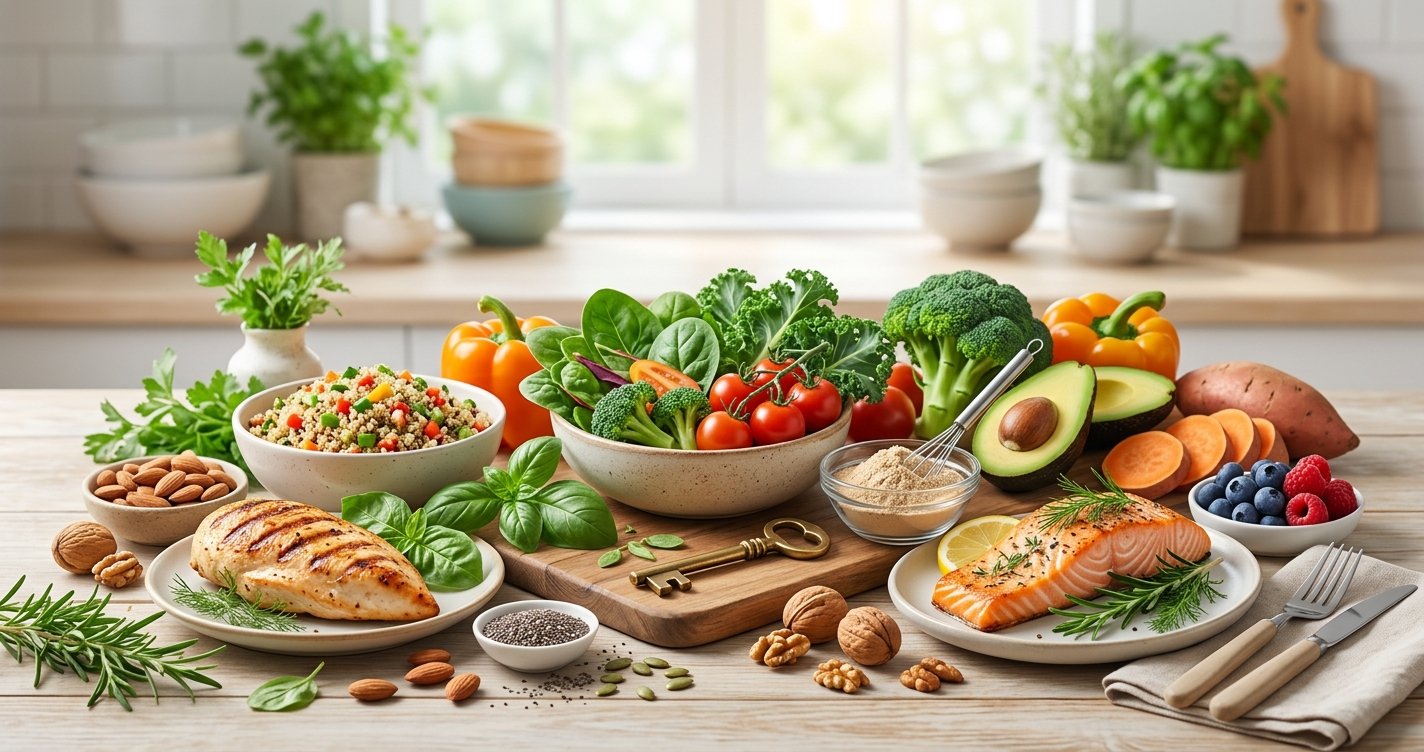
Are you tired of the endless cycle of restrictive diets, quick fixes, and the frustration of yo-yo weight? You’re not alone. Many people embark on their fat loss journey with enthusiasm, only to be met with unsustainable strategies that leave them feeling deprived and defeated. But what if we told you there’s a more effective, enjoyable, and sustainable path to achieving your fat loss goals? It all starts with understanding the foundational power of nutrition, specifically focusing on two key pillars: protein and whole foods.
This isn't about counting every single calorie or eliminating entire food groups. Instead, it’s about building a robust, evidence-based approach that nourishes your body, fuels your metabolism, and makes sustainable fat loss a natural outcome. Let's dive into how prioritizing protein and embracing whole, unprocessed foods can transform your body and your relationship with food for good. this excellent wellness product
Why Fad Diets Fail (And What Works Instead)
The Problem with Quick Fixes
Most fad diets promise rapid fat loss, often through extreme calorie restriction or the complete elimination of macronutrients. While you might see initial drops on the scale, these methods are rarely sustainable. They often lead to nutrient deficiencies, muscle loss (not just fat!), metabolic slowdown, and an inevitable rebound once the diet ends. Your body is smart; it will fight back against extreme deprivation, triggering cravings and making adherence nearly impossible in the long run.
The Foundation: A Smart Calorie Deficit
At its core, fat loss still requires a calorie deficit – consuming fewer calories than your body burns. However, the quality of those calories matters immensely. A deficit created by eating nutrient-poor, processed foods will feel vastly different from one achieved through a diet rich in protein and whole foods. The latter keeps you feeling full, preserves muscle, and supports overall health, making the deficit much more manageable and sustainable.
The Powerhouse Nutrient: Protein for Fat Loss
If there's one macronutrient to prioritize for sustainable fat loss, it's protein. This isn't just for bodybuilders; protein plays a crucial role for everyone aiming to shed body fat while maintaining a healthy, functional body.
Satiety: Feeling Full, Longer
Protein is king when it comes to satiety. Consuming adequate protein helps you feel fuller for longer, significantly reducing hunger pangs and the urge to snack unnecessarily. This is partly due to its impact on hunger-regulating hormones like ghrelin (which stimulates hunger) and GLP-1 and PYY (which signal fullness). By keeping you satisfied, protein naturally helps you consume fewer calories without feeling deprived.
Muscle Preservation: Protecting Your Metabolism
When you're in a calorie deficit, your body can break down not only fat but also muscle tissue. This is detrimental to your fat loss efforts because muscle is metabolically active – it burns more calories at rest than fat does. A higher protein intake helps preserve precious muscle mass, ensuring that a greater percentage of your weight loss comes from fat and protecting your resting metabolic rate.
Thermic Effect of Food (TEF): An Added Boost
Protein also has a higher thermic effect of food (TEF) compared to carbohydrates and fats. This means your body expends more energy (calories) to digest, absorb, and metabolize protein. While not a massive calorie burner on its own, this subtle boost contributes to your overall calorie deficit, making your fat loss journey a little easier.
How Much Protein Do You Really Need?
For optimal fat loss and muscle preservation, aim for approximately 1.6 to 2.2 grams of protein per kilogram of body weight per day. For an average person, this often translates to about 100-150 grams or more, depending on your size and activity level. Spread your protein intake across all your meals and snacks to maximize its benefits.
- Excellent Protein Sources:
- Lean Meats (Chicken Breast, Turkey, Lean Beef)
- Fish and Seafood (Salmon, Tuna, Cod, Shrimp)
- Eggs
- Dairy (Greek Yogurt, Cottage Cheese, Milk)
- Legumes (Lentils, Beans, Chickpeas)
- Tofu and Tempeh
- Protein Powder (Whey, Casein, Plant-Based)
Embracing Whole Foods: Nature's Fat Loss Allies
Beyond protein, the quality of your carbohydrates and fats is equally vital. This is where the concept of whole foods comes in – foods that are as close to their natural state as possible, with minimal processing.
Nutrient Density Over Calorie Density
Whole foods like fruits, vegetables, whole grains, and healthy fats are packed with vitamins, minerals, antioxidants, and fiber. They provide essential nutrients your body needs to function optimally, support energy levels, and enhance overall health, all while being relatively lower in calorie density compared to processed alternatives. This means you can eat a larger volume of food for fewer calories, contributing to satiety.
The Magic of Fiber
Fiber, abundant in whole plant foods, is another secret weapon for fat loss. It adds bulk to your meals without adding calories, promoting a feeling of fullness. Fiber also slows down digestion, helping to stabilize blood sugar levels and prevent those energy crashes and subsequent cravings that often lead to overeating. Furthermore, a healthy gut microbiome, supported by fiber, is increasingly linked to metabolic health and fat loss.
- High-Fiber Whole Foods:
- Vegetables (Broccoli, Spinach, Kale, Carrots)
- Fruits (Berries, Apples, Pears, Bananas)
- Whole Grains (Oats, Quinoa, Brown Rice, Whole Wheat Bread)
- Legumes (Beans, Lentils)
- Nuts and Seeds (Almonds, Chia Seeds, Flax Seeds)
Say Goodbye to Processed Foods
Processed foods are often high in refined sugars, unhealthy fats, and artificial ingredients. They are typically calorie-dense but nutrient-poor, offering little satiety and often triggering overconsumption. By reducing your intake of highly processed snacks, sugary drinks, and fast food, you automatically create more room for nutrient-rich whole foods, making fat loss significantly easier and healthier.
Practical Strategies for Integrating Protein & Whole Foods
Knowing what to eat is one thing; putting it into practice is another. Here are actionable tips to seamlessly incorporate more protein and whole foods into your daily routine:
Plan Your Meals Like a Pro
Meal planning and prepping are game-changers. Dedicate some time each week to plan your meals and snacks, ensuring each one includes a lean protein source and plenty of vegetables or whole grains. Prepare ingredients in advance, like chopping veggies or cooking a batch of chicken, to make healthy eating convenient during busy weekdays.
Smart Snacking
If you need snacks, make them count! Opt for protein-rich and fiber-filled options. Think Greek yogurt with berries, a handful of almonds, an apple with peanut butter, or cottage cheese with vegetables. These choices will keep you satisfied and energized between meals, preventing mindless munching on less healthy options.
Hydration: The Unsung Hero
Don't underestimate the power of water. Sometimes, thirst can be mistaken for hunger. Drinking plenty of water throughout the day can help manage appetite, support metabolic functions, and keep you feeling good. Aim for at least 2-3 liters daily.
Mindful Eating Practices
Slow down and savor your meals. Pay attention to your body's hunger and fullness cues. Eating mindfully helps you appreciate your food, reduces overeating, and improves digestion. Put away distractions like your phone or TV and focus on the experience of eating.
Beyond the Plate: Lifestyle Factors Supporting Fat Loss
While nutrition is paramount, sustainable fat loss is a holistic journey. Don't neglect these crucial lifestyle factors:
The Importance of Sleep
Poor sleep can sabotage your fat loss efforts. Lack of sleep disrupts hunger hormones (ghrelin and leptin), leading to increased appetite and cravings for unhealthy foods. Aim for 7-9 hours of quality sleep per night to keep your hormones balanced and your willpower strong.
Stress Management
Chronic stress elevates cortisol levels, a hormone that can promote fat storage, especially around the midsection. Find healthy ways to manage stress, whether it's through meditation, yoga, spending time in nature, or hobbies you enjoy. Your mental well-being is just as important as your physical health.
Incorporate Movement
While nutrition is 80% of the fat loss equation, physical activity complements it beautifully. Regular exercise, particularly strength training, helps build and preserve muscle mass, further boosting your metabolism. Cardio workouts contribute to your calorie deficit and improve cardiovascular health. Find an activity you enjoy and make it a consistent part of your routine.
Your Sustainable Fat Loss Journey Starts Now
Achieving sustainable fat loss isn't about deprivation; it's about empowerment through smart, evidence-based nutrition. By consistently prioritizing protein and embracing the richness of whole foods, you're not just losing weight – you're building a healthier, stronger, and more vibrant you. This approach fosters a positive relationship with food, provides your body with essential nutrients, and makes reaching and maintaining your fat loss goals an enjoyable and lasting reality. Start small, make consistent choices, and watch your body transform from the inside out. You've got this!