Beyond Calories: The Power of Protein & Fiber for Sustainable Fat Loss
Embarking on a fat loss journey can often feel like navigating a complex maze. We’re constantly bombarded with conflicting advice, quick fixes, and the ever-present pressure to just “eat less.” While creating a calorie deficit is indeed fundamental to losing fat, focusing solely on the numbers on a nutrition label often overlooks the incredible power of *what* we eat. If you’ve ever felt perpetually hungry, struggled with cravings, or hit a frustrating plateau, it might be time to shift your focus from mere quantity to the quality of your plate.
Today, we’re diving deep into two often-underestimated champions of sustainable fat loss: protein and fiber. These aren’t just buzzwords; they’re nutritional powerhouses that can transform your body composition, boost your energy, and make your fat loss journey feel less like a battle and more like a sustainable, enjoyable lifestyle change. Get ready to discover how these dynamic duo can be your secret weapons! this excellent wellness product
The Calorie Conundrum: Why Quantity Isn't Everything
Yes, a calorie deficit is non-negotiable for fat loss. To lose weight, you must consume fewer calories than your body burns. However, not all calories are created equal when it comes to satiety, metabolism, and overall health. A 200-calorie sugary drink will behave very differently in your body than 200 calories of lean chicken breast and broccoli. The former might give you a quick sugar rush followed by a crash and renewed hunger, while the latter will keep you feeling full and satisfied for much longer.
This is where the concept of nutrient density comes into play. Focusing on foods rich in protein and fiber means you're getting more bang for your caloric buck. These foods provide essential nutrients, help regulate hunger hormones, and support a healthy metabolism, making the calorie deficit much more manageable and sustainable without feeling deprived.
Protein: Your Fat Loss MVP (Most Valuable Player)
If there's one nutrient that deserves a standing ovation in the world of fat loss, it's protein. It's not just for bodybuilders; it's crucial for everyone looking to sculpt a leaner, healthier physique. Here’s why:
How Protein Boosts Satiety
Protein is king when it comes to keeping you feeling full and satisfied. It has a profound impact on your hunger hormones. When you consume protein, your body releases hormones like GLP-1, PYY, and cholecystokinin (CCK), which signal to your brain that you’re full. Simultaneously, it helps suppress ghrelin, the hormone responsible for making you feel hungry. This means fewer cravings, less mindless snacking, and a greater ability to stick to your calorie goals without feeling like you’re starving.
The Thermic Effect of Food (TEF): Protein's Metabolic Advantage
Did you know that your body burns calories just to digest and process the food you eat? This is known as the Thermic Effect of Food (TEF). Protein has the highest TEF compared to carbohydrates and fats. Approximately 20-30% of the calories from protein are expended during digestion, compared to 5-10% for carbs and 0-3% for fats. This means that by prioritizing protein, you're essentially getting a small metabolic boost, helping you burn a few extra calories throughout the day.
Preserving Muscle Mass During Fat Loss
When you're in a calorie deficit, your body can sometimes break down muscle tissue for energy, not just fat. This is undesirable because muscle is metabolically active – it burns more calories at rest than fat tissue. A higher protein intake helps to protect your precious muscle mass, ensuring that the weight you lose is primarily fat. Maintaining or even building muscle during fat loss is crucial for keeping your metabolism revved up and achieving a toned physique.
Practical Protein Power-Ups
- Lean Meats: Chicken breast, turkey, lean beef, pork loin.
- Fish & Seafood: Salmon, cod, tuna, shrimp.
- Eggs: A complete protein source, versatile and affordable.
- Dairy: Greek yogurt, cottage cheese, milk (opt for lower fat versions).
- Legumes: Lentils, beans, chickpeas (also packed with fiber!).
- Plant-Based: Tofu, tempeh, edamame, protein powders.
Aim for around 1.6 to 2.2 grams of protein per kilogram of body weight per day, spread throughout your meals to maximize its benefits.
Fiber: The Unsung Hero of Weight Management
Often overshadowed by protein, fiber is another non-negotiable nutrient for anyone serious about sustainable fat loss and overall health. It's not just for regularity; its impact on satiety, blood sugar, and gut health is profound.
Fiber's Role in Satiety and Digestion
Fiber, particularly soluble fiber, forms a gel-like substance in your digestive tract when mixed with water. This slows down the emptying of your stomach, meaning food stays in your system longer, promoting a sustained feeling of fullness. This bulk also helps you feel satisfied with fewer calories, naturally reducing your overall intake.
Blood Sugar Regulation and Cravings Control
High-fiber foods help stabilize blood sugar levels. When you eat refined carbohydrates, your blood sugar can spike rapidly, leading to an insulin surge and then a subsequent crash that leaves you feeling hungry and craving more sugar. Fiber slows down the absorption of sugar into your bloodstream, preventing these dramatic spikes and crashes, thus helping to keep those pesky cravings at bay.
Gut Health: A Surprising Link to Fat Loss
Your gut microbiome – the trillions of bacteria living in your intestines – plays a fascinating role in your weight. A diverse and healthy gut flora has been linked to better weight management. Fiber acts as a prebiotic, feeding the beneficial bacteria in your gut. These bacteria, in turn, produce short-chain fatty acids (SCFAs) that have been shown to improve insulin sensitivity, reduce inflammation, and even influence appetite regulation. A happy gut can contribute to a leaner you!
Fiber-Rich Foods to Embrace
- Fruits: Berries, apples, pears (with skin), oranges.
- Vegetables: Broccoli, spinach, carrots, Brussels sprouts, kale.
- Whole Grains: Oats, quinoa, brown rice, whole-wheat bread.
- Legumes: Beans, lentils, chickpeas.
- Nuts & Seeds: Almonds, chia seeds, flax seeds.
Adults should aim for 25-30 grams of fiber per day, gradually increasing intake to avoid digestive discomfort.
The Synergy: Protein & Fiber Working Together
While protein and fiber are powerful on their own, their combined effect is truly synergistic. Imagine a meal with lean protein and plenty of fiber-rich vegetables. The protein initiates satiety signals and boosts TEF, while the fiber adds bulk, slows digestion further, and stabilizes blood sugar. This dynamic duo ensures you feel fuller for longer, experience fewer cravings, maintain muscle, and support a healthy metabolism – all crucial elements for sustainable fat loss.
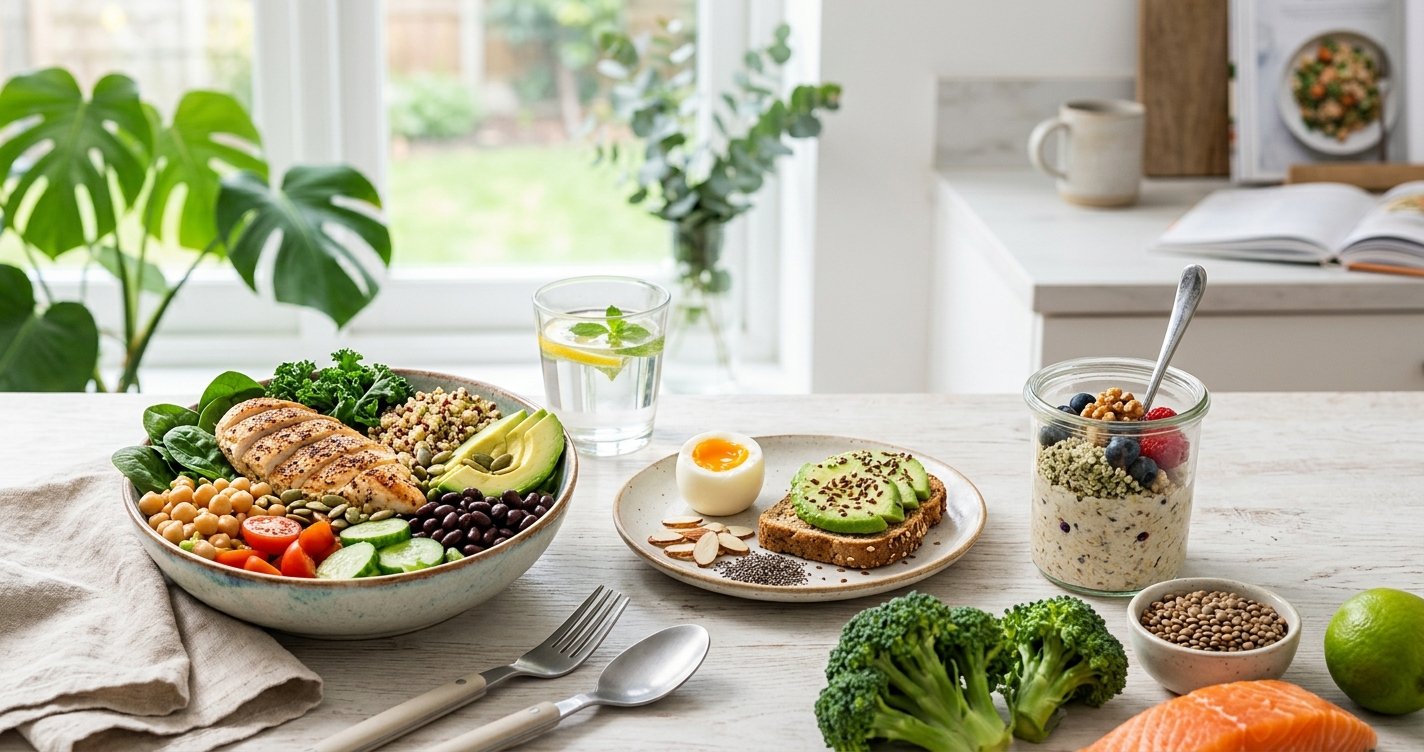
Think about a Greek yogurt with berries and chia seeds, a chicken salad loaded with mixed greens and chickpeas, or a salmon fillet with a generous side of roasted broccoli and quinoa. These meals aren't just delicious; they're strategically designed for maximum satiety and metabolic benefits.
Crafting Your Protein & Fiber-Rich Plate: Practical Tips
Ready to put this knowledge into action? Here are some simple, actionable tips to integrate more protein and fiber into your daily diet:
- Start with Protein: Make protein the centerpiece of every meal. Aim for a palm-sized portion (or more!) at breakfast, lunch, and dinner.
- Load Up on Veggies: Fill half your plate with non-starchy vegetables at every meal. They're incredibly low in calories, high in fiber, and packed with nutrients.
- Choose Whole Grains: Swap refined grains (white bread, pasta) for whole-grain alternatives like oats, quinoa, brown rice, and whole-wheat bread.
- Smart Snacking: Opt for snacks that combine protein and fiber, such as an apple with a handful of almonds, Greek yogurt with berries, or veggie sticks with hummus.
- Legumes Are Your Friends: Incorporate beans, lentils, and chickpeas into soups, salads, and main dishes.
- Don't Forget Hydration: Water is essential for fiber to work its magic and for overall satiety.
- Plan Ahead: Meal prepping can ensure you have healthy, balanced, protein- and fiber-rich options readily available.
Beyond Diet: Holistic Fat Loss for Lasting Results
While nutrition is a cornerstone, remember that sustainable fat loss is a holistic endeavor. Adequate sleep (7-9 hours), effective stress management, and regular physical activity (especially strength training) all play vital supporting roles. These factors impact hormone balance, energy levels, and overall well-being, complementing your dietary efforts beautifully.
Embrace the Journey
Sustainable fat loss isn't about deprivation; it's about empowerment through smart choices. By understanding and harnessing the incredible power of protein and fiber, you're not just cutting calories – you're building a foundation for lasting health, a stronger body, and a more energetic you. Embrace these two nutritional champions, listen to your body, and enjoy the journey to a leaner, more vibrant life. Your body will thank you for it!