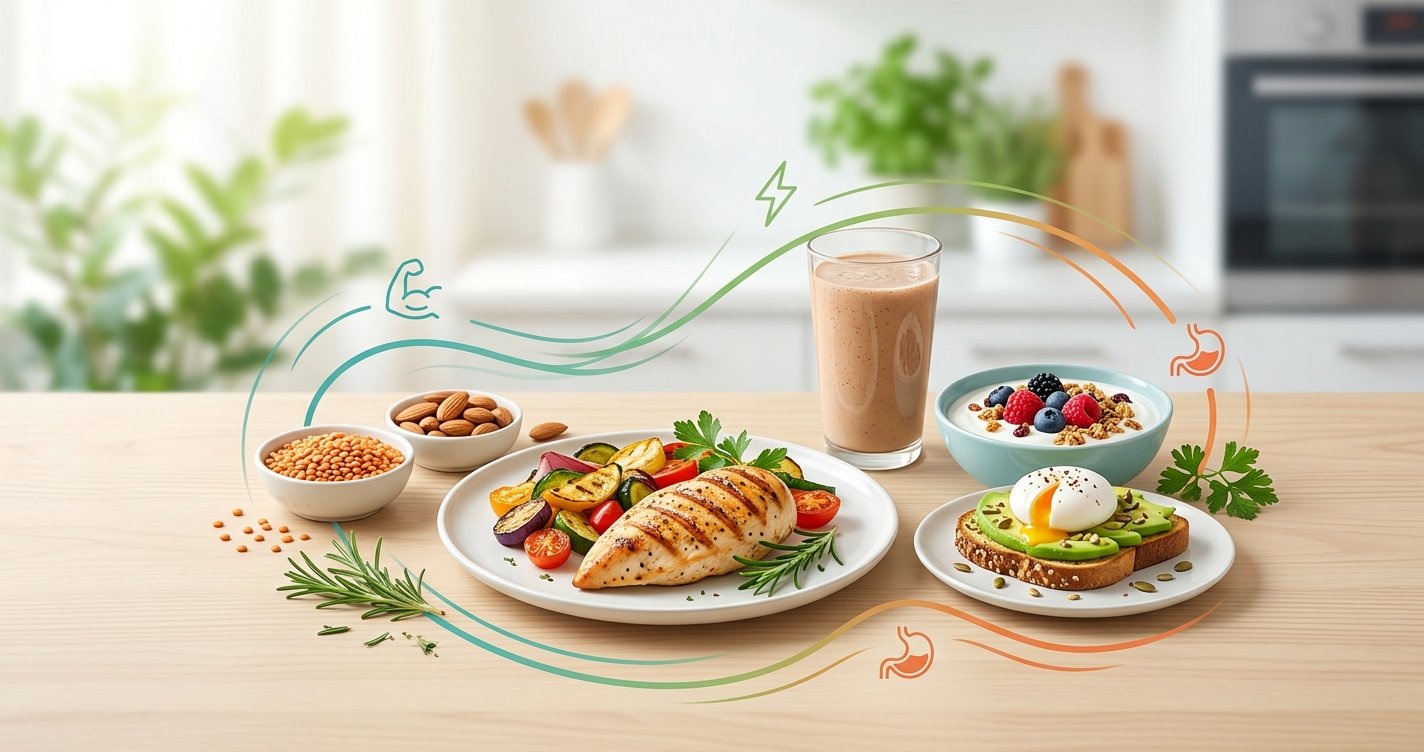
Beyond Calories: Why Protein is Your Secret Weapon for Sustainable Fat Loss
Feeling stuck in the endless cycle of calorie counting, only to see minimal progress on your fat loss journey? You’re not alone. Many of us have been taught that fat loss is simply a matter of “calories in, calories out.” While energy balance is undoubtedly fundamental, it’s far from the whole story. What if we told you there’s a powerful, often underestimated macronutrient that can revolutionize your approach to fat loss, making it not just effective, but sustainable and enjoyable? Enter protein.
Forget the restrictive diets and the constant hunger pangs. This isn't about deprivation; it's about smart nutrition. In this comprehensive guide, we'll dive deep into why protein is more than just a bodybuilding staple. We'll explore its incredible benefits for fat loss, backed by science, and show you exactly how to harness its power to achieve your health and body composition goals. Get ready to transform your understanding of fat loss and discover your new secret weapon! this excellent wellness product
The Unsung Hero: Why Protein is a Game-Changer for Fat Loss
Protein isn't just about building big muscles; it plays a critical role in several physiological processes that directly impact your ability to lose fat and keep it off. Let's explore its multifaceted benefits.
The Satiety Superpower: Feeling Fuller, Longer
One of the biggest hurdles in any fat loss journey is hunger. Constant cravings and a rumbling stomach can derail even the most determined efforts. This is where protein shines. Protein has a remarkable ability to increase satiety – the feeling of fullness and satisfaction after a meal – far more effectively than carbohydrates or fats.
- Hormonal Harmony: Protein influences several hormones that regulate appetite. It boosts the production of PYY and GLP-1, hormones that signal fullness to your brain, while simultaneously decreasing ghrelin, the hormone that stimulates hunger.
- Reduced Cravings: By keeping you feeling satisfied for longer, protein significantly reduces the likelihood of mindless snacking and overeating, especially those impulsive grabs for sugary or high-fat comfort foods.
The Metabolic Maestro: Burning More Calories Just by Eating
Did you know that your body expends energy just to digest, absorb, and metabolize the food you eat? This is known as the Thermic Effect of Food (TEF), and protein has the highest TEF of all macronutrients.
- Calorie Burn Boost: Approximately 20-30% of the calories from protein are burned off during digestion, compared to just 5-10% for carbohydrates and 0-3% for fats. This means that for every 100 calories of protein you consume, your body uses 20-30 calories just to process it!
- Metabolic Advantage: By incorporating more protein into your diet, you naturally increase your daily caloric expenditure, giving you a metabolic advantage in your fat loss efforts.
Muscle Guardian: Preserving Lean Mass During Fat Loss
When you restrict calories to lose fat, there's always a risk of losing valuable muscle mass along with it. This is problematic because muscle is metabolically active, meaning it burns more calories at rest than fat tissue does. Losing muscle can slow down your metabolism, making future fat loss harder and increasing the chances of weight regain.
- Muscle Protein Synthesis: Protein provides the amino acids, the building blocks your body needs to repair and build muscle tissue. A high protein intake, especially when combined with resistance training, helps to preserve lean muscle mass even in a caloric deficit.
- Sustained Metabolism: By safeguarding your muscle, protein helps maintain a higher resting metabolic rate, ensuring your body continues to burn calories efficiently even when you're not actively exercising. This is crucial for long-term, sustainable fat loss.
How Much Protein Do You Really Need? Finding Your Sweet Spot
So, if protein is so powerful, how much should you be aiming for? The exact amount can vary based on factors like your activity level, age, current body weight, and fat loss goals. However, general recommendations for fat loss tend to be higher than for general health.
- General Guideline: For fat loss, a good starting point for most active individuals is around 1.6 to 2.2 grams of protein per kilogram of body weight (or 0.7 to 1 gram per pound of body weight).
- Example: If you weigh 70 kg (about 154 lbs), aiming for 112-154 grams of protein per day would be beneficial.
- Spread It Out: Instead of trying to consume all your protein in one sitting, aim to distribute your intake evenly throughout the day, ideally having 20-40 grams per meal. This optimizes muscle protein synthesis and keeps you feeling full consistently.
Fueling Up: Top Protein Sources for Every Diet
Getting enough protein doesn't have to be boring or difficult. There's a vast array of delicious and nutritious protein sources available to suit every dietary preference.
Animal-Based Proteins
These are often considered "complete" proteins, meaning they contain all nine essential amino acids your body can't produce on its own.
- Lean Meats: Chicken breast, turkey, lean beef, pork tenderloin.
- Fish and Seafood: Salmon, tuna, cod, shrimp, sardines (rich in omega-3s!).
- Eggs: A versatile and affordable complete protein source.
- Dairy Products: Greek yogurt, cottage cheese, milk, whey protein (great for snacks or post-workout).
Plant-Based Proteins
For our vegetarian and vegan friends, there are plenty of excellent plant-based protein options. Combining different plant sources throughout the day can help ensure you get all essential amino acids.
- Legumes: Lentils, chickpeas, black beans, kidney beans.
- Soy Products: Tofu, tempeh, edamame.
- Grains: Quinoa (a complete protein), oats, brown rice.
- Nuts and Seeds: Almonds, peanuts, chia seeds, flax seeds, pumpkin seeds.
- Plant-Based Protein Powders: Pea protein, rice protein, hemp protein.
Protein Supplements: A Convenient Boost
While whole foods should always be your primary source of nutrition, protein supplements can be a convenient and effective way to meet your daily protein targets, especially if you're very active or have limited time for meal prep.
- Whey Protein: Fast-digesting, ideal for post-workout.
- Casein Protein: Slow-digesting, great before bed to support muscle repair overnight.
- Plant-Based Proteins: Excellent alternatives for those avoiding dairy or animal products.
Practical Strategies to Supercharge Your Protein Intake
Integrating more protein into your diet can be simple with a few smart strategies:
- Start with Protein-Rich Breakfasts: Swap sugary cereals for Greek yogurt with berries, scrambled eggs, or a protein smoothie. This sets you up for satiety throughout the day.
- Include Protein at Every Meal: Aim for a substantial protein source in your breakfast, lunch, and dinner.
- Smart Snacking: Opt for protein-packed snacks like cottage cheese, a handful of almonds, hard-boiled eggs, or beef jerky instead of chips or cookies.
- Plan Ahead: Meal prepping can make it easier to ensure you have protein-rich options readily available. Cook a batch of chicken or lentils at the start of the week.
- Get Creative: Add protein powder to your oatmeal, blend it into smoothies, or stir it into soups.
Dispelling Protein Myths: What You Need to Know
Despite its benefits, protein often gets a bad rap due to persistent myths. Let's set the record straight with evidence-based facts.
"Too Much Protein Harms Your Kidneys"
This is one of the most common misconceptions. For healthy individuals with normal kidney function, there is no scientific evidence to suggest that a high-protein diet causes kidney damage. Studies have consistently shown that higher protein intakes are safe and beneficial. However, if you have pre-existing kidney disease, it's crucial to consult with your doctor or a registered dietitian before significantly increasing your protein intake.
"Protein Will Make Me Bulky" (Especially for Women)
Many women fear that eating too much protein will lead to an undesirable "bulky" physique. This is largely untrue. Building significant muscle mass requires a very specific combination of intense training, a caloric surplus, and often, hormonal profiles (like high testosterone) that women typically don't possess. For most women, a higher protein intake will help achieve a lean, toned physique by preserving muscle and reducing body fat, without making them "bulky."
Beyond Protein: Holistic Habits for Lasting Fat Loss
While protein is a mighty ally, sustainable fat loss is a symphony of several healthy habits working in harmony. Don't forget these crucial elements:
Embrace Resistance Training
Combining a high-protein diet with regular strength training is the ultimate fat loss duo. Resistance training builds and preserves muscle, which further boosts your metabolism and improves body composition. You don't need a gym; bodyweight exercises are a great start!
Prioritize Quality Sleep
Sleep deprivation can wreak havoc on your hormones, increasing hunger (ghrelin) and decreasing satiety (leptin), making fat loss incredibly difficult. Aim for 7-9 hours of quality sleep per night.
Manage Stress Effectively
Chronic stress elevates cortisol levels, which can promote fat storage, especially around the midsection. Incorporate stress-reducing activities like meditation, yoga, or spending time in nature.
Hydrate, Hydrate, Hydrate
Drinking enough water is essential for metabolism, satiety, and overall health. Sometimes, thirst can be mistaken for hunger, leading to unnecessary snacking.
Your Sustainable Fat Loss Journey Starts Now!
Moving beyond just counting calories and embracing the power of protein can be a game-changer for your fat loss journey. By prioritizing this essential macronutrient, you’ll experience greater satiety, a boosted metabolism, and the preservation of crucial muscle mass, all of which contribute to more effective and, most importantly, more sustainable results.
Remember, this isn't about perfection; it's about progress. Start by making small, consistent changes. Focus on incorporating a good source of protein into every meal, experiment with new protein-rich recipes, and combine it with a well-rounded approach to exercise, sleep, and stress management. Your body will thank you for it, and you’ll be well on your way to achieving the healthy, strong, and vibrant self you deserve!