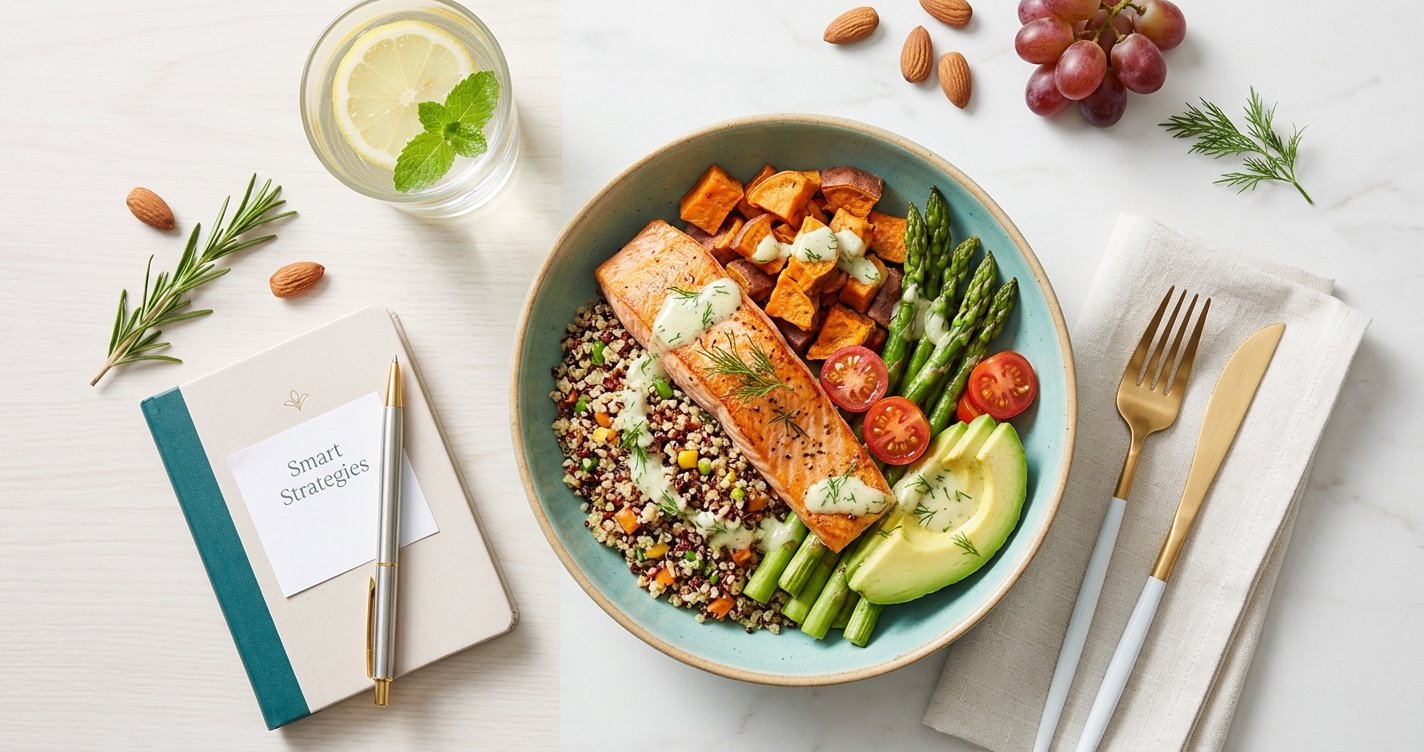
In the vast, often confusing world of fat loss, one piece of advice has dominated for decades: “eat less, move more.” While calorie balance is undeniably fundamental, focusing solely on numbers can be a frustrating, short-sighted, and ultimately unsustainable approach for many. If you’ve ever felt trapped in a cycle of strict calorie counting, hunger, and eventual rebound, you’re not alone.
The good news? Sustainable fat loss isn't just about deprivation; it's about intelligent nutrition that nourishes your body, satisfies your cravings, and fuels your life. This isn't about dieting; it's about building a healthier relationship with food that supports your fat loss goals naturally and joyfully. Let’s dive into smart strategies that go beyond the calorie count, helping you achieve lasting results. this excellent wellness product
Why “Just Eat Less” Often Falls Short
Counting every single calorie can feel like a full-time job. Beyond the mental fatigue, this approach often overlooks critical factors that dictate hunger, satiety, metabolism, and overall well-being. Not all calories are created equal in terms of how your body processes them, how they impact your hormones, or how full they make you feel. A 200-calorie bag of chips offers a vastly different nutritional and satiety experience than 200 calories of grilled chicken and vegetables.
When you restrict calories too severely without considering nutrient density, you risk nutrient deficiencies, muscle loss (which slows metabolism), and constant hunger. This often leads to increased cravings, energy crashes, and eventually, giving up on your efforts. True fat loss success comes from understanding what you eat, not just how much.
The Power of Protein: Your Satiety Secret Weapon
How Protein Aids Fat Loss
If there’s one macronutrient that deserves superstar status in the fat loss journey, it’s protein. Protein is essential for building and repairing tissues, but its role in fat loss goes much deeper. Firstly, protein has a higher “thermic effect of food” (TEF) than carbohydrates or fats, meaning your body burns more calories digesting and metabolizing it. Secondly, protein is incredibly satiating. It helps you feel fuller for longer, reducing overall calorie intake naturally without feeling deprived.
Moreover, adequate protein intake is crucial for preserving lean muscle mass during a calorie deficit. Muscle is metabolically active tissue, meaning it burns more calories at rest than fat. Protecting your muscle ensures your metabolism stays robust, making fat loss more efficient and sustainable.
Practical Tips for Boosting Protein Intake
- Start Your Day Strong: Incorporate protein into your breakfast (eggs, Greek yogurt, protein smoothie).
- Prioritize Protein at Every Meal: Aim for a palm-sized portion of lean protein at lunch and dinner.
- Smart Snacking: Choose protein-rich snacks like cottage cheese, nuts, seeds, or a small handful of jerky.
- Lean Sources: Opt for chicken breast, turkey, fish, lean beef, lentils, beans, tofu, and quinoa.
Embrace Healthy Fats: Fueling Your Body (and Mind)
Dispelling the Fat-Phobia Myth
For decades, dietary fat was demonized, leading to a surge in low-fat, high-sugar processed foods that did more harm than good for our waistlines and health. We now know that healthy fats are absolutely vital for optimal health, hormone production, nutrient absorption (especially fat-soluble vitamins A, D, E, K), and yes, even fat loss.
Healthy fats contribute significantly to satiety, helping you feel satisfied after meals and preventing overeating. They also play a crucial role in regulating hunger hormones and maintaining stable blood sugar levels, reducing those dreaded energy dips and cravings.
Smart Fat Choices for Fat Loss
The key here is “healthy” fats and mindful portion control, as fats are calorie-dense. Focus on unsaturated fats and omega-3s:
- Avocado: Rich in monounsaturated fats and fiber.
- Nuts and Seeds: Almonds, walnuts, chia seeds, flax seeds are packed with healthy fats, fiber, and protein.
- Olive Oil: Use it for dressings and light cooking.
- Fatty Fish: Salmon, mackerel, and sardines provide essential omega-3 fatty acids.
- Full-Fat Dairy (in moderation): Greek yogurt, cheese can be great sources of fat and protein.
Carbohydrates: Friend or Foe? The Fiber Advantage
Quality Over Quantity
Carbohydrates often get a bad rap in the fat loss world, but they are your body’s primary energy source. The distinction lies in the type of carbohydrates you choose. Refined carbohydrates (white bread, sugary drinks, pastries) are quickly digested, leading to blood sugar spikes and crashes, and offer little nutritional value. Complex carbohydrates, on the other hand, are your allies.Focusing on high-fiber, complex carbohydrates is a game-changer for fat loss. Fiber is a type of carbohydrate that your body can't digest, yet it plays a monumental role in gut health, blood sugar regulation, and most importantly for fat loss, satiety.
Maximizing Fiber for Fullness and Gut Health
Fiber expands in your stomach, helping you feel fuller faster and for longer. It also slows down the absorption of sugar, preventing those energy rollercoasters. Additionally, a healthy gut microbiome, fueled by fiber, is increasingly linked to healthy weight management.
- Whole Grains: Brown rice, quinoa, oats, whole-wheat bread.
- Fruits: Berries, apples, pears (eat the skin!).
- Vegetables: All vegetables are great, especially leafy greens, broccoli, and Brussels sprouts.
- Legumes: Lentils, chickpeas, black beans.
Hydration: The Unsung Hero of Fat Loss
Why Water Matters More Than You Think
Often overlooked, adequate hydration is a simple yet powerful tool for fat loss. Water is involved in every metabolic process in your body, including fat metabolism. Even mild dehydration can slow down your metabolism, making fat loss more challenging.
Beyond metabolism, water can also act as a natural appetite suppressant. Sometimes, what we perceive as hunger is actually thirst. Drinking a glass of water before meals can help you feel fuller and reduce your overall food intake.
Simple Ways to Drink More Water
- Keep a Water Bottle Handy: Make it visible and accessible throughout your day.
- Start Your Day with Water: A big glass first thing in the morning rehydrates you and kickstarts your metabolism.
- Drink Before Meals: Aim for a glass of water 15-30 minutes before eating.
- Infuse Your Water: Add slices of lemon, cucumber, or berries for flavor without added sugar.
Mindful Eating: Beyond What's on Your Plate
Slow Down and Savor
Fat loss isn't just about what you eat, but how you eat. Mindful eating involves paying attention to your food, your body’s hunger and fullness cues, and the entire eating experience. In our fast-paced world, many of us eat quickly, distracted by screens, leading to overconsumption because our brains don’t register satiety signals in time.
By slowing down, chewing thoroughly, and savoring each bite, you give your body time to signal that it’s satisfied. This simple practice can significantly reduce your overall calorie intake without feeling like you’re “dieting.”
The Importance of Sleep and Stress Management
Beyond the plate, your lifestyle significantly impacts your fat loss journey. Chronic stress and insufficient sleep can wreak havoc on your hormones, particularly cortisol (the stress hormone), ghrelin (the hunger hormone), and leptin (the satiety hormone). Elevated cortisol can promote fat storage, especially around the belly, while sleep deprivation can increase ghrelin and decrease leptin, making you hungrier and less satisfied.
Prioritize 7-9 hours of quality sleep and incorporate stress-reducing activities like meditation, yoga, or spending time in nature. These “non-food” factors are incredibly powerful for sustainable fat loss.
Putting It All Together: Your Sustainable Fat Loss Roadmap
Achieving sustainable fat loss is a marathon, not a sprint. It’s about creating a lifestyle that supports your health and goals, not a temporary diet. By shifting your focus from rigid calorie counting to nutrient-dense foods and mindful practices, you can transform your body and your relationship with food.
- Prioritize protein and fiber at every meal to maximize satiety.
- Embrace healthy fats for hormone balance and lasting fullness.
- Choose complex carbohydrates for sustained energy and gut health.
- Stay consistently hydrated throughout the day.
- Practice mindful eating and listen to your body’s cues.
- Manage stress and prioritize sleep for optimal hormonal balance.
Remember, progress isn't linear. There will be good days and challenging days. The key is consistency, patience, and compassion for yourself. Celebrate small victories and view setbacks as learning opportunities. This isn't about perfection; it's about persistent progress towards a healthier, happier you.