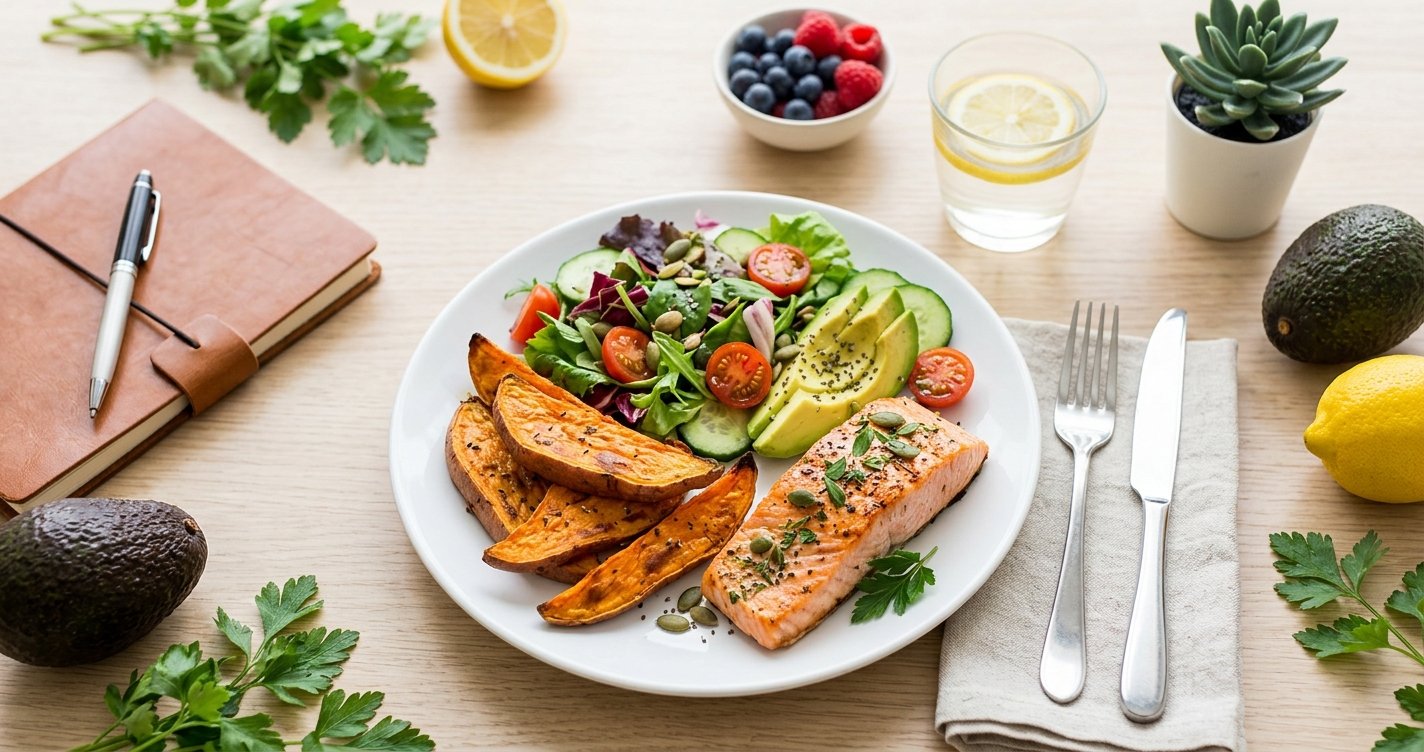
Beyond Calories: Your Guide to Sustainable Fat Loss with Smart Nutrition
Are you tired of the endless cycle of restrictive diets, calorie counting apps, and quick-fix promises that leave you feeling defeated and no closer to your fat loss goals? You're not alone. Many of us have been led to believe that fat loss is simply a matter of 'calories in, calories out' – a simplistic equation that often overlooks the complex interplay of hormones, metabolism, and nutrient quality. But what if there was a smarter, more sustainable path? A path that focuses not just on how much you eat, but what you eat, and how your body responds?
This post is your friendly, evidence-based guide to unlocking sustainable fat loss by shifting your focus from rigid calorie restriction to smart nutrition. We'll dive deep into how different foods impact your body, why nutrient quality trumps quantity, and how you can build eating habits that not only help you shed unwanted fat but also improve your overall health and well-being. Get ready to ditch the deprivation mindset and embrace a powerful, positive approach to nourishing your body for lasting results! this excellent wellness product
Why "Just Eat Less" Doesn't Always Work: The Flaws of Calorie Counting Alone
The 'calories in, calories out' model, while fundamentally true at a very basic level, is an oversimplification that often leads to frustration. Here's why relying solely on calorie counting can be misleading for sustainable fat loss:
- Metabolic Adaptation: Your body is incredibly smart. When you drastically cut calories, your metabolism can slow down to conserve energy, making further fat loss difficult. This is your body's survival mechanism kicking in.
- Nutrient Density Matters: 100 calories of broccoli is not the same as 100 calories of candy. Broccoli provides fiber, vitamins, and minerals that promote satiety and health, while candy offers empty calories that can spike blood sugar and leave you hungry sooner.
- Satiety Signals: Different foods affect your hunger and fullness hormones differently. A meal rich in protein and fiber will keep you feeling satisfied for much longer than a low-protein, high-sugar meal, even if they have the same caloric value.
- Individual Variability: Factors like genetics, gut microbiome, stress levels, sleep quality, and activity levels all influence how your body processes and utilizes calories. What works for one person might not work for another.
Focusing purely on calorie numbers can lead to eating nutrient-poor foods just to stay within a budget, neglecting the vital building blocks your body needs to thrive. It's time to look beyond the numbers and empower yourself with nutritional intelligence.
The Power Players: Macronutrients for Fat Loss
While all macronutrients (protein, fats, carbohydrates) are essential, understanding their unique roles can help you optimize your diet for fat loss and overall health.
Protein: Your Satiety Supercharger and Muscle Protector
If there's one macronutrient to prioritize for fat loss, it's protein. Here's why:
- High Thermic Effect: Protein requires more energy to digest and metabolize than fats or carbs, meaning you burn more calories just by eating it (this is called the Thermic Effect of Food, or TEF).
- Muscle Preservation: When you're in a calorie deficit, your body can break down muscle tissue for energy. Adequate protein intake helps preserve lean muscle mass, which is crucial for maintaining a healthy metabolism. More muscle = more calories burned at rest!
- Unmatched Satiety: Protein is incredibly filling. Studies consistently show that higher protein diets lead to greater feelings of fullness, reducing overall calorie intake naturally.
- Hormonal Balance: Protein helps regulate hunger hormones like ghrelin (hunger) and leptin (satiety), keeping your appetite in check.
Where to find it: Lean meats (chicken, turkey, beef), fish, eggs, dairy (Greek yogurt, cottage cheese), legumes (lentils, beans), tofu, tempeh, and protein powder.
Healthy Fats: Fueling Your Body, Not Storing It
For years, fat was demonized, but we now know that healthy fats are vital for numerous bodily functions and play a crucial role in fat loss.
- Hormone Production: Fats are essential for the production of hormones, including those involved in metabolism and satiety.
- Nutrient Absorption: Many vitamins (A, D, E, K) are fat-soluble, meaning they require fat to be absorbed by your body.
- Sustained Energy & Satiety: While higher in calories, fats slow down digestion, providing a steady stream of energy and contributing significantly to feelings of fullness. This can prevent energy crashes and subsequent cravings.
Where to find it: Avocados, nuts (almonds, walnuts), seeds (chia, flax, hemp), olive oil, fatty fish (salmon, mackerel), and coconut products (in moderation).
Smart Carbs: Fuel for Performance and Fiber for Fullness
Carbohydrates are your body's primary source of energy, and choosing the right ones is key for sustainable fat loss.
- Complex vs. Refined: Focus on complex carbohydrates (whole grains, vegetables, fruits) which are rich in fiber and nutrients, rather than refined carbs (white bread, sugary drinks, pastries) which offer little nutritional value and can cause blood sugar spikes and crashes.
- Fiber Power: Dietary fiber, found abundantly in complex carbs, is a game-changer. It adds bulk to your meals, promoting satiety, aids digestion, and helps regulate blood sugar levels, preventing those dreaded energy slumps and cravings.
- Energy for Activity: Smart carbs provide the fuel you need for workouts and daily activities, supporting your energy levels and preventing fatigue that can derail your fat loss efforts.
Where to find it: Whole grains (oats, quinoa, brown rice, whole-wheat bread), vegetables (broccoli, spinach, sweet potatoes), fruits (berries, apples, bananas), and legumes.
Beyond Macros: Micronutrients, Whole Foods, and Hydration
While macronutrients are the big three, don't underestimate the power of the smaller players and overall dietary patterns.
- Micronutrients: Vitamins and minerals are essential co-factors for thousands of metabolic processes in your body, including energy production and fat metabolism. A diet rich in whole foods naturally provides a wide spectrum of these vital nutrients.
- The Magic of Whole Foods: Prioritizing whole, unprocessed foods over highly processed alternatives is perhaps the single most impactful change you can make. Whole foods are naturally nutrient-dense, fiber-rich, and free from artificial additives, excessive sugars, and unhealthy fats that can hinder fat loss and health.
- Hydration is Key: Water is often overlooked, but it's crucial for fat loss. It helps with metabolism, nutrient transport, and can even act as a natural appetite suppressant. Sometimes, what feels like hunger is actually thirst! Aim for at least 8 glasses a day, more if you're active.
Timing and Mindful Eating: When and How You Eat Matters
Beyond what's on your plate, when and how you eat can significantly influence your fat loss journey.
Meal Timing: Is There a "Best" Time to Eat?
The science on optimal meal timing is still evolving, but here's what we know:
- Consistency Can Help: Eating at regular intervals can help regulate hunger hormones and blood sugar, preventing extreme hunger that often leads to overeating.
- Listen to Your Body: While some find success with intermittent fasting, others thrive on three square meals and snacks. The 'best' timing is what works for YOUR body, schedule, and energy levels. Don't force a rigid schedule if it causes stress.
- Avoid Late-Night Feasting: For many, eating large, calorie-dense meals right before bed can interfere with digestion and sleep quality, potentially impacting fat loss. Aim to finish your last meal a few hours before sleep if possible.
Mindful Eating: Connecting with Your Body's Signals
Mindful eating isn't a diet; it's a practice that teaches you to pay attention to your body's hunger and fullness cues, and to the experience of eating itself.
- Slow Down: It takes time for your stomach to signal your brain that it's full. Eating slowly allows these signals to register.
- Eliminate Distractions: Put away your phone, turn off the TV. Focus on the taste, texture, and aroma of your food.
- Check In: Before, during, and after eating, ask yourself: Am I truly hungry? Am I satisfied, or just full? Am I eating out of boredom, stress, or habit?
- Savor Each Bite: Enjoy your food! When you truly appreciate your meals, you're less likely to overeat or seek additional gratification from food later.
Practical Tips for Building Your Sustainable Fat Loss Plate
Ready to put this knowledge into action? Here are some simple, actionable steps to build a plate that supports sustainable fat loss:
- Prioritize Protein: Aim for a palm-sized portion of lean protein at every main meal.
- Load Up on Veggies: Fill at least half your plate with non-starchy vegetables. They're packed with fiber and nutrients for minimal calories.
- Choose Whole Grains: Opt for complex carbs like quinoa, brown rice, or whole-wheat bread over refined options. Keep portion sizes moderate, especially if your activity levels are lower.
- Don't Fear Healthy Fats: Include a thumb-sized portion of healthy fats with your meals for satiety and nutrient absorption.
- Hydrate Consistently: Keep a water bottle handy and sip throughout the day.
- Plan Ahead: Meal prepping or having healthy snack options ready can prevent impulsive, unhealthy choices.
- Be Patient and Consistent: Sustainable fat loss is a journey, not a race. Celebrate small victories and don't get discouraged by occasional slip-ups. Consistency is key!
Embrace the Journey: Your Path to Lasting Fat Loss
Moving beyond the restrictive mindset of calorie counting to embrace smart, sustainable nutrition is a powerful shift. It's about nourishing your body with high-quality foods that fuel your metabolism, satisfy your hunger, and support your overall health, rather than just chasing a number on the scale.
Remember, this isn't about perfection; it's about progress. Start by implementing one or two of these strategies, observe how your body responds, and gradually build habits that serve your long-term goals. With a focus on protein, healthy fats, smart carbs, whole foods, hydration, and mindful eating, you're not just losing fat – you're building a healthier, stronger, and more vibrant you. You've got this!