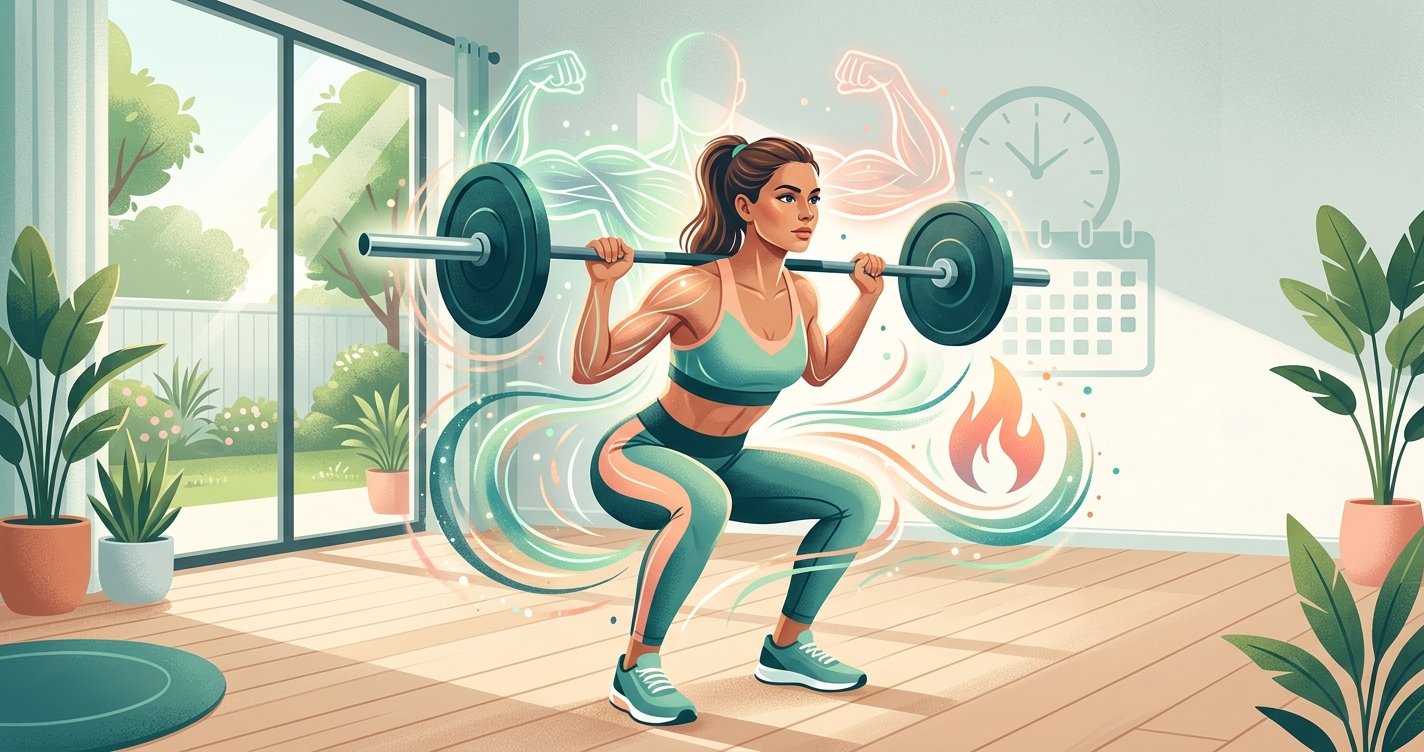
When you think about fat loss, what's the first thing that comes to mind? For many, it's endless hours on the treadmill, cycling through high-intensity cardio sessions, or sweating it out in a spin class. While cardiovascular exercise certainly plays a role in burning calories and improving heart health, it often overshadows a far more powerful and sustainable tool for transforming your body and achieving lasting fat loss: strength training.
It's time to shift our perspective. Imagine an approach that not only helps you shed fat but also sculpts your physique, boosts your metabolism 24/7, and empowers you with newfound strength and confidence. That's the magic of resistance training. Forget the myth that lifting weights will make you "bulky" – especially for women. Instead, embrace the science-backed reality that strength training is your secret weapon for building a leaner, stronger, and more resilient body. this excellent wellness product
Why Strength Training is Your Secret Weapon for Fat Loss
Let's dive into the compelling reasons why incorporating weights into your routine is not just beneficial, but essential for effective and sustainable fat loss.
The Metabolism Boost: Burn More Calories 24/7
One of the most significant advantages of strength training is its impact on your resting metabolic rate (RMR). Muscle tissue is metabolically more active than fat tissue. This means that even when you're resting, sleeping, or watching TV, your muscles are burning more calories just to maintain themselves. When you lift weights, you build and preserve muscle mass, which in turn elevates your RMR. So, the more muscle you have, the higher your baseline calorie burn, making fat loss a more efficient and ongoing process.
Reshaping Your Body: Beyond the Scale
Fat loss isn't just about the number on the scale; it's about body composition. You might weigh the same, but if you've replaced fat with muscle, your body will look and feel dramatically different. Muscle is denser than fat, meaning a pound of muscle takes up less space than a pound of fat. Strength training allows you to sculpt your body, creating definition, firmness, and a more toned appearance that cardio alone simply cannot achieve. This visual transformation can be incredibly motivating and is a true indicator of progress.
The Afterburn Effect (EPOC): Your Workout Doesn't End When You Do
Ever felt like your body was still working hard long after you finished a tough workout? That's the "afterburn effect," scientifically known as Excess Post-exercise Oxygen Consumption (EPOC). Intense strength training sessions create a greater EPOC compared to steady-state cardio. This means your body continues to burn calories at an elevated rate for hours, sometimes even up to 48 hours, after you've left the gym. Your body needs extra oxygen to recover, repair muscle tissue, and return to its pre-exercise state, all of which require energy (calories).
Bone Health and Longevity: A Bonus Benefit
Beyond fat loss, strength training offers a multitude of health benefits. The stress placed on your bones during weight-bearing exercises stimulates bone growth, increasing bone density and reducing the risk of osteoporosis later in life. Furthermore, building strength improves functional fitness, making everyday tasks easier, enhancing balance, and reducing the risk of falls as you age. It's an investment in your long-term health and independence.
Getting Started: Your Strength Training Journey
Ready to embrace the weights? Here's how to begin your strength training journey effectively and safely.
What Kind of Strength Training is Best?
For fat loss, focus on compound exercises that work multiple muscle groups simultaneously. Think squats, deadlifts, lunges, push-ups, overhead presses, and rows. These movements are highly effective because they engage more muscles, burn more calories, and elicit a greater hormonal response conducive to muscle building and fat burning. While isolation exercises (like bicep curls or tricep extensions) have their place, prioritize compound movements for maximum impact.
How Often Should You Train?
For beginners, 2-3 full-body strength training sessions per week on non-consecutive days are a great starting point. This allows your muscles adequate time to recover and grow. As you progress, you might move to a 3-4 day split, focusing on different muscle groups each day. Consistency is key, so find a schedule that you can stick to realistically.
Progressive Overload: The Key to Continuous Progress
To continue seeing results, your muscles need to be challenged regularly. This principle is called progressive overload. It means gradually increasing the demands placed on your body over time. This can be achieved by:
- Increasing the weight you lift.
- Doing more repetitions with the same weight.
- Performing more sets.
- Reducing rest times between sets.
- Improving your form and control.
Without progressive overload, your body adapts, and your progress will plateau. Always strive to challenge yourself safely.
Fueling Your Body for Success: Nutrition and Recovery
Strength training is just one piece of the puzzle. What you do outside the gym is equally crucial for fat loss and muscle gain.
Protein Power: Building Blocks for Muscle
Protein is paramount for muscle repair and growth. Aim for a high protein intake, roughly 0.7-1 gram of protein per pound of body weight. Distribute your protein intake throughout the day across all meals and snacks. Excellent sources include lean meats, poultry, fish, eggs, dairy, legumes, and protein supplements.
Carbs and Fats: Energy for Performance
Don't fear carbohydrates or healthy fats! Carbohydrates are your body's primary energy source, essential for fueling intense workouts and replenishing glycogen stores. Opt for complex carbs like whole grains, fruits, and vegetables. Healthy fats are vital for hormone production and overall health. Include sources like avocados, nuts, seeds, and olive oil in your diet. The key is balance and portion control within a slight calorie deficit for fat loss.
The Importance of Sleep and Recovery
Muscle growth and repair primarily happen when you're resting, not when you're actively working out. Aim for 7-9 hours of quality sleep per night. Poor sleep can negatively impact hormone levels (like ghrelin and leptin, which regulate hunger, and cortisol, a stress hormone), making fat loss more challenging. Incorporate rest days into your training schedule to allow your muscles to recover fully.
Common Myths Debunked
Let's address some of the persistent misconceptions that might be holding you back.
"I'll Get Too Bulky!"
This is arguably the biggest myth, especially among women. Building significant muscle mass is an incredibly challenging and time-consuming process that requires specific training protocols, caloric surpluses, and often, genetic predispositions or hormonal advantages. Most people, especially women, do not produce enough testosterone to easily become "bulky." Instead, strength training will lead to a lean, toned, and strong physique.
"Cardio is Enough for Fat Loss"
While cardio burns calories during the activity, its metabolic impact often ends shortly after. As discussed, strength training offers the afterburn effect and increases your resting metabolism, making it a more efficient long-term strategy for body composition changes. A combination of both is often ideal, but strength training should be the cornerstone for body recomposition.
"I'm Too Old/Unfit to Start"
It's never too late to start strength training! The human body is incredibly adaptable. Begin with lighter weights or even just your body weight, focusing on proper form. You can gradually increase intensity as you get stronger. Consult with a doctor or a certified personal trainer if you have any pre-existing conditions or are unsure where to begin.
Crafting Your Strength Training Routine
Here's a simple full-body workout example to get you started. Remember, consult with a professional to ensure proper form and safety.
- Warm-up: 5-10 minutes of light cardio (jogging, dynamic stretches).
- Squats: 3 sets of 8-12 repetitions.
- Push-ups (or incline push-ups): 3 sets of 8-12 repetitions.
- Dumbbell Rows (or resistance band rows): 3 sets of 8-12 repetitions per arm.
- Lunges: 3 sets of 8-12 repetitions per leg.
- Overhead Press (with dumbbells or resistance band): 3 sets of 8-12 repetitions.
- Plank: 3 sets, hold for 30-60 seconds.
- Cool-down: 5-10 minutes of static stretching.
Focus on controlled movements and feeling the muscle work. Rest for 60-90 seconds between sets.
Embrace the Strength, Embrace the Change
Moving beyond the cardio-centric mindset for fat loss can be incredibly liberating and effective. Strength training offers a powerful, sustainable, and empowering path to transforming your body, boosting your metabolism, and enhancing your overall health. It's not just about losing weight; it's about gaining strength, confidence, and a body that feels capable and resilient. So, pick up those weights, challenge yourself, and watch as your body truly begins to transform. Your journey to lasting fat loss and a stronger you starts now!