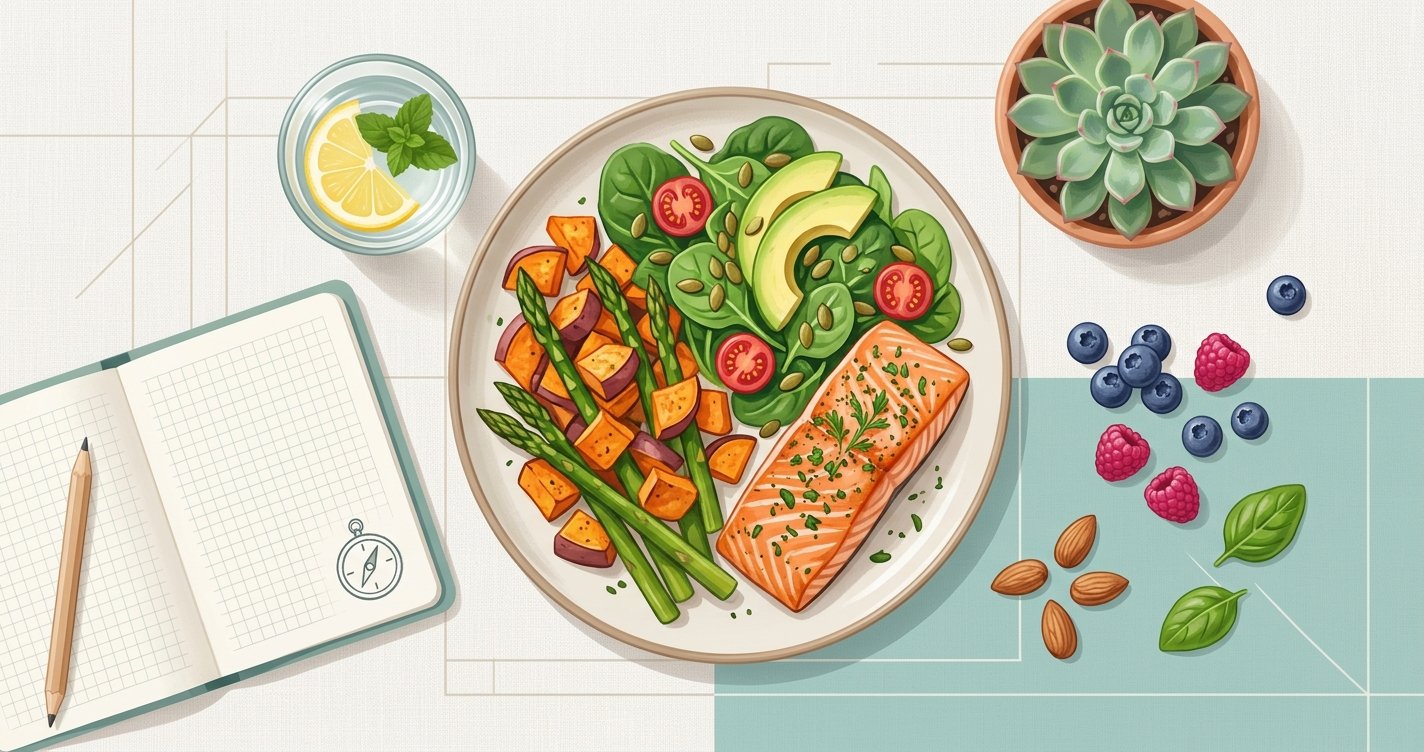
Tired of the Diet Rollercoaster? Embrace Sustainable Fat Loss!
If you've ever felt trapped in a cycle of restrictive diets, quick fixes, and frustrating rebounds, you're not alone. The world of fat loss is often clouded by misinformation, promising rapid results that rarely last. But what if we told you there's a more empowering, effective, and enjoyable path to achieving your fat loss goals – one that focuses on sustainability, nourishment, and a healthy relationship with food? Welcome to the blueprint for sustainable fat loss through smart nutrition.
This isn't about deprivation; it's about education, empowerment, and making choices that truly serve your body and your long-term well-being. We'll explore evidence-based strategies that help you shed unwanted fat, keep it off, and feel fantastic without sacrificing your favorite foods or your sanity. this excellent wellness product
The Core Principle: Understanding Your Calorie Deficit
At its heart, fat loss boils down to one fundamental scientific principle: creating a calorie deficit. This means consuming fewer calories than your body burns over a consistent period. Your body then taps into its stored fat reserves for energy.
- It's Not Starvation: A deficit doesn't mean eating tiny portions or feeling constantly hungry. It means strategic reduction.
- Calculate Your Needs: Understanding your Basal Metabolic Rate (BMR) – the calories your body burns at rest – and your Total Daily Energy Expenditure (TDEE) – BMR plus activity – is a great starting point. Many online calculators can provide an estimate.
- Aim for Moderation: A modest deficit of 300-500 calories per day is generally recommended for sustainable fat loss (about 1-2 pounds per week). This allows for consistent progress without crashing your metabolism or leaving you feeling depleted.
The beauty of sustainable nutrition is achieving this deficit not through extreme restriction, but by making smarter food choices that naturally lead to lower calorie intake while keeping you full and satisfied.
Quality Over Quantity: Nutrient-Dense Foods for Lasting Satiety
While a calorie deficit is non-negotiable, the type of calories you consume makes a world of difference. Nutrient-dense foods pack a powerful punch of vitamins, minerals, fiber, and protein with fewer calories, keeping you fuller for longer and nourishing your body from the inside out.
Prioritize Lean Proteins
Protein is your secret weapon for fat loss. It's highly satiating, meaning it helps you feel full and reduces cravings. Furthermore, protein is crucial for preserving muscle mass during a calorie deficit, which is vital for maintaining a healthy metabolism. Think chicken breast, turkey, fish, lean beef, eggs, Greek yogurt, cottage cheese, tofu, and lentils.
Embrace Fiber-Rich Carbohydrates
Forget the idea that all carbs are bad. Complex, fiber-rich carbohydrates like vegetables, fruits, and whole grains are essential. Fiber adds bulk to your meals, slowing digestion, promoting satiety, and supporting gut health. Load up on leafy greens, broccoli, berries, apples, oats, quinoa, and brown rice.
Don't Fear Healthy Fats (in Moderation)
Healthy fats are crucial for hormone production, nutrient absorption, and overall health. While calorie-dense, a small amount can contribute to satiety. Incorporate sources like avocados, nuts, seeds, olive oil, and fatty fish (salmon, mackerel) into your diet in controlled portions.
Mastering Your Macros: The Trio for Success
Understanding macronutrients – protein, carbohydrates, and fats – and their roles can empower you to build balanced meals that support fat loss.
Protein: Your Fat Loss Superpower
As mentioned, protein is king. Aim for 0.7-1 gram of protein per pound of body weight (or target body weight) daily, spread across your meals. This strategy aids muscle preservation, boosts satiety, and even has a slightly higher thermic effect (meaning your body burns more calories digesting protein).
Smart Carbs: Fueling Your Body Wisely
Focus on complex carbohydrates that provide sustained energy and fiber. Timing can also play a role; consuming more carbs around your workouts can optimize performance and recovery. Avoid excessive amounts of refined sugars and highly processed grains, which offer little nutritional value and can spike blood sugar.
Healthy Fats: Don't Fear the Fat
Fats are essential, but they are also the most calorie-dense macronutrient (9 calories per gram vs. 4 for protein and carbs). Focus on quality sources and be mindful of portion sizes. A tablespoon of olive oil or a quarter of an avocado is usually sufficient per meal.
Practical Strategies for Sustainable Eating
Knowledge is power, but application is what truly drives results. Here are actionable steps to integrate these principles into your daily life.
The Art of Meal Planning and Preparation
Failing to plan is planning to fail, especially when it comes to nutrition. Dedicate some time each week to plan your meals and snacks. This helps you make healthier choices, control portions, and avoid impulsive, less nutritious options.
- Grocery Lists: Stick to your list to prevent buying unhealthy impulse items.
- Batch Cooking: Prepare larger quantities of healthy staples (cooked chicken, roasted vegetables, quinoa) that you can mix and match throughout the week.
- Pack Your Lunch: Bringing your own healthy lunch to work or school is a game-changer for calorie and portion control.
Mindful Eating: Listening to Your Body
Beyond counting calories, mindful eating is a powerful tool for sustainable fat loss. It involves paying attention to your body's hunger and fullness cues, eating slowly, and savoring your food.
- Eat Slowly: It takes about 20 minutes for your brain to register that you're full.
- Tune In: Before eating, ask yourself if you're truly hungry or just bored, stressed, or thirsty.
- Stop When Satisfied: Aim to eat until you're comfortably full, not stuffed.
Hydration: A Simple Yet Powerful Tool
Often overlooked, adequate water intake is crucial for fat loss. Water helps with metabolism, can reduce feelings of hunger (sometimes thirst is mistaken for hunger), and supports overall bodily functions. Aim for at least 8 glasses of water daily, and more if you're active.
Beyond the Plate: Lifestyle Factors Supporting Nutrition
Your nutrition strategy doesn't exist in a vacuum. Other lifestyle factors significantly impact your ability to lose fat sustainably.
Sleep and Stress: Unseen Hurdles
Lack of sleep and chronic stress can wreak havoc on your fat loss efforts. They can disrupt hormones like ghrelin (hunger hormone) and leptin (satiety hormone), leading to increased cravings for unhealthy foods and stubborn belly fat. Prioritize 7-9 hours of quality sleep and find healthy ways to manage stress.
Exercise: The Perfect Partner
While you can't out-exercise a bad diet, physical activity is an incredible complement to smart nutrition. Strength training helps preserve and build muscle, boosting your metabolism. Cardiovascular exercise burns calories and improves heart health. Find activities you enjoy and make them a consistent part of your routine.
Overcoming Challenges: Staying on Track
Life happens! There will be social events, holidays, and days when you feel off track. The key to sustainable fat loss isn't perfection; it's consistency and resilience.
- Navigating Social Situations: Plan ahead. Offer to bring a healthy dish, eat a small, healthy snack before going out, and make mindful choices. Remember, one meal won't derail your progress.
- Bouncing Back: If you have an indulgent day, don't beat yourself up. Acknowledge it, learn from it, and get right back on track with your next meal. Consistency over time is what matters most.
Your Sustainable Journey Starts Now!
Sustainable fat loss isn't a race; it's a journey of self-discovery, consistency, and building habits that last a lifetime. By focusing on a moderate calorie deficit, prioritizing nutrient-dense foods, mastering your macros, and integrating mindful eating and healthy lifestyle habits, you're not just losing weight – you're building a healthier, happier, and more energetic you.
Embrace the process, be patient with yourself, and celebrate every small victory along the way. Your body will thank you, and you'll finally step off the diet rollercoaster for good.