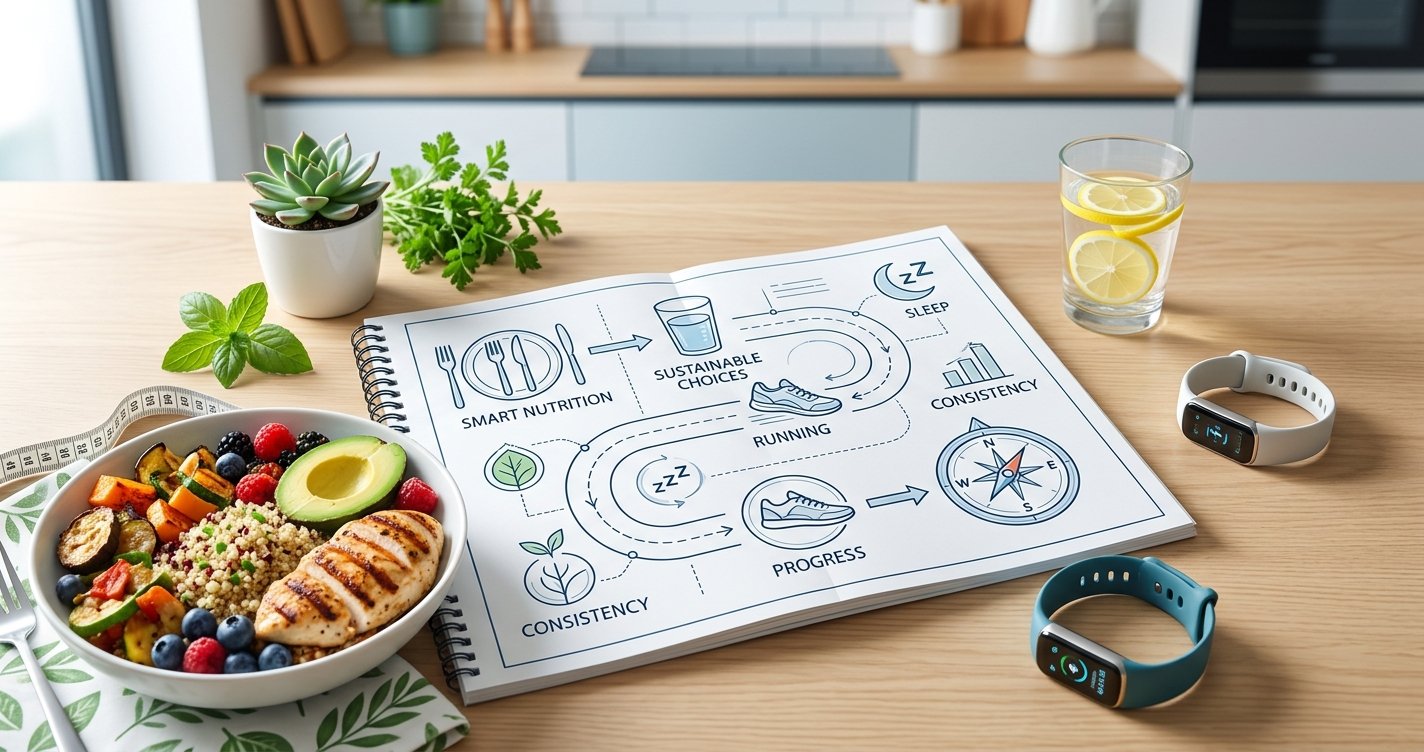
Are you tired of the endless cycle of crash diets, restrictive eating, and the frustrating yo-yo effect that leaves you feeling defeated? You’re not alone. In a world saturated with quick-fix solutions, it’s easy to get lost in the noise and lose sight of what truly matters: building sustainable habits for long-term health and genuine fat loss. This isn't about deprivation; it's about empowerment, understanding your body, and nourishing it intelligently. Let's ditch the fads and embark on a journey towards a healthier, happier you through smart, evidence-based nutrition that lasts.
Why Most Diets Fail (and What to Do Instead)
The diet industry is a multi-billion-dollar machine, yet statistics show that a vast majority of people who lose weight on restrictive diets regain it, often more, within a few years. Why? Because most diets are designed for short-term results, not long-term living. They often involve: this excellent wellness product
- Extreme restriction: Cutting out entire food groups or drastically reducing calories, leading to nutrient deficiencies and intense cravings.
- Lack of flexibility: Making social events or eating out a source of anxiety, rather than enjoyment.
- Unsustainable rules: Imposing rules that are impossible to maintain indefinitely, leading to feelings of failure and guilt when inevitably broken.
- Ignoring individual needs: A one-size-fits-all approach that doesn't account for personal preferences, metabolism, or lifestyle.
Instead of dieting, we need to adopt a lifestyle approach focused on sustainable nutrition. This means making gradual, enjoyable changes that you can maintain for life, rather than temporary sacrifices for fleeting results. It’s about building a positive relationship with food, understanding its role as fuel and pleasure, and making informed choices that support your goals.
The Core Principle: Caloric Deficit (But Make It Smart!)
At its heart, fat loss boils down to a fundamental scientific principle: consuming fewer calories than your body expends. This is known as creating a caloric deficit. When you consistently provide your body with less energy than it needs, it taps into its stored energy reserves – primarily body fat – to make up the difference. While simple in theory, achieving this sustainably is where the 'smart' part comes in.
You don't need to starve yourself or meticulously count every single calorie forever. A smart caloric deficit involves:
- Understanding your Basal Metabolic Rate (BMR) and Total Daily Energy Expenditure (TDEE): These numbers give you a starting point for how many calories your body burns at rest and with activity. Online calculators can help estimate these.
- Aiming for a moderate deficit: A deficit of 300-500 calories per day is generally recommended for safe and sustainable fat loss (about 1-2 pounds per week). This allows for steady progress without feeling overly deprived or risking muscle loss.
- Prioritizing nutrient density: Focusing on whole, unprocessed foods that provide ample nutrients for fewer calories helps you feel full and satisfied, making the deficit easier to maintain.
- Listening to your body: While tracking can be a useful tool initially, learning to recognize true hunger and fullness cues is crucial for long-term success.
Remember, consistency trumps perfection. Even small, consistent deficits add up over time to significant results.
Macronutrients Matter: Fueling Your Body for Fat Loss
Beyond total calories, the composition of your diet – your macronutrients (protein, carbohydrates, and fats) – plays a vital role in fat loss, satiety, and overall health. Each macro has a unique job:
Protein: Your Satiety & Muscle Guardian
Protein is your best friend for fat loss. It's highly satiating, meaning it keeps you feeling fuller for longer, reducing the likelihood of overeating. Furthermore, protein is crucial for preserving muscle mass during a caloric deficit. The more muscle you have, the higher your resting metabolism, meaning you burn more calories even at rest. Aim for 0.7-1 gram of protein per pound of body weight, distributed across your meals. Excellent sources include lean meats, poultry, fish, eggs, dairy, legumes, and tofu.
Carbohydrates: Energy for Life (Choose Wisely!)
Carbohydrates have unfairly earned a bad rap in some diet circles, but they are your body's primary source of energy. The key is choosing the right kind. Focus on complex, fiber-rich carbohydrates over refined sugars and processed grains. Fiber slows digestion, promotes satiety, helps regulate blood sugar, and supports gut health. Think whole grains (oats, brown rice, quinoa), fruits, and a rainbow of vegetables. These provide sustained energy without the energy crashes associated with simple sugars.
Fats: Essential for Health & Hormones
Dietary fats are essential for hormone production, nutrient absorption, and providing a concentrated source of energy. While calorie-dense, healthy fats contribute to satiety and play a crucial role in overall health. Focus on unsaturated fats found in avocados, nuts, seeds, olive oil, and fatty fish (like salmon). Limit saturated and trans fats found in processed foods. About 20-30% of your daily calories from healthy fats is a good general guideline.
Beyond Macros: The Power of Whole Foods and Hydration
While macronutrients provide the framework, the quality of your food choices within those categories is paramount. Prioritizing whole, unprocessed foods is a cornerstone of sustainable fat loss and overall well-being.
- Nutrient Density: Whole foods (fruits, vegetables, lean proteins, whole grains) are packed with vitamins, minerals, and antioxidants that support bodily functions, boost immunity, and provide sustained energy. Processed foods, on the other hand, often contain empty calories, added sugars, unhealthy fats, and artificial ingredients that offer little nutritional value.
- Fiber-Rich Goodness: We've touched on fiber, but it deserves extra emphasis. Found abundantly in fruits, vegetables, whole grains, and legumes, fiber is a game-changer for satiety, digestive health, and blood sugar control – all crucial for fat loss.
- Hydration is Key: Don't underestimate the power of water! Staying adequately hydrated supports metabolism, aids in nutrient transport, helps flush out toxins, and can even help manage hunger cues (sometimes thirst is mistaken for hunger). Aim for at least 8 glasses of water a day, more if you're active.
Think of your plate as a canvas for vibrant, natural colors. The more diverse and colorful your diet, the more nutrients you're likely getting.
Mindset and Habits: The Unsung Heroes of Sustainable Fat Loss
Physical changes are often a reflection of internal shifts. Your mindset and daily habits are just as crucial as your food choices when it comes to sustainable fat loss.
- Mindful Eating: Slow down, savor your food, and pay attention to your body's hunger and fullness signals. Eating mindfully can prevent overeating and enhance your enjoyment of meals. Put away distractions like phones and TVs.
- Portion Control: Learning appropriate portion sizes is vital. You don't need to weigh everything forever, but understanding what a serving looks like can be incredibly helpful. Use smaller plates, measure out snacks, and practice visual cues.
- Stress Management: Chronic stress can elevate cortisol levels, which can promote fat storage, especially around the midsection. Find healthy ways to manage stress, such as meditation, yoga, spending time in nature, or engaging in hobbies.
- Quality Sleep: Adequate sleep is non-negotiable for fat loss. Lack of sleep can disrupt hunger-regulating hormones (ghrelin and leptin), leading to increased appetite and cravings for unhealthy foods. Aim for 7-9 hours of quality sleep per night.
- Consistency, Not Perfection: You will have off days. You will make choices that aren't 'perfect.' That's okay! The key is to get back on track with your next meal or the next day. Sustainable fat loss is a marathon, not a sprint.
Cultivating patience and self-compassion throughout this journey is paramount. Celebrate small victories and learn from setbacks without judgment.
Practical Strategies to Implement Today
Ready to put theory into practice? Here are actionable steps you can start taking right now:
- Meal Prep Power: Dedicate a few hours each week to plan and prepare healthy meals and snacks. Having nutritious options readily available prevents impulsive, unhealthy choices when hunger strikes.
- Smart Snacking: If you need snacks, choose wisely. Opt for protein-rich options like Greek yogurt, hard-boiled eggs, a handful of nuts, or fruit with nut butter to keep you satisfied between meals.
- Hydrate Before You Eat: Drink a large glass of water 15-30 minutes before meals. This can help with satiety and prevent overeating.
- Learn to Read Labels: Become an informed consumer. Pay attention to serving sizes, sugar content, unhealthy fats, and fiber on food labels.
- Cook More at Home: Taking control of your ingredients and cooking methods is one of the most effective ways to manage your calorie and nutrient intake.
- Find Joy in Movement: While this post focuses on nutrition, remember that physical activity complements fat loss beautifully. Find activities you genuinely enjoy to make movement a sustainable part of your life.
- Seek Professional Guidance: If you're struggling, consider consulting a registered dietitian or a certified nutrition coach. They can provide personalized advice and support tailored to your unique needs.
Your Sustainable Fat Loss Journey Starts Now
True, lasting fat loss isn't about chasing fleeting trends or punishing your body with extreme restrictions. It's about empowering yourself with knowledge, building sustainable habits, and fostering a positive relationship with food and your body. By focusing on smart caloric deficits, prioritizing nutrient-dense whole foods, balancing your macronutrients, and nurturing a healthy mindset, you can unlock a healthier, more vibrant you – not just for a season, but for life.
Embrace this journey with patience, consistency, and self-compassion. You have the power to transform your health and achieve the sustainable fat loss you desire. Start today, one smart nutritional choice at a time!