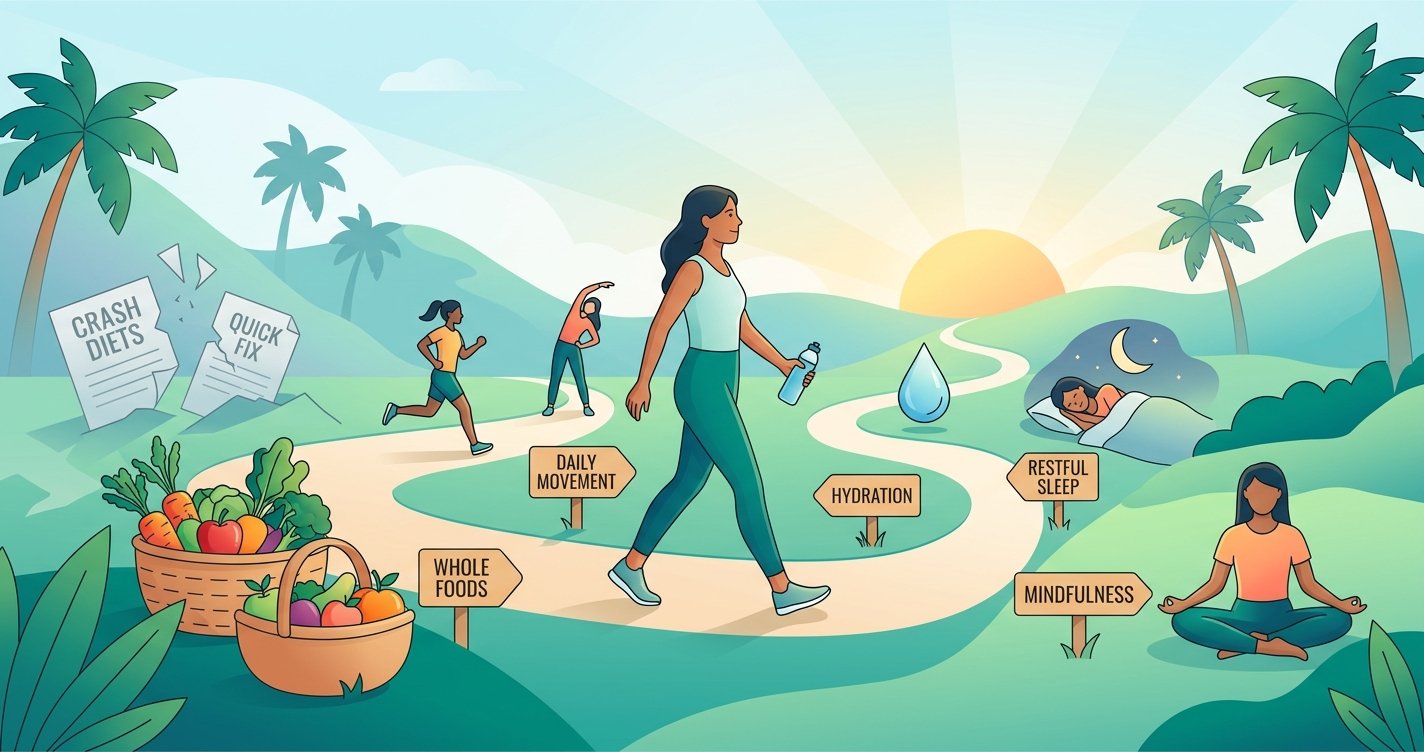
Are you tired of the endless cycle of restrictive diets, quick fixes, and the inevitable rebound? You're not alone. Many people embark on their fat loss journey with the best intentions, only to find themselves frustrated and discouraged when the results don't last. The truth is, sustainable fat loss isn't about deprivation or extreme measures; it's about cultivating healthy habits that seamlessly integrate into your life, leading to lasting change and improved well-being. This guide will help you ditch the fleeting fads and build a foundation for a healthier, happier you.
The Vicious Cycle of Crash Diets: Why Quick Fixes Fail
The allure of rapid fat loss is powerful, promising quick results with minimal effort. However, crash diets, which often involve severe calorie restriction or cutting out entire food groups, are inherently unsustainable. While they might lead to initial weight drop (often water weight and muscle mass, not just fat), they typically trigger a cascade of negative effects: nutrient deficiencies, metabolic slowdown, intense cravings, and a damaged relationship with food. Once the diet ends, previous habits often return, and the lost weight, plus extra, comes back. This yo-yo dieting pattern is not only demotivating but can also be detrimental to your health. this excellent wellness product
The key to breaking this cycle lies in shifting your focus from short-term fixes to long-term habit building. Instead of asking, “What can I cut out?” ask, “What healthy habits can I add and sustain?”
Fueling Your Body Smartly: Nutrition for Lasting Results
Nutrition is the cornerstone of any successful fat loss journey, but it doesn't have to be complicated or joyless. It's about making informed choices that nourish your body, keep you feeling satisfied, and support your metabolism.
Prioritize Protein Power
Protein is your secret weapon for fat loss. It’s incredibly satiating, meaning it helps you feel fuller for longer, reducing the urge to snack unnecessarily. Furthermore, protein plays a crucial role in preserving muscle mass during a calorie deficit, which is vital because muscle burns more calories at rest than fat.
- Examples: Lean meats (chicken breast, turkey), fish, eggs, dairy (Greek yogurt, cottage cheese), legumes (lentils, beans), tofu, tempeh, protein powder.
Embrace Fiber-Rich Foods
Fiber is another powerhouse nutrient for satiety and digestive health. Foods high in fiber often require more chewing, slowing down your eating pace, and their bulk helps fill you up without adding many calories. Soluble fiber, in particular, can help regulate blood sugar levels and improve gut health.
- Examples: Vegetables (broccoli, spinach, carrots), fruits (berries, apples, pears), whole grains (oats, quinoa, brown rice), nuts, seeds.
Hydration is Key
Often overlooked, adequate water intake is fundamental for fat loss. Water supports metabolism, aids in nutrient transport, and can even help manage hunger cues. Sometimes, what we perceive as hunger is actually thirst.
- Tip: Carry a water bottle with you and aim to drink regularly throughout the day. Try a glass of water before each meal.
Mindful Eating: Listen to Your Body
Beyond what you eat, how you eat matters. Mindful eating involves paying attention to your body's hunger and fullness signals, savoring your food, and eating without distractions. This practice can prevent overeating and help you truly enjoy your meals.
- Practice: Eat slowly, chew thoroughly, put your fork down between bites, and stop when you feel satisfied, not stuffed.
Move with Purpose, Live with Energy: Exercise for Fat Loss and Well-being
Physical activity is not just about burning calories; it's about building strength, improving cardiovascular health, boosting mood, and increasing your metabolic rate. Find activities you genuinely enjoy, and exercise will become a sustainable habit rather than a chore.
Strength Training: Your Metabolic Booster
Building muscle is one of the most effective strategies for long-term fat loss. Muscle tissue is metabolically active, meaning it burns more calories at rest than fat tissue. Incorporating strength training a few times a week will not only help you burn fat but also sculpt your body and increase your overall strength.
- How to start: Use bodyweight exercises, resistance bands, dumbbells, or gym machines. Aim for 2-3 sessions per week, targeting all major muscle groups.
Cardio: Heart Health & Calorie Burn
Cardiovascular exercise is excellent for heart health, endurance, and burning calories during the activity. It can also be a fantastic stress reliever.
- Variety is key: Walking, jogging, cycling, swimming, dancing, hiking – choose activities you find enjoyable to ensure consistency.
The Power of NEAT: Move More, Everyday
NEAT (Non-Exercise Activity Thermogenesis) refers to the energy expended for everything we do that is not sleeping, eating, or sports-like exercise. Increasing your NEAT can significantly contribute to your daily calorie expenditure without feeling like a formal workout.
- Simple boosts: Take the stairs, park further away, walk during phone calls, do housework, stand more often, take short walking breaks throughout the day.
The Unsung Heroes: Sleep and Stress Management
Often overlooked, adequate sleep and effective stress management are critical components of a successful fat loss journey. They directly impact your hormones, cravings, and overall energy levels.
Quality Sleep: Your Hormonal Balancer
Lack of sleep disrupts the delicate balance of hormones that regulate hunger and satiety. Ghrelin, the hunger hormone, increases, while leptin, the satiety hormone, decreases. This imbalance can lead to increased cravings for unhealthy foods and overeating. Poor sleep also elevates cortisol levels, which can promote fat storage, particularly around the abdomen.
- Tips for better sleep: Aim for 7-9 hours per night, establish a consistent sleep schedule, create a relaxing bedtime routine, and avoid screens an hour before bed.
Master Stress, Master Cravings
Chronic stress, like sleep deprivation, can lead to elevated cortisol levels. This not only encourages fat storage but can also trigger emotional eating, where food becomes a coping mechanism for uncomfortable feelings. Learning to manage stress is crucial for both mental well-being and fat loss.
- Stress reduction techniques: Meditation, yoga, deep breathing exercises, spending time in nature, journaling, hobbies, and social connection.
Cultivating a Resilient Mindset: Patience and Persistence
Fat loss is not a linear journey; there will be ups and downs. A resilient mindset, characterized by patience, self-compassion, and a focus on progress over perfection, is essential for long-term success.
Set Realistic, Achievable Goals
Instead of aiming for an unrealistic weight loss target in a short period, focus on setting small, actionable process goals. For example, instead of “lose 20 pounds in a month,” try “eat a protein-rich breakfast daily” or “walk 30 minutes, 5 times a week.”
Track Progress Beyond the Scale
The scale is just one metric, and it doesn't tell the whole story. Muscle gain, water fluctuations, and hormonal changes can all affect your weight without reflecting your fat loss progress. Look for non-scale victories (NSVs) to stay motivated.
- NSV examples: Clothes fitting better, increased energy, improved mood, better sleep, stronger lifts, clearer skin, better digestion.
Embrace Imperfection: Dealing with Setbacks
You will have days where you miss a workout or indulge more than planned. That's perfectly normal! The key is not to let one slip-up derail your entire journey. Acknowledge it, learn from it, and get back on track with your next meal or activity. Self-compassion is far more effective than self-criticism.
Your Journey to Lasting Change: Small Steps, Big Impact
Building sustainable habits for lasting fat loss is a marathon, not a sprint. It requires patience, consistency, and a willingness to adapt. Remember, you don't need to overhaul everything at once. Start small, focus on one or two habits at a time, and gradually build upon your successes. Each healthy choice you make is a step towards a stronger, healthier, and happier you.
- Start today: Pick one small habit from this guide – maybe adding a protein source to each meal, taking a 15-minute walk, or committing to an earlier bedtime – and focus on making it consistent for a week.
- Be kind to yourself: Celebrate your progress, learn from your setbacks, and never give up on your commitment to a healthier lifestyle.
- Seek support: Whether from friends, family, a coach, or a community, having support can make a huge difference in staying motivated and accountable.
Your journey to lasting fat loss is about empowering yourself with knowledge and building a lifestyle you love. Embrace the process, trust your body, and enjoy the incredible benefits of sustainable health.