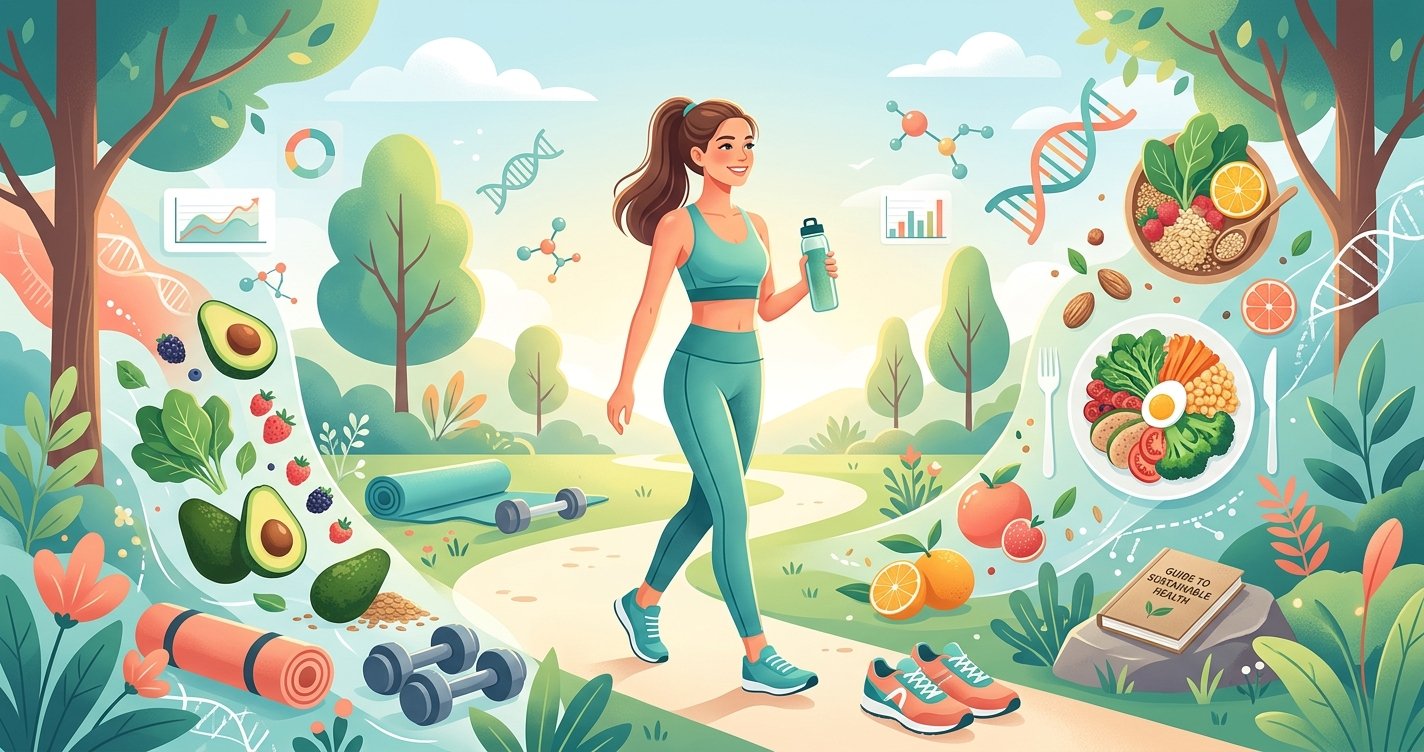
Beyond Crash Diets: Your Science-Backed Guide to Sustainable Fat Loss
Are you tired of the endless cycle of crash diets, quick fixes, and disappointing rebounds? You’re not alone. In a world saturated with promises of rapid weight loss, it’s easy to feel frustrated when those extreme measures inevitably fail to deliver lasting results. But what if there was a better way? A path to fat loss that not only helps you shed unwanted pounds but also empowers you to build a healthier, happier life for the long haul?
Welcome to the world of sustainable fat loss – a friendly, evidence-based approach that moves beyond temporary deprivation and focuses on creating habits that truly stick. This isn't about rigid rules or impossible restrictions; it's about understanding your body, nourishing it wisely, moving it joyfully, and cultivating a mindset that supports your success. Let's dive into the science and practical strategies that will help you achieve lasting fat loss, once and for all. this excellent wellness product
Understanding the "Why": The Pitfalls of Quick Fixes
Before we build a sustainable strategy, it’s crucial to understand why many popular "quick fix" diets fall short. While they might offer initial dramatic weight loss, often a significant portion of that is water and even muscle, not just fat. The human body is incredibly adaptable, and when faced with severe calorie restriction, it responds by slowing metabolism to conserve energy. This makes it harder to lose weight and easier to regain it once you return to normal eating patterns.
Moreover, these diets are often nutritionally incomplete, difficult to adhere to, and can lead to nutrient deficiencies, mood swings, and an unhealthy relationship with food. Sustainable fat loss, by contrast, prioritizes your overall health, aiming for gradual, consistent progress that your body and mind can comfortably maintain.
Pillar 1: Nutrition That Nourishes (Not Deprives)
Nutrition is the cornerstone of any fat loss journey. But instead of focusing on what you can't eat, let's shift our perspective to what you can add to your plate for optimal health and sustainable results.
Calorie Awareness, Not Obsession
At its core, fat loss comes down to creating a consistent, moderate calorie deficit – meaning you consume slightly fewer calories than your body burns. However, this doesn't mean meticulously counting every single calorie for the rest of your life. Start by gaining an understanding of portion sizes and the caloric density of different foods. Focus on whole, unprocessed foods, and you'll naturally find it easier to manage your intake without feeling starved.
Prioritize Protein
Protein is your secret weapon for fat loss. It's incredibly satiating, helping you feel fuller for longer and reducing overall calorie intake. Furthermore, adequate protein intake is crucial for preserving lean muscle mass during a calorie deficit, which helps keep your metabolism humming. Aim for a protein source with every meal – think lean meats, poultry, fish, eggs, dairy, legumes, and tofu.
Embrace Whole Foods
Load up on fruits, vegetables, whole grains, and healthy fats. These foods are packed with fiber, vitamins, and minerals. Fiber, in particular, aids digestion, promotes fullness, and helps regulate blood sugar. Swapping processed snacks for a piece of fruit or a handful of nuts can make a significant difference.
Hydration is Key
Don't underestimate the power of water! Sometimes, our bodies confuse thirst with hunger. Drinking plenty of water throughout the day can help manage appetite, boost metabolism, and keep your bodily functions running smoothly. Aim for at least 8 glasses a day, and consider having a glass before meals.
Pillar 2: Move Your Body, Love Your Life
While nutrition plays the biggest role in creating a calorie deficit, physical activity is vital for boosting metabolism, building strength, improving mood, and enhancing overall health. It's not just about burning calories; it's about building a stronger, more capable you.
Strength Training: Your Metabolic Supercharger
If you're not lifting weights, you're missing out! Strength training builds and maintains muscle mass. More muscle means a higher resting metabolic rate (RMR), meaning your body burns more calories even when you're at rest. Aim for 2-4 sessions per week, focusing on compound movements that work multiple muscle groups.
Cardio: Heart Health & Calorie Burn
Cardiovascular exercise, like brisk walking, jogging, cycling, or swimming, is excellent for heart health, endurance, and burning extra calories. Find an activity you enjoy and make it a regular part of your routine. Whether it's high-intensity interval training (HIIT) or steady-state cardio, consistency is key.
NEAT: The Unsung Hero
NEAT, or Non-Exercise Activity Thermogenesis, refers to the calories you burn through everyday movements not related to structured exercise. Think walking more, taking the stairs, standing while working, or even fidgeting. These small movements add up significantly over the course of a day and can have a profound impact on your overall calorie expenditure.
Pillar 3: The Power of Rest & Recovery
Often overlooked, sleep and stress management are critical components of sustainable fat loss. Your body does a lot of important work while you're resting.
Sleep for Success
Lack of sleep can wreak havoc on your hormones, specifically ghrelin (the hunger hormone) and leptin (the satiety hormone). When you're sleep-deprived, ghrelin levels rise, making you feel hungrier, while leptin levels drop, making it harder to feel full. Aim for 7-9 hours of quality sleep per night to keep these hormones in check and support your fat loss goals.
Stress Management
Chronic stress triggers the release of cortisol, a hormone that can promote fat storage, particularly around the abdominal area. Find healthy ways to manage stress, whether it's through meditation, yoga, spending time in nature, or hobbies you enjoy. Prioritizing your mental well-being is just as important as your physical efforts.
Pillar 4: Mindset Matters: Cultivating a Healthy Relationship with Food & Self
Your mental approach to fat loss can make or break your journey. It's about fostering a positive relationship with food, your body, and the process itself.
Mindful Eating
Slow down and pay attention to your meals. Notice the flavors, textures, and smells. Eat without distractions, and listen to your body's hunger and fullness cues. This practice can help you enjoy your food more, prevent overeating, and build a healthier connection to what you consume.
Patience and Consistency
Sustainable fat loss is a marathon, not a sprint. There will be plateaus, challenges, and perhaps even setbacks. The key is to remain patient, focus on consistency over perfection, and understand that progress isn't always linear. Celebrate small victories and learn from challenges.
Self-Compassion
Be kind to yourself. If you have an off day or make a less-than-ideal food choice, don't let it derail your entire effort. Acknowledge it, learn from it, and get back on track with your next meal or workout. Self-compassion fosters resilience and prevents the all-or-nothing mindset that often leads to giving up.
Putting It All Together: Your Actionable Steps
Ready to embark on your sustainable fat loss journey? Here are some practical steps to get started:
- Start Small: Don't try to overhaul everything at once. Pick one or two habits to focus on each week, like adding more protein to breakfast or taking a 20-minute walk daily.
- Plan Ahead: Meal prepping and planning your workouts can significantly increase your chances of success.
- Track Progress (Beyond the Scale): While the scale can be a tool, also pay attention to how your clothes fit, your energy levels, your strength gains, and your overall mood.
- Seek Support: Share your goals with friends or family, or consider working with a coach or nutritionist for personalized guidance.
- Listen to Your Body: Learn to differentiate between physical hunger and emotional hunger. Adjust your activity and nutrition based on how you feel.
Sustainable fat loss isn't about deprivation; it's about empowerment. It's about building a foundation of healthy habits that serve you for a lifetime, not just for a season. By focusing on nourishing nutrition, consistent movement, adequate rest, and a positive mindset, you can achieve lasting results and truly transform your health. Your journey to a healthier, happier you starts now!