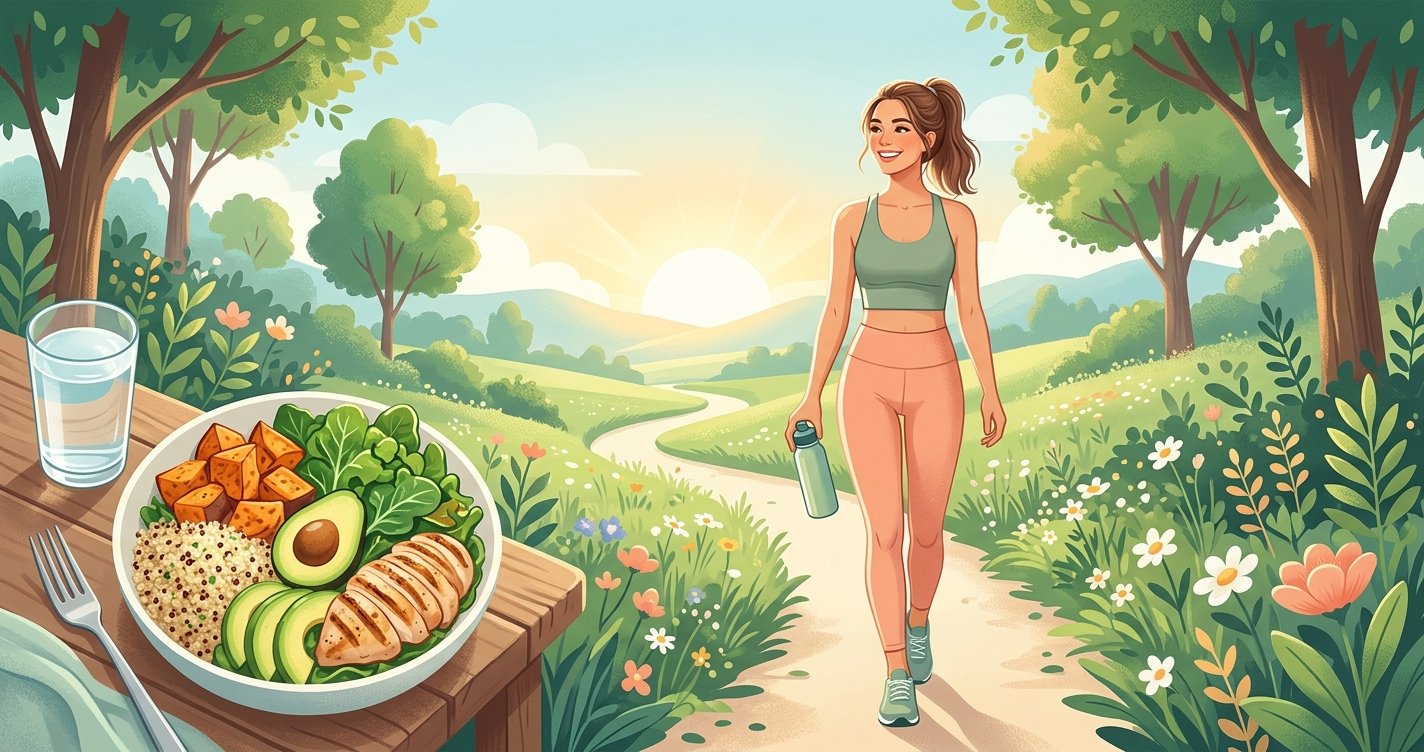
Are you tired of the endless cycle of crash diets, rapid weight loss followed by an inevitable rebound? You're not alone. Millions embark on fat loss journeys each year, only to find themselves frustrated, defeated, and often heavier than when they started. The truth is, quick fixes rarely lead to lasting results. True, sustainable fat loss isn't about deprivation; it's about building healthy habits that nourish your body, mind, and spirit for the long haul.
This comprehensive guide will steer you away from the pitfalls of restrictive diets and towards a balanced, evidence-based approach to fat loss that you can maintain for life. We'll explore the science behind sustainable weight management, offering practical, friendly, and encouraging advice to help you achieve your goals and keep the fat off for good. this excellent wellness product
Why Crash Diets Fail: Understanding the Vicious Cycle
Crash diets promise rapid results by drastically cutting calories, eliminating entire food groups, or relying on extreme supplements. While you might see the scale drop quickly, this approach is fundamentally flawed and rarely sustainable. Here's why they often backfire:
- Metabolic Slowdown: Your body is smart. When faced with extreme calorie restriction, it interprets this as starvation and slows down your metabolism to conserve energy. This makes it harder to lose fat and easier to regain it once you return to normal eating.
- Muscle Loss: Rapid weight loss from crash diets often includes a significant amount of muscle mass, not just fat. Muscle is metabolically active, meaning it burns more calories at rest. Losing muscle further slows your metabolism, making future fat loss even more challenging.
- Nutrient Deficiencies: Restrictive eating can lead to a lack of essential vitamins, minerals, and macronutrients, impacting your energy levels, mood, and overall health.
- Psychological Toll: Constant hunger, cravings, and the feeling of deprivation can lead to irritability, poor concentration, and an unhealthy relationship with food. This often culminates in binge eating, guilt, and the dreaded 'yo-yo effect.'
- Unsustainability: Can you really eat only cabbage soup or drink only juice for the rest of your life? Of course not. These diets are impossible to maintain, setting you up for failure and disappointment.
Sustainable fat loss, on the other hand, focuses on gradual, consistent changes that you can incorporate into your everyday life, leading to lasting health benefits and a body you feel good in.
The Cornerstone: Calorie Deficit, Smarter, Not Harder
At its core, fat loss requires a calorie deficit – consuming fewer calories than your body burns. However, the key is to create this deficit intelligently and sustainably, without extreme deprivation.
- Moderate Deficit: Aim for a modest deficit of 300-500 calories per day. This allows for steady fat loss (typically 1-2 pounds per week) without triggering the body's starvation response or leading to muscle loss.
- Focus on Nutrient Density: Instead of just cutting calories, prioritize nutrient-dense foods. These are foods that provide a high amount of vitamins, minerals, and fiber for relatively few calories (e.g., vegetables, fruits, lean proteins). They keep you feeling full and satisfied, making the deficit easier to manage.
- Portion Control, Not Starvation: Learn to recognize appropriate portion sizes. Using smaller plates, measuring servings, and paying attention to hunger cues can help you naturally reduce calorie intake without feeling deprived.
- Track (Initially): For some, tracking calories for a few weeks can be incredibly insightful. It helps you understand the calorie content of your favorite foods and identify areas where you can make smarter choices. However, this isn't meant to be a permanent solution, but a learning tool.
Fueling Your Body Right: Nutrition for Long-Term Success
Nutrition is arguably the most crucial component of sustainable fat loss. It's not just about what you cut out, but what you consistently put in.
Protein Powerhouse: Your Ally Against Hunger
Protein is your best friend for fat loss. It's highly satiating, meaning it keeps you feeling full for longer, reducing overall calorie intake. Furthermore, it's essential for preserving muscle mass during a calorie deficit and has a higher thermic effect than carbs or fats (meaning your body burns more calories digesting it).
- Sources: Lean meats (chicken, turkey, beef), fish (salmon, cod), eggs, dairy (Greek yogurt, cottage cheese), legumes (lentils, beans), tofu, tempeh, protein powder.
- Aim: Include a source of lean protein with every meal.
Smart Carbs & Healthy Fats: Energy and Essential Nutrients
Don't fear carbohydrates or fats! They are vital for energy, hormone production, and overall health. The key is choosing the right types.
- Complex Carbohydrates: Found in whole grains (oats, quinoa, brown rice), fruits, and vegetables. These provide sustained energy, fiber (which aids digestion and satiety), and essential nutrients. Limit refined carbs like white bread, sugary cereals, and pastries.
- Healthy Fats: Essential for hormone production, nutrient absorption, and brain health. Sources include avocados, nuts, seeds, olive oil, and fatty fish. While healthy, fats are calorie-dense, so consume them in moderation.
Hydration & Micronutrients: The Unsung Heroes
Don't underestimate the power of water and micronutrients (vitamins and minerals). Staying hydrated is crucial for metabolism, energy levels, and can help manage hunger. A diet rich in fruits and vegetables ensures you're getting a wide array of vitamins and minerals vital for optimal body function.
Move Your Body, Love Your Body: The Role of Exercise
While nutrition creates the calorie deficit, exercise amplifies fat loss, builds a strong body, and improves overall health. It's about finding activities you enjoy and can stick with.
Strength Training: Your Metabolic Supercharger
Often overlooked by those focusing solely on cardio, strength training is paramount for fat loss. Building muscle increases your resting metabolic rate (RMR), meaning you burn more calories even when you're not exercising. It also shapes your body, giving you a leaner, more toned physique.
- Frequency: Aim for 2-4 sessions per week, targeting all major muscle groups.
- Examples: Lifting weights, bodyweight exercises (squats, push-ups, lunges), resistance bands.
Cardio for Heart Health & Calorie Burn
Cardiovascular exercise is excellent for burning calories, improving heart health, and boosting mood. It can complement your strength training routine.
- Moderate Intensity: Brisk walking, jogging, cycling, swimming, dancing.
- High-Intensity Interval Training (HIIT): Short bursts of intense exercise followed by brief recovery periods. HIIT is time-efficient and can be very effective for fat loss.
NEAT: The Unsung Hero of Daily Movement
Non-Exercise Activity Thermogenesis (NEAT) refers to the calories you burn from everyday movements that aren't formal exercise. Increasing your NEAT can significantly contribute to your daily calorie expenditure.
- Examples: Taking the stairs, parking further away, standing more, walking during phone calls, cleaning, gardening.
Beyond Food & Exercise: Lifestyle Factors That Matter
Sustainable fat loss isn't just about what you eat and how you move; it's deeply intertwined with your overall lifestyle.
The Power of Sleep: Rest for Results
Lack of sleep can sabotage your fat loss efforts. Studies show that insufficient sleep disrupts hormones that regulate appetite (ghrelin and leptin) and increases cortisol, a stress hormone linked to belly fat storage. Aim for 7-9 hours of quality sleep per night.
Stress Management: Tame Your Cortisol
Chronic stress elevates cortisol levels, which can promote fat storage, particularly around the abdomen. Finding healthy ways to manage stress is crucial. This could include meditation, yoga, spending time in nature, hobbies, or deep breathing exercises.
Mindful Eating & Emotional Well-being
Many people eat for reasons other than physical hunger – boredom, stress, sadness, or habit. Practicing mindful eating involves paying attention to your hunger and fullness cues, savoring your food, and eating without distractions. Addressing emotional eating patterns is a significant step towards sustainable fat loss and a healthier relationship with food.
Setting Realistic Goals & Building Habits for Life
The journey to sustainable fat loss is a marathon, not a sprint. Patience, consistency, and self-compassion are your greatest tools.
- Focus on Small, Achievable Changes: Instead of overhauling everything at once, pick one or two habits to change each week or month. For example, add more vegetables to your dinner, or walk for 20 minutes daily.
- Celebrate Non-Scale Victories: Don't let the scale be your only measure of success. Notice improvements in energy levels, sleep quality, strength, clothes fitting better, and overall mood.
- Be Patient and Kind to Yourself: There will be good days and bad days. Don't let a slip-up derail your entire journey. Learn from it, adjust, and get back on track. Progress isn't linear.
- Seek Support: Share your goals with friends or family, consider working with a nutritionist or personal trainer, or join a supportive community.
Conclusion: Your Path to Lasting Health and Happiness
Sustainable fat loss is a journey of self-discovery, learning to listen to your body, and building habits that support your long-term health and well-being. By moving away from restrictive crash diets and embracing a balanced approach focused on nutrient-dense foods, consistent exercise, adequate sleep, and stress management, you're not just losing fat; you're gaining a healthier, happier, and more energetic life.
Remember, this isn't about perfection; it's about progress. Start small, be consistent, and celebrate every step forward. Your body will thank you for choosing the sustainable path. You've got this!