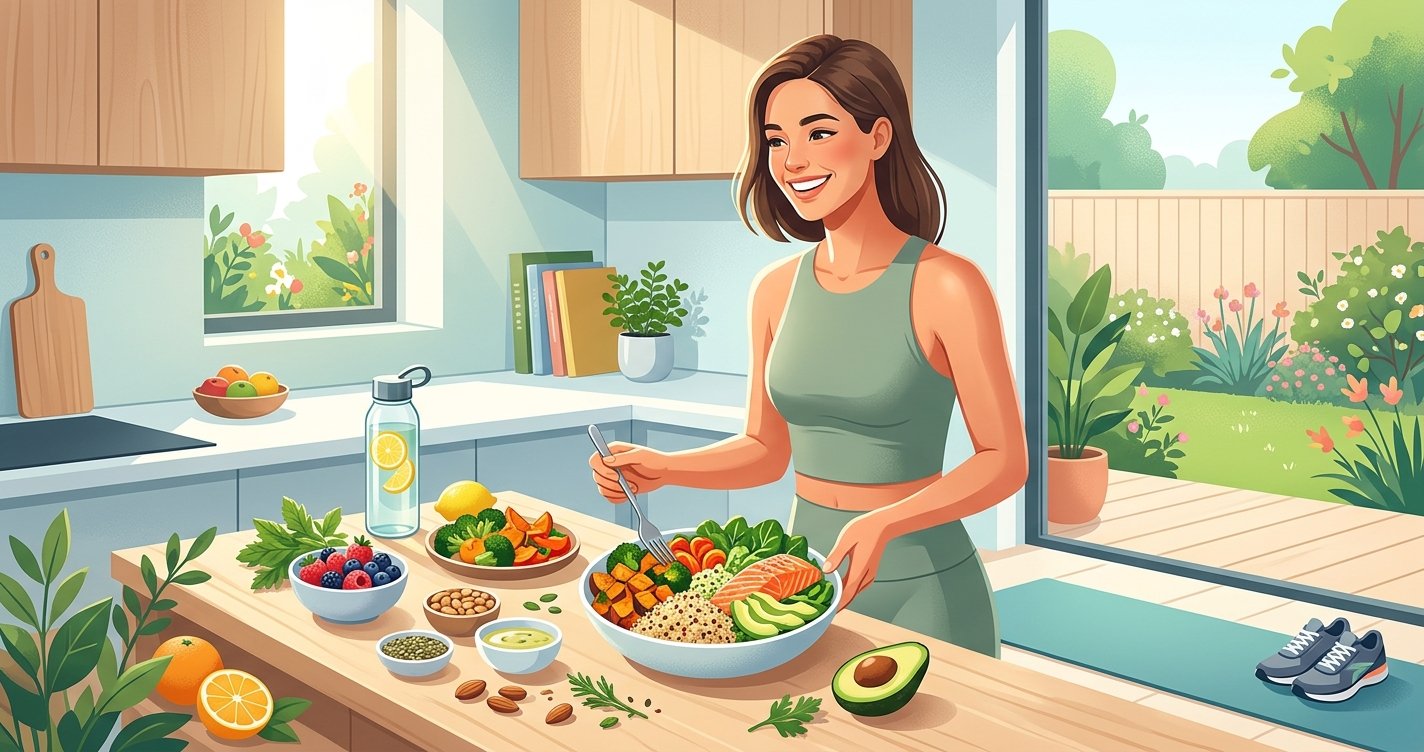
In a world obsessed with quick fixes and drastic transformations, it's easy to get caught in the cycle of crash diets and fleeting results. But what if there was a better way? A way to not just lose fat, but to keep it off, feel amazing, and build habits that last a lifetime? Welcome to the world of sustainable fat loss through smart, evidence-based nutrition. This isn't about deprivation; it's about empowerment, understanding your body, and making choices that truly serve your long-term health and wellness goals.
Forget the restrictive meal plans and the guilt-inducing food rules. Our journey together will focus on practical, actionable strategies rooted in scientific understanding, designed to help you achieve lasting fat loss without sacrificing your love for food or your social life. Ready to ditch the diet mentality and embrace a sustainable path? this excellent wellness product
The Fundamental Principle: Calorie Deficit (Without Deprivation)
At its core, fat loss boils down to one undeniable scientific fact: you must consume fewer calories than your body burns. This is known as a calorie deficit. While it sounds simple, the art lies in achieving this deficit without feeling deprived, hungry, or compromising your nutritional intake. This is where sustainable strategies truly shine.
How to Calculate Your Calorie Needs (Roughly)
Understanding your estimated daily calorie expenditure is the first step. Online calculators can provide a baseline (search for 'TDEE calculator'), considering factors like age, sex, weight, height, and activity level. Once you have this number, aim to create a moderate deficit of 300-500 calories per day. This gradual approach promotes steady, sustainable fat loss (typically 1-2 pounds per week) while preserving muscle mass and energy levels.
The Art of Mindful Eating and Portion Control
You don't need to meticulously count every calorie for the rest of your life. Instead, cultivate mindful eating practices. Pay attention to your body's hunger and fullness cues. Eat slowly, savoring each bite. This helps you recognize when you're truly satisfied, often before overeating occurs. Learning appropriate portion sizes for different food groups is also incredibly powerful. Tools like your hand (a palm for protein, a cupped hand for carbs, a thumb for fats) can be simple, effective guides.
Macronutrients: Your Allies in Fat Loss
While total calories are king for fat loss, the composition of those calories – your macronutrients (protein, carbohydrates, and fats) – plays a crucial role in satiety, energy, and body composition.
Protein: The Satiety Superstar
Protein is your best friend for fat loss. It's the most satiating macronutrient, meaning it keeps you feeling fuller for longer, reducing the likelihood of snacking. It also has a higher thermic effect of food (TEF), meaning your body burns more calories digesting protein than carbs or fats. Aim for 0.7-1 gram of protein per pound of body weight, distributed throughout your meals. Think lean meats, poultry, fish, eggs, dairy, legumes, and tofu.
Complex Carbs & Fiber: Fuel and Fullness
Don't fear carbohydrates! The right carbs provide essential energy for your workouts and daily life. Focus on complex carbohydrates rich in fiber, such as whole grains (oats, quinoa, brown rice), fruits, and vegetables. Fiber adds bulk to your meals, promoting satiety and aiding digestion, all while contributing minimal calories. These choices help stabilize blood sugar, preventing energy crashes and subsequent cravings.
Healthy Fats: Essential for Hormones and Satisfaction
Fats are vital for hormone production, nutrient absorption, and overall health. While calorie-dense, healthy fats contribute to satiety and make meals more enjoyable. Include sources like avocados, nuts, seeds, olive oil, and fatty fish in moderation. They are crucial for a well-functioning body and can prevent feelings of deprivation.
Food Choices That Fuel Your Journey
The quality of your food choices significantly impacts your ability to sustain a calorie deficit and feel good doing it. Prioritize nutrient density over empty calories.
Prioritize Whole Foods
Build the foundation of your diet around whole, unprocessed foods. These include lean proteins, a rainbow of fruits and vegetables, whole grains, and healthy fats. They are naturally rich in vitamins, minerals, and fiber, providing maximum nutrition with fewer calories. Minimizing highly processed foods, sugary drinks, and excessive amounts of refined grains will naturally reduce your calorie intake and improve your overall health.
Hydration: The Unsung Hero
Often overlooked, adequate water intake is critical for fat loss. Sometimes, thirst is mistaken for hunger, leading to unnecessary snacking. Drinking plenty of water also aids metabolism, helps with nutrient transport, and keeps your energy levels up. Aim for at least 8 glasses a day, and consider having a glass before meals.
Building Sustainable Habits, Not Just Dieting
Sustainable fat loss isn't just about what you eat; it's about the habits you cultivate around food.
Meal Planning & Preparation: Your Secret Weapon
One of the most powerful tools for sustainable fat loss is meal planning and preparation. Dedicate some time each week to plan your meals and snacks. Cook in batches. Having healthy options readily available reduces the likelihood of impulse eating or resorting to less nutritious convenience foods when hunger strikes. This proactive approach puts you in control.
Listening to Your Body: Hunger and Fullness Cues
Reconnecting with your body's natural signals is key. Before eating, ask yourself: Am I truly hungry? After eating, assess your fullness. Stop when you're satisfied, not stuffed. This intuitive approach fosters a healthier relationship with food and prevents overeating without strict rules.
Dealing with Cravings and Social Eating
Cravings are normal! Instead of fighting them, understand them. Are you truly hungry, or is it boredom, stress, or habit? If you choose to indulge, do so mindfully and in moderation. For social events, plan ahead. Eat a healthy snack before you go, choose wisely, and enjoy the company more than the food. Remember, it's about progress, not perfection.
The Role of Lifestyle: Beyond the Plate
While nutrition is paramount, sustainable fat loss is part of a larger wellness ecosystem. Don't underestimate the impact of:
- Adequate Sleep: Poor sleep disrupts hunger hormones (ghrelin and leptin) and increases cravings for unhealthy foods. Aim for 7-9 hours of quality sleep per night.
- Stress Management: Chronic stress can elevate cortisol, a hormone linked to increased fat storage, particularly around the abdomen. Find healthy ways to manage stress, whether it's meditation, exercise, or spending time in nature.
- Physical Activity: While this guide focuses on nutrition, incorporating regular physical activity (a mix of strength training and cardio) complements your dietary efforts by burning calories, building muscle (which boosts metabolism), and improving overall health and mood.
Conclusion: Your Journey to Lasting Change
Embarking on a journey of sustainable fat loss through smart nutrition is a powerful act of self-care. It's not about quick fixes or punishing restrictions, but about building a foundation of healthy habits, understanding your body, and making informed choices that nourish you from the inside out. Remember, consistency beats perfection every single time. Start small, celebrate your progress, and be patient with yourself.
You have the power to transform your health and achieve lasting results. By focusing on a moderate calorie deficit, prioritizing protein and fiber-rich whole foods, staying hydrated, and cultivating mindful eating habits, you're not just losing fat – you're building a healthier, happier, and more sustainable lifestyle. Your journey to lasting change starts now!