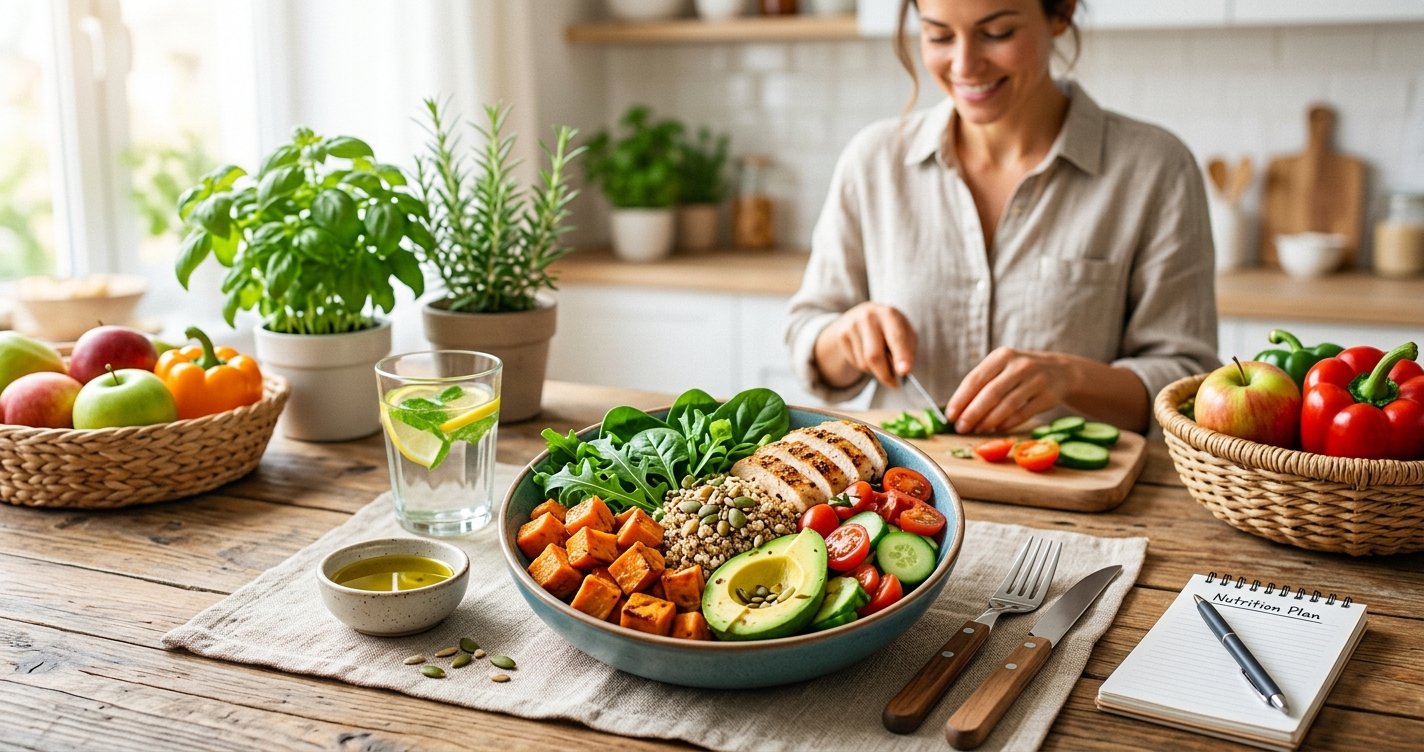
The Cycle of Crash Diets: Why Sustainability is Your True Path to Lasting Fat Loss
Ah, the allure of the quick fix! We've all been there, mesmerized by the promise of shedding pounds in record time. From juice cleanses to restrictive diets that ban entire food groups, the internet is awash with strategies guaranteeing rapid fat loss. While some of these approaches might deliver initial results, the unfortunate truth is that they often lead to a frustrating cycle of rebound weight gain, disappointment, and a damaged relationship with food. Why? Because they're rarely, if ever, sustainable.
True, lasting fat loss isn't about deprivation; it's about education, consistency, and building habits you can maintain for life. It’s about nourishing your body, not punishing it. In this guide, we'll dive deep into evidence-based nutrition strategies that not only help you achieve your fat loss goals but, more importantly, empower you to keep the fat off for good. Forget the fads; let’s build a foundation for sustainable success! this excellent wellness product
Understanding the Foundation: The Caloric Deficit Explained
Before we dive into specific food choices, it’s crucial to understand the non-negotiable principle behind fat loss: the caloric deficit. Simply put, to lose fat, your body needs to burn more calories than it consumes. Think of it like a bank account: if you spend more than you deposit, your balance goes down. Your body stores excess energy as fat; to tap into those stores, you need to create an energy shortage.
While a caloric deficit is necessary, it's not the whole story. The quality of those calories, how they affect your hormones, satiety, and muscle mass, plays a massive role in whether your fat loss is sustainable and healthy. We're not just aiming to lose 'weight' (which can include muscle and water); we're targeting 'fat loss' specifically, while preserving precious muscle.
Prioritizing Protein: Your Fat Loss Ally
If there's one macronutrient you absolutely shouldn't skimp on when trying to lose fat, it's protein. Protein is a powerhouse for fat loss for several compelling reasons:
- Satiety: Protein is incredibly filling. Including adequate protein in your meals helps you feel fuller for longer, reducing cravings and the likelihood of overeating. Studies consistently show that higher protein diets lead to greater satiety and reduced overall calorie intake.
- Muscle Preservation: When you're in a caloric deficit, your body might try to break down muscle tissue for energy. Protein intake helps signal your body to preserve muscle, which is vital for maintaining a healthy metabolism. More muscle means more calories burned at rest!
- Thermic Effect of Food (TEF): Protein has a higher TEF than carbohydrates or fats. This means your body expends more energy (calories) just to digest and metabolize protein. It’s a small boost, but every bit helps!
Practical Tips: Aim for 1.6-2.2 grams of protein per kilogram of body weight daily. Include a lean protein source in every meal: chicken breast, turkey, fish, lean beef, eggs, Greek yogurt, cottage cheese, lentils, beans, tofu, or a quality protein supplement.
The Power of Fiber: Veggies, Fruits, and Whole Grains
Fiber isn't just good for digestion; it's a secret weapon for sustainable fat loss. Found abundantly in vegetables, fruits, and whole grains, fiber contributes significantly to your satiety and overall health.
- Fullness Factor: Fiber adds bulk to your meals without adding many calories. It expands in your stomach, helping you feel satisfied and reducing the urge to snack unnecessarily.
- Blood Sugar Regulation: Soluble fiber, in particular, helps slow down the absorption of sugar, preventing sharp spikes and crashes in blood glucose levels. This can help manage hunger and reduce fat storage, especially around the midsection.
- Gut Health: A healthy gut microbiome is increasingly linked to overall metabolic health and even fat loss. Fiber acts as prebiotics, feeding the beneficial bacteria in your gut.
Practical Tips: Load up on non-starchy vegetables at every meal (think leafy greens, broccoli, bell peppers). Incorporate berries, apples, and pears (with skin!) for fruit. Choose whole grains like oats, quinoa, brown rice, and whole-wheat bread over their refined counterparts.
Smart Fats: Don't Fear the Good Guys
For decades, fat was demonized, leading to a surge in low-fat, high-sugar processed foods that ironically contributed to the obesity epidemic. The truth is, healthy fats are essential for your body's proper functioning and play a vital role in fat loss.
- Hormone Production: Fats are crucial for the production of hormones, including those involved in satiety and metabolism.
- Nutrient Absorption: Many vitamins (A, D, E, K) are fat-soluble, meaning your body needs fat to absorb them properly.
- Satiety: Like protein, fats contribute to feelings of fullness, helping to curb hunger between meals.
Focus on monounsaturated and polyunsaturated fats, and limit saturated and trans fats. Remember, while healthy, fats are calorie-dense, so portion control is key.
Practical Tips: Incorporate sources like avocados, nuts (almonds, walnuts), seeds (chia, flax, hemp), olive oil, and fatty fish (salmon, mackerel). A small handful of nuts or a tablespoon of olive oil can go a long way.
Carbohydrates: Fueling Performance and Recovery
Carbohydrates often get a bad rap in the fat loss world, but they are your body's preferred energy source, especially for brain function and physical activity. The key isn't to eliminate them, but to choose the right kind and portion them appropriately.
- Complex vs. Simple: Opt for complex carbohydrates (whole grains, starchy vegetables, legumes) which are digested slowly, providing sustained energy and preventing blood sugar spikes. Limit simple, refined carbohydrates (sugary drinks, white bread, pastries) which offer little nutritional value and can lead to energy crashes and increased fat storage.
- Energy for Exercise: If you're active, carbohydrates fuel your workouts, allowing you to train harder and recover better, which indirectly supports fat loss by building and maintaining muscle.
Practical Tips: Enjoy sweet potatoes, brown rice, quinoa, oats, whole-grain pasta, and various fruits. Adjust your carbohydrate intake based on your activity level – more active days might warrant a slightly higher intake.
Beyond Macros: The Art of Mindful Eating and Lifestyle Habits
While macronutrients are crucial, sustainable fat loss extends beyond just what you eat; it's also about how you eat and how you live your life.
Mindful Eating: Reconnecting with Your Body
In our fast-paced world, eating often becomes a secondary activity done in front of a screen. Mindful eating involves paying attention to your food – its taste, texture, and smell – and listening to your body's hunger and fullness cues. Slow down, savor each bite, and stop when you feel satisfied, not stuffed. This practice can prevent overeating and enhance your enjoyment of food.
Hydration: The Unsung Hero
Often overlooked, adequate water intake is vital for metabolism, nutrient transport, and can even help manage hunger. Sometimes, what we perceive as hunger is actually thirst. Aim for plenty of water throughout the day.
Sleep and Stress Management: Essential for Hormonal Balance
Chronic sleep deprivation and high stress levels can wreak havoc on your hormones, particularly cortisol and ghrelin (the hunger hormone), leading to increased cravings and fat storage, especially around the belly. Prioritize 7-9 hours of quality sleep and find healthy ways to manage stress, like meditation, yoga, or spending time in nature.
Building Your Sustainable Plate: Practical Steps for Long-Term Success
Now that you understand the principles, here’s how to put it into action:
- Meal Planning: Dedicate some time each week to plan your meals. This reduces decision fatigue, prevents impulse unhealthy choices, and ensures you have nourishing options readily available.
- Portion Awareness: You don't necessarily need to meticulously count every calorie, but understanding appropriate portion sizes is key. Use your hand as a guide: a palm-sized portion of protein, a cupped hand of carbs, a thumb-sized portion of fat, and plenty of vegetables.
- Flexibility and Balance (The 80/20 Rule): Striving for perfection often leads to failure. Aim to eat nutrient-dense, whole foods 80% of the time, allowing yourself flexibility for occasional treats or social meals the other 20%. This approach makes your plan realistic and enjoyable.
- Consistency Over Perfection: Small, consistent efforts yield far better long-term results than sporadic, extreme measures. Don't let one 'off' meal derail your entire week. Get back on track at the next meal.
Your Journey to Lasting Fat Loss Starts Now
Embarking on a sustainable fat loss journey means ditching the restrictive mindset and embracing a lifestyle of nourishing choices. It’s about understanding your body, fueling it with nutrient-dense foods, and building habits that support both your physical and mental well-being. Remember, this isn't a race; it's a marathon. Be patient with yourself, celebrate small victories, and focus on progress, not perfection. By prioritizing protein, fiber, healthy fats, smart carbs, and mindful living, you're not just losing fat; you're building a healthier, happier you for life. Your journey to lasting fat loss starts with these sustainable, evidence-based nutrition strategies – take the first step today!