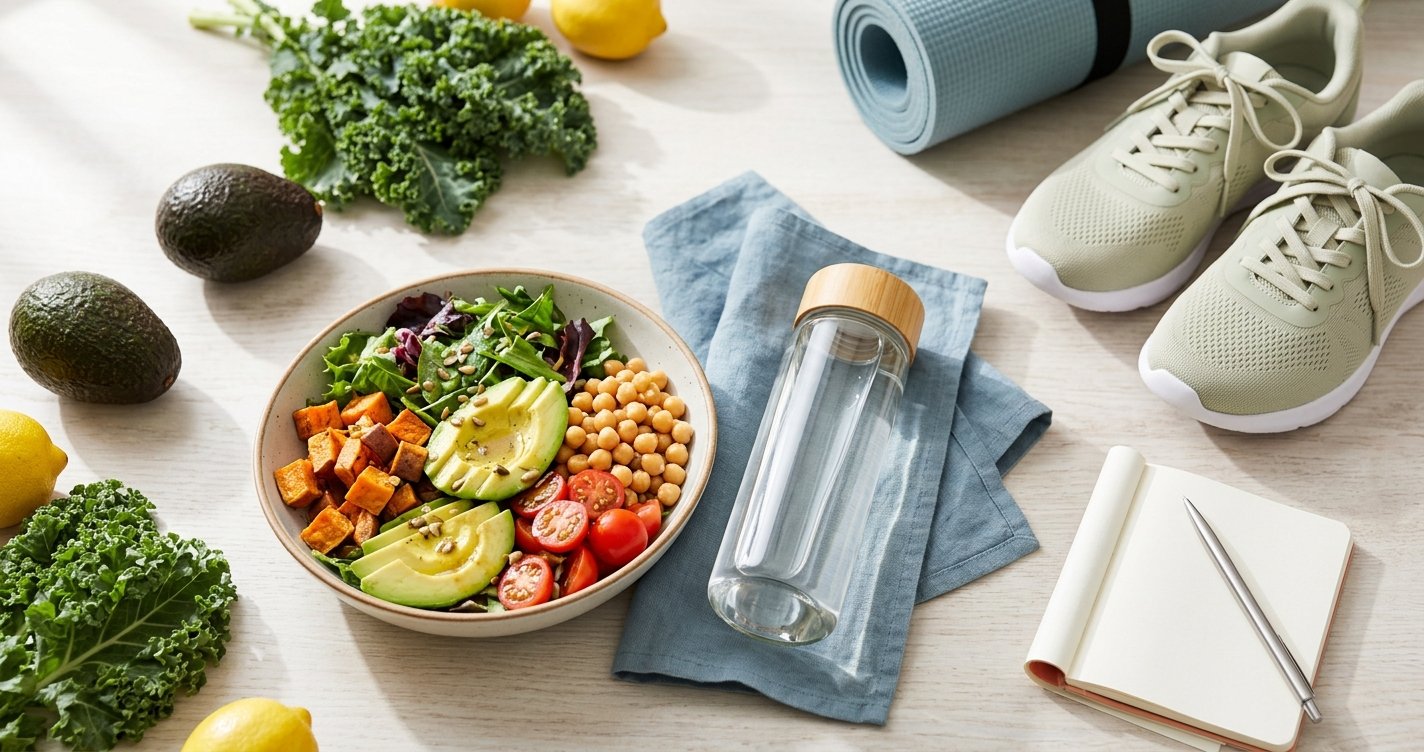
Tired of the endless cycle of restrictive diets, rapid weight loss, and inevitable rebound? You're not alone. Many people embark on a fat loss journey hoping for quick fixes, only to find themselves frustrated and demotivated when the results don't last. The truth is, sustainable fat loss isn't about deprivation or extreme measures; it's about cultivating a balanced lifestyle that nourishes your body, boosts your metabolism, and supports your overall well-being for the long haul.
This comprehensive guide will ditch the fads and equip you with an evidence-based blueprint for achieving and maintaining your ideal body composition. We'll explore practical, friendly, and encouraging strategies that empower you to make lasting changes, transforming not just your physique, but your entire relationship with food and fitness. this excellent wellness product
Why "Sustainable" Fat Loss Matters More Than Ever
The diet industry often promotes rapid fat loss through severe calorie restriction or eliminating entire food groups. While these approaches might yield initial results, they often come at a cost. Crash diets can lead to muscle loss, slow down your metabolism, disrupt hormone balance, and are notoriously difficult to stick to. The dreaded "yo-yo effect" — losing weight only to regain it (and sometimes more) – is a common outcome, leaving individuals feeling defeated and less healthy than before.
Sustainable fat loss, on the other hand, focuses on gradual, consistent progress through habits you can maintain indefinitely. It prioritizes preserving muscle mass, optimizing metabolic function, and fostering a healthy relationship with food. This holistic approach doesn't just help you shed unwanted fat; it improves your energy levels, mood, sleep quality, and reduces your risk of chronic diseases, leading to a truly healthier, happier you.
The Cornerstone: Mastering Your Nutrition for Fat Loss
When it comes to fat loss, nutrition is undeniably the most critical component. It's not about eating less; it's about eating smarter.
Calorie Deficit: The Non-Negotiable Foundation
At its core, fat loss boils down to one simple principle: you must consume fewer calories than your body burns. This is known as creating a calorie deficit. While it sounds straightforward, the key is to achieve this deficit without feeling deprived or overly restricted. A moderate deficit (typically 300-500 calories below your maintenance level) is ideal for sustainable fat loss, allowing your body to tap into fat stores for energy while preserving muscle mass.
You can estimate your daily calorie needs using online calculators (search for "TDEE calculator"), but remember these are just estimates. The best way to find your sweet spot is to track your intake for a week or two and observe changes in your weight. Adjust gradually as needed.
Prioritize Protein: Your Satiety & Muscle Guardian
Protein is a powerhouse nutrient for fat loss. Here's why:
- Satiety: Protein is incredibly filling, helping you feel fuller for longer and reducing cravings.
- Muscle Preservation: Adequate protein intake is crucial for preserving lean muscle mass during a calorie deficit. Muscle is metabolically active, meaning it burns more calories at rest than fat does.
- Thermic Effect: Protein has a higher thermic effect of food (TEF) than carbs or fats, meaning your body burns more calories digesting and metabolizing it.
Aim for around 0.7-1 gram of protein per pound of your target body weight daily, distributed across your meals. Excellent sources include lean meats, poultry, fish, eggs, dairy, legumes, and protein supplements.
Embrace Whole Foods: Fueling Your Body Wisely
While calories matter, the quality of those calories is equally important. Prioritize nutrient-dense, minimally processed whole foods over refined and sugary options. These foods provide essential vitamins, minerals, and fiber, which are vital for overall health and fat loss.
- Fruits and Vegetables: Packed with fiber and micronutrients, they're low in calories and high in volume, helping you feel full.
- Whole Grains: Oats, brown rice, quinoa, and whole-wheat bread provide sustained energy and fiber.
- Healthy Fats: Avocados, nuts, seeds, and olive oil are crucial for hormone production, nutrient absorption, and satiety (in moderation).
Hydration & Mindful Eating: Simple Yet Powerful Habits
Don't underestimate the power of these two simple habits:
- Drink Plenty of Water: Water is essential for every bodily function. Sometimes, thirst can be mistaken for hunger. Staying well-hydrated can help manage appetite and boost metabolism. Aim for 8-10 glasses daily.
- Practice Mindful Eating: Slow down, savor your food, and pay attention to your body's hunger and fullness cues. Eating mindfully can prevent overeating and help you truly enjoy your meals. Avoid distractions like TV or your phone while eating.
Beyond the Plate: Lifestyle Factors for Fat Loss
While nutrition lays the groundwork, your lifestyle choices play a monumental role in accelerating and sustaining your fat loss efforts.
Strength Training: Your Metabolism's Best Friend
If you're not lifting weights, you're missing out on a huge advantage for fat loss. Strength training doesn't just build muscle; it fundamentally changes your body composition and metabolic rate:
- Boosts Metabolism: Muscle tissue burns more calories at rest than fat tissue. The more muscle you have, the higher your resting metabolic rate (RMR) will be, meaning you burn more calories even when you're not exercising.
- Shapes Your Body: Resistance training helps sculpt your physique, giving you a toned and strong appearance.
- Improves Insulin Sensitivity: Regular strength training can improve your body's ability to use insulin effectively, which is beneficial for fat storage and overall health.
Aim for 2-4 strength training sessions per week, focusing on compound exercises (squats, deadlifts, presses, rows) that work multiple muscle groups.
Cardio: Supporting Heart Health and Calorie Burn
Cardiovascular exercise, while not the sole driver of fat loss, is an excellent complement to strength training and a healthy diet. It burns calories, improves heart health, and enhances endurance. You can choose from various forms:
- Low-Intensity Steady State (LISS): Walking, jogging, cycling at a moderate pace for longer durations. Great for recovery and active calorie burn.
- High-Intensity Interval Training (HIIT): Short bursts of intense exercise followed by brief recovery periods. Highly effective for burning calories and improving cardiovascular fitness in less time.
Integrate 2-3 cardio sessions per week, finding activities you genuinely enjoy.
The Unsung Hero: Quality Sleep for Hormonal Balance
Often overlooked, sleep is a critical pillar of sustainable fat loss. Insufficient sleep can wreak havoc on your hormones, making fat loss significantly harder:
- Ghrelin and Leptin: Sleep deprivation increases ghrelin (the hunger hormone) and decreases leptin (the satiety hormone), leading to increased appetite and cravings for unhealthy foods.
- Cortisol: Lack of sleep elevates cortisol, the stress hormone, which can promote fat storage, particularly around the abdomen.
- Insulin Sensitivity: Poor sleep can impair insulin sensitivity, making it harder for your body to process glucose and more likely to store it as fat.
Aim for 7-9 hours of quality sleep per night. Establish a consistent sleep schedule, create a relaxing bedtime routine, and optimize your sleep environment.
Stress Management: Taming Cortisol's Impact
Chronic stress, like sleep deprivation, can elevate cortisol levels, making fat loss a challenge. When stressed, your body perceives a threat, leading to a "fight or flight" response that can encourage fat storage, especially visceral fat (the dangerous fat around your organs). Finding healthy ways to manage stress is crucial:
- Mindfulness & Meditation: Even 10-15 minutes a day can make a difference.
- Hobbies & Relaxation: Engage in activities you enjoy – reading, listening to music, spending time in nature.
- Social Connection: Lean on friends and family for support.
- Deep Breathing: Simple breathing exercises can calm your nervous system.
Building Sustainable Habits: The Journey, Not the Destination
Sustainable fat loss isn't a race; it's a marathon of consistent, conscious choices. Here are some final tips to help you stay on track:
- Consistency Over Perfection: Don't let a slip-up derail your entire journey. One unhealthy meal or missed workout won't undo your progress. Get back on track with your next meal or session.
- Set Realistic Goals: Aim for a gradual fat loss of 1-2 pounds per week. This pace is more sustainable and helps preserve muscle.
- Track Progress Beyond the Scale: While the scale is one metric, also pay attention to how your clothes fit, your energy levels, strength gains, and body measurements.
- Seek Support: Share your goals with a trusted friend, family member, or consider working with a coach. Accountability can be a powerful motivator.
- Celebrate Small Wins: Acknowledge and celebrate non-scale victories. Did you choose a healthy snack? Complete a challenging workout? These small successes build momentum.
Embarking on a sustainable fat loss journey is an investment in your long-term health and happiness. By focusing on balanced nutrition, incorporating effective exercise, prioritizing sleep, and managing stress, you're not just losing fat – you're building a stronger, healthier, and more vibrant you. Be patient with yourself, embrace the process, and enjoy the incredible benefits of a truly sustainable lifestyle.