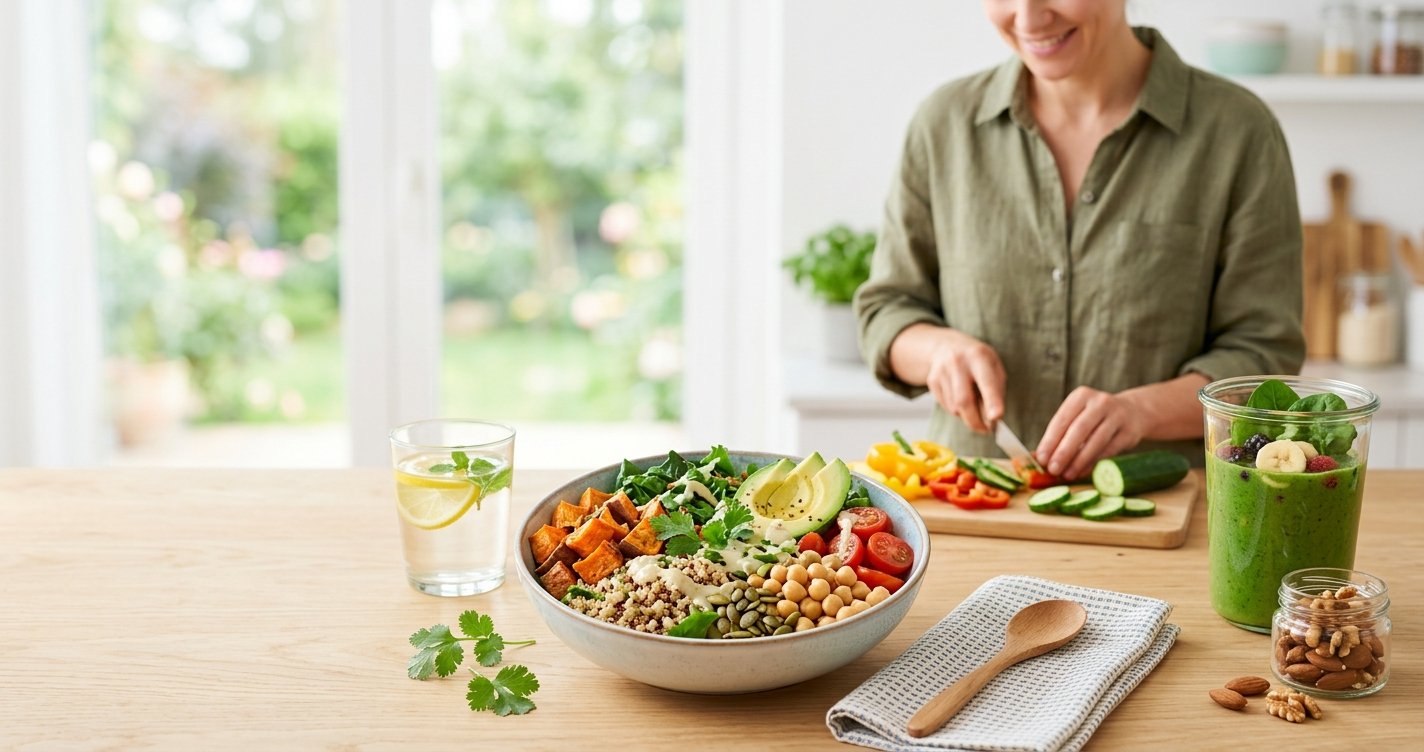
Beyond the Diet: Sustainable Nutrition Strategies for Lasting Fat Loss
Are you tired of the endless cycle of restrictive diets, quick fixes, and the inevitable rebound? Many of us have been there – chasing the latest trend, only to find ourselves back at square one, feeling frustrated and defeated. The truth is, sustainable fat loss isn't about deprivation; it's about cultivating healthy, lasting habits that nourish your body and support your well-being for the long haul. This isn't just about shedding pounds; it's about building a healthier, happier you.
In this guide, we'll ditch the fads and focus on evidence-based, friendly, and encouraging strategies that empower you to achieve and maintain your fat loss goals. We'll explore practical nutrition principles that feel good, fit into your life, and deliver results that actually stick. Let's embark on a journey that prioritizes health, consistency, and self-compassion over fleeting perfection. this excellent wellness product
Why “Diets” Often Fail (And What to Do Instead)
The diet industry thrives on quick solutions, promising rapid weight loss through extreme calorie restriction, elimination of entire food groups, or reliance on specific products. While these approaches might yield initial results, they often lead to metabolic slowdown, nutrient deficiencies, cravings, and a detrimental relationship with food. The restrictive nature often makes them unsustainable, leading to a feeling of failure when you inevitably can't maintain them. This cycle is not only disheartening but can also be detrimental to your physical and mental health.
Instead of thinking about a temporary “diet,” let's shift our mindset to a “lifestyle change.” This means focusing on gradual, consistent improvements to your eating patterns that you can comfortably maintain indefinitely. The goal isn't just to lose weight, but to improve your overall health, energy levels, and relationship with food. When you adopt a sustainable approach, you're not just aiming for a number on the scale; you're building a foundation for lifelong health and vitality.
The Core Principle: A Gentle Calorie Deficit
At its heart, fat loss boils down to one fundamental principle: consuming fewer calories than your body expends. This creates a “calorie deficit,” prompting your body to tap into its fat stores for energy. However, the key word here is “gentle.” Extreme calorie restriction can backfire, slowing your metabolism and making adherence incredibly difficult.
A gentle calorie deficit means aiming for a moderate reduction (e.g., 300-500 calories below your daily maintenance needs). This allows for steady, sustainable fat loss (typically 1-2 pounds per week) without feeling constantly hungry or deprived. You can estimate your daily calorie needs using online calculators (search for TDEE calculator), but remember these are just starting points. The real magic happens through consistent tracking and adjusting based on your body's response.
- Prioritize Volume: Fill your plate with high-volume, low-calorie foods like vegetables, fruits, and lean proteins. They help you feel full without consuming excessive calories.
- Be Mindful of Liquids: Sugary drinks, specialty coffees, and excessive alcohol can add hundreds of hidden calories without contributing to satiety. Opt for water, unsweetened tea, or black coffee.
- Portion Awareness: Even healthy foods have calories. Pay attention to portion sizes, especially for calorie-dense items like nuts, seeds, oils, and dressings.
- Cook at Home: Preparing your own meals gives you control over ingredients and portion sizes, making it easier to manage your calorie intake.
Protein Power: Your Ally in Fat Loss
If there's one macronutrient that deserves special attention for fat loss, it's protein. Protein is a powerhouse for several reasons:
- Satiety: Protein is incredibly filling. Including adequate protein in your meals helps you feel fuller for longer, reducing the likelihood of overeating or snacking on less nutritious options.
- Muscle Preservation: When you're in a calorie deficit, your body can sometimes break down muscle tissue for energy. A higher protein intake helps preserve precious muscle mass, which is crucial for maintaining a healthy metabolism.
- Thermic Effect of Food (TEF): Your body expends more energy to digest and metabolize protein compared to carbohydrates or fats. This means you burn a few extra calories just by eating protein!
Aim for roughly 0.7 to 1 gram of protein per pound of your target body weight per day, distributed across your meals. For example, if your target weight is 150 lbs, aim for 105-150 grams of protein daily.
- Excellent Lean Protein Sources: Chicken breast, turkey, lean beef, fish (salmon, cod, tuna), eggs, Greek yogurt, cottage cheese, lentils, beans, tofu, edamame, and protein powder.
Try to include a lean protein source in every meal and snack. A handful of almonds with an apple, Greek yogurt with berries, or grilled chicken with a large salad are all great ways to boost your protein intake throughout the day.
Embrace Whole Foods: Fueling Your Body Right
While a calorie deficit is key, the quality of those calories matters immensely. Focusing on whole, unprocessed foods is a game-changer for sustainable fat loss and overall health. Whole foods – like fruits, vegetables, whole grains, lean proteins, and healthy fats – are packed with essential vitamins, minerals, fiber, and antioxidants.
In contrast, ultra-processed foods (packaged snacks, sugary drinks, fast food) are often high in refined sugars, unhealthy fats, and sodium, and lack beneficial nutrients. They tend to be less satiating and can contribute to cravings and overeating.
- Fruits and Vegetables: Load up on these! They are low in calories, high in fiber, and rich in nutrients, helping you feel full and satisfied.
- Whole Grains: Opt for oats, quinoa, brown rice, and whole-wheat bread over refined grains. Their fiber content helps with digestion and satiety.
- Healthy Fats: Don't fear healthy fats from avocados, nuts, seeds, and olive oil. They are crucial for hormone function and nutrient absorption, and contribute to satiety (in moderation).
Remember the 80/20 rule: aim for whole, nutritious foods 80% of the time, allowing for some flexibility and treats 20% of the time. This approach fosters a healthy relationship with food and makes your nutrition plan much more sustainable.
Hydration and Mindful Eating: Often Overlooked Superpowers
Drink Up! The Power of Water
Water is often underestimated in its role in fat loss and overall health. Staying adequately hydrated supports metabolic processes, helps transport nutrients, and can even aid in satiety. Sometimes, what we perceive as hunger is actually thirst. Drinking a glass of water before meals can help you feel fuller and potentially eat less.
Aim for at least 8 glasses (about 2 liters) of water per day, and more if you're active or in a hot climate. Keep a water bottle handy, set reminders, or infuse your water with fruits like lemon or cucumber to make it more appealing.
Mindful Eating: Reconnecting with Your Body
In our fast-paced world, many of us eat distractedly – in front of screens, on the go, or while multitasking. This can lead to overeating because we're not truly paying attention to our body's hunger and fullness cues. Mindful eating is about bringing awareness to your eating experience.
- Eat Slowly: It takes about 20 minutes for your brain to register that your stomach is full. Slow down, chew thoroughly, and savor each bite.
- Eliminate Distractions: Put away your phone, turn off the TV, and focus solely on your meal.
- Listen to Your Body: Eat when you're truly hungry, not just bored or stressed. Stop when you're comfortably full, not stuffed.
- Engage Your Senses: Notice the colors, textures, aromas, and tastes of your food. This enhances enjoyment and satisfaction.
Practicing mindful eating helps you develop a healthier relationship with food, reduce emotional eating, and naturally regulate your intake without strict calorie counting.
Consistency, Patience, and Self-Compassion: The Unsung Heroes
Sustainable fat loss isn't a sprint; it's a marathon. It demands consistency, unwavering patience, and a healthy dose of self-compassion. You won't see dramatic changes overnight, and that's perfectly normal. Real, lasting results come from consistent effort applied over time.
Expect plateaus – periods where your weight loss seems to stall. These are a natural part of the process as your body adapts. Don't get discouraged; instead, review your habits, ensure you're still in a gentle deficit, and stay consistent. Also, understand that setbacks happen. You might have an off-plan meal, a challenging week, or a holiday indulgence. This is part of being human!
The key is not to let a single misstep derail your entire journey. Acknowledge it, learn from it, and get right back on track with your next meal or workout. Be kind to yourself. Celebrate small victories – a new healthy recipe you love, a week of consistent hydration, or simply choosing a healthier snack. Your journey is unique, and progress isn't always linear. Embrace the process, trust in your efforts, and remember that every healthy choice moves you closer to your goals.
Your Sustainable Path Forward
Achieving lasting fat loss doesn't require extreme measures or endless deprivation. It's about empowering yourself with sustainable, evidence-based nutrition strategies that nourish your body, support your health, and fit seamlessly into your life. By focusing on a gentle calorie deficit, prioritizing protein and whole foods, staying hydrated, and practicing mindful eating, you're building habits that will serve you for years to come.
Remember that consistency, patience, and self-compassion are your most powerful allies. This is your journey to a healthier, happier you – one delicious, mindful, and sustainable choice at a time. You've got this!