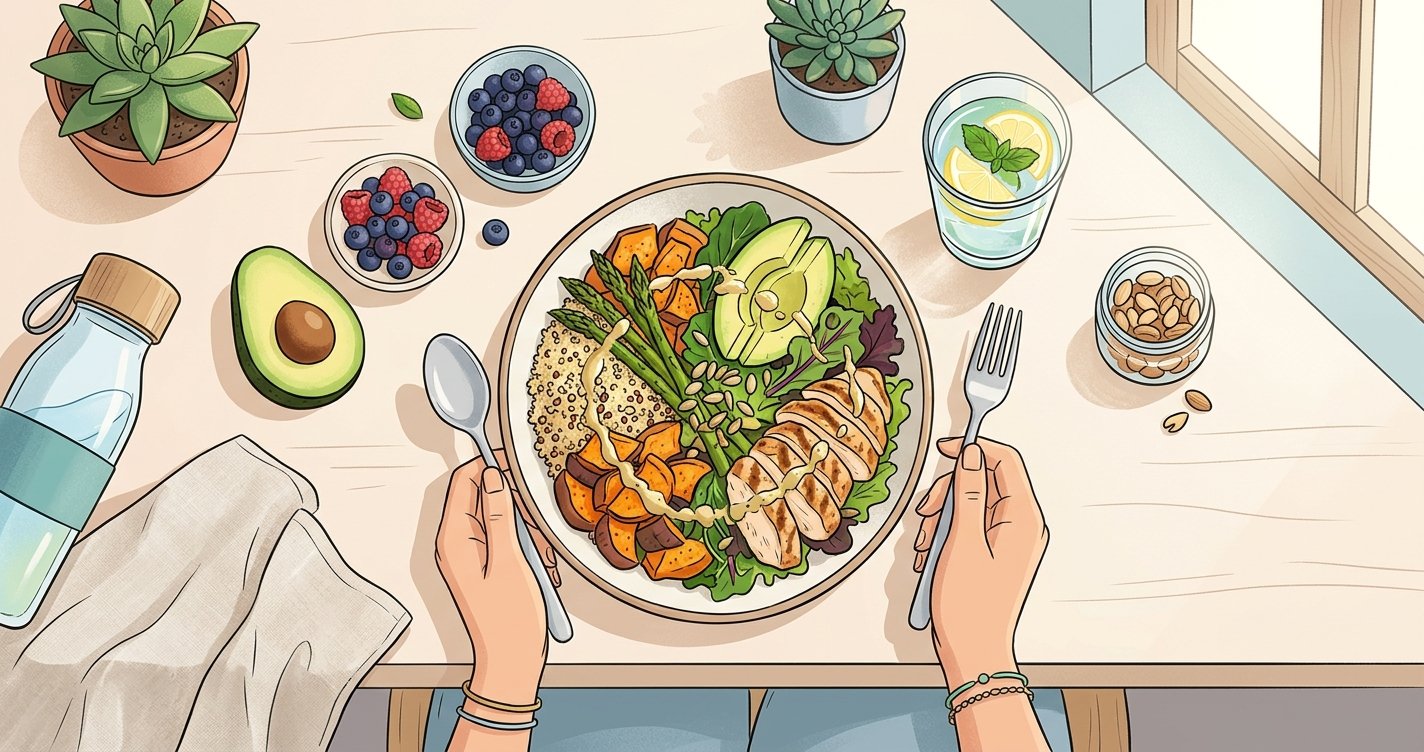
Are you tired of the endless cycle of restrictive diets, quick fixes, and disappointing results? You're not alone. The journey to fat loss can feel like a confusing maze, often leading to frustration and a sense of defeat. But what if there was a better way? A path that doesn't involve deprivation, but instead focuses on nourishing your body, understanding its signals, and building habits that last a lifetime?
Welcome to the world of sustainable fat loss through smart nutrition. This isn't about counting every single calorie or cutting out entire food groups forever. Instead, it's an evidence-based, friendly, and encouraging guide to transforming your relationship with food, empowering you to make choices that support your body's health and help you achieve lasting fat loss without the typical diet drama. Let's ditch the quick fixes and embrace a smarter, healthier approach that truly works. this excellent wellness product
Why "Diets" Often Fail: Breaking the Cycle
Before we dive into what works, let's understand why so many traditional "diets" fall short. Most popular diets rely on extreme calorie restriction or the elimination of entire food categories (like carbs or fats). While these might lead to rapid initial weight loss, they often trigger a cascade of negative effects:
- Metabolic Adaptation: Your body is smart. When faced with severe calorie restriction, it adapts by slowing down your metabolism to conserve energy. This makes it harder to continue losing fat and easier to regain it once you stop dieting.
- Nutrient Deficiencies: Eliminating food groups can lead to missing out on essential vitamins, minerals, and fiber, impacting your energy, mood, and overall health.
- Cravings and Binge Cycles: Deprivation often leads to intense cravings, which can result in overeating or bingeing, creating a frustrating cycle of guilt and restriction.
- Unsustainability: Extreme diets are simply not enjoyable or sustainable long-term. Life happens – social events, holidays, stress – and adherence becomes incredibly difficult, leading to feelings of failure.
Our goal isn't just to lose weight; it's to lose fat sustainably and improve overall health, which requires a more holistic, flexible, and enjoyable approach to eating.
The Foundation: Calorie Deficit (But Smarter, Not Harder)
At its core, fat loss still boils down to a fundamental principle: consuming fewer calories than your body burns – a calorie deficit. However, the key here is "smarter, not harder."
Instead of drastically cutting calories and feeling deprived, we aim for a moderate, consistent deficit that your body can handle without triggering extreme metabolic slowdown or intense hunger. This often means a deficit of 300-500 calories per day for most individuals, leading to a healthy and sustainable fat loss of 1-2 pounds per week.
How to Achieve a Smart Calorie Deficit:
- Focus on Nutrient-Dense Foods: Prioritize foods that provide a lot of nutrients for relatively few calories (e.g., vegetables, lean proteins, fruits).
- Understand Your Maintenance Calories: Use online calculators as a starting point, then adjust based on your activity level and progress.
- Listen to Your Body: Pay attention to hunger and fullness cues. Don't eat just because it's "time" or because food is in front of you.
Remember, it's not about eating less; it's about eating better and smarter to create that deficit without feeling starved.
Macronutrients Matter: Fueling Your Body for Fat Loss
While total calories are important, the quality and balance of your macronutrients (protein, carbohydrates, and fats) play a crucial role in supporting fat loss, preserving muscle, and keeping you satisfied.
Protein: Your Satiety & Muscle Ally
Protein is arguably the most important macronutrient for fat loss. It helps:
- Increase Satiety: Protein is incredibly filling, helping you feel fuller for longer and reducing overall calorie intake.
- Preserve Muscle Mass: When you're in a calorie deficit, your body can break down muscle for energy. Adequate protein intake helps protect your hard-earned muscle, which is metabolically active and helps burn more calories.
- Boost Metabolism: Protein has a higher thermic effect of food (TEF) than carbs or fats, meaning your body burns more calories digesting and metabolizing it.
Sources: Lean meats, poultry, fish, eggs, dairy (Greek yogurt, cottage cheese), legumes, tofu, tempeh, protein powder.
Healthy Fats: Essential for Hormones and Satiety
Don't fear fats! Healthy fats are essential for hormone production, nutrient absorption, and provide sustained energy. They also contribute to satiety, helping to keep hunger at bay.
- Moderation is Key: Fats are calorie-dense, so portion control is important.
- Prioritize Unsaturated Fats: Focus on monounsaturated and polyunsaturated fats.
Sources: Avocados, nuts, seeds, olive oil, fatty fish (salmon, mackerel).
Complex Carbohydrates: Energy and Fiber
Carbohydrates are your body's primary energy source. Opt for complex carbohydrates, which are rich in fiber and provide a steady release of energy, preventing blood sugar spikes and crashes.
- Fiber Power: Fiber promotes digestive health, adds bulk to meals (increasing fullness), and can help regulate blood sugar.
- Sustainable Energy: Complex carbs fuel your workouts and daily activities without leading to energy slumps.
Sources: Whole grains (oats, brown rice, quinoa, whole-wheat bread), fruits, vegetables, sweet potatoes.
Micronutrients and Whole Foods: The Unsung Heroes
Beyond macros, don't overlook the power of micronutrients (vitamins and minerals) and the benefits of whole, unprocessed foods. These are crucial for optimal bodily functions, energy levels, and overall well-being, all of which indirectly support fat loss.
- Vitamins & Minerals: Act as cofactors in countless metabolic processes, including energy production and fat metabolism. Deficiencies can hinder your progress.
- Fiber-Rich Foods: Found in fruits, vegetables, and whole grains, fiber is vital for gut health, satiety, and blood sugar control. A healthy gut microbiome is increasingly linked to healthy weight management.
- Antioxidants: Found abundantly in colorful fruits and vegetables, antioxidants protect your cells from damage and reduce inflammation, supporting overall health.
Aim to fill at least half your plate with non-starchy vegetables at most meals. Think vibrant salads, steamed greens, and roasted veggies.
Hydration, Mindful Eating, and Portion Control: Your Practical Tools
These seemingly small habits can make a huge difference in your fat loss journey.
Hydration: Don't Forget Your Water!
Water is essential for virtually every bodily function, including metabolism. Sometimes, thirst can be mistaken for hunger, leading to unnecessary snacking. Aim for at least 8 glasses (around 2 liters) of water daily, and more if you're active.
Mindful Eating: Reconnect with Your Body
Mindful eating means paying full attention to your food – its taste, texture, smell – and your body's hunger and fullness cues. It helps prevent overeating and promotes a healthier relationship with food.
- Eat Slowly: It takes about 20 minutes for your brain to register that your stomach is full.
- Eliminate Distractions: Turn off the TV, put away your phone.
- Savor Each Bite: Enjoy your food!
- Check in with Hunger/Fullness: Before eating, ask yourself, "Am I truly hungry?" During eating, "Am I satisfied, or do I need more?"
Portion Control: Awareness, Not Obsession
You don't need to weigh every gram of food, but understanding appropriate portion sizes is empowering. Use visual cues:
- Protein: A deck of cards or the palm of your hand.
- Carbohydrates: A cupped hand (for grains/starchy veggies).
- Fats: Your thumb or a tablespoon.
- Vegetables: As much as you want!
This awareness helps you make informed choices without feeling restricted.
Meal Planning and Preparation: Your Secret Weapon for Consistency
Failing to plan is planning to fail, especially when it comes to nutrition. Meal planning and preparation (often called "meal prepping") can drastically improve your consistency and make healthy eating effortless.
- Reduces Decision Fatigue: No more last-minute unhealthy choices when you're hungry and tired.
- Saves Time and Money: Batch cooking is efficient and often cheaper than eating out.
- Ensures Nutrient Balance: You can strategically plan meals to hit your protein, fiber, and micronutrient goals.
- Controls Portions: Pre-portioned meals make it easy to stick to your calorie goals.
Start small: plan your dinners for the week, or prep your lunches on Sunday. Even a little planning goes a long way.
Navigating Challenges: Cravings, Plateaus, and Social Eating
The journey won't always be smooth, and that's perfectly normal. Here's how to tackle common hurdles:
- Cravings: Instead of immediate surrender, try the "pause and plan" method. Drink a glass of water, wait 15 minutes, or distract yourself. If the craving persists, plan to enjoy a small, mindful portion of the desired food later, fitting it into your overall calorie goals. Remember the 80/20 rule: aim for healthy 80% of the time, and allow for flexibility 20% of the time.
- Plateaus: Fat loss isn't linear. If you hit a plateau (no progress for 2-3 weeks), re-evaluate. Are you truly in a deficit? Have your activity levels changed? Sometimes a small adjustment in calories (down or even a temporary slight increase to "reset" your metabolism), increasing activity, or changing your workout routine can help. Patience is key here.
- Social Eating: Don't let social events derail your progress. Plan ahead: look at menus online, offer to bring a healthy dish, eat a small, protein-rich snack before you go, and focus on enjoying the company, not just the food. Make smart swaps (e.g., sparkling water instead of soda, grilled instead of fried).
Embrace Your Sustainable Fat Loss Journey
Sustainable fat loss isn't about perfection; it's about progress, consistency, and building a healthier relationship with food that supports your body and your goals for the long haul. By focusing on nutrient-dense foods, understanding macronutrients, practicing mindful eating, and planning ahead, you're not just losing weight – you're building a foundation for lifelong health and vitality.
Start small, be patient with yourself, and celebrate every victory along the way. Your journey to a healthier, happier you begins with smart nutrition choices, one meal at a time. You've got this!