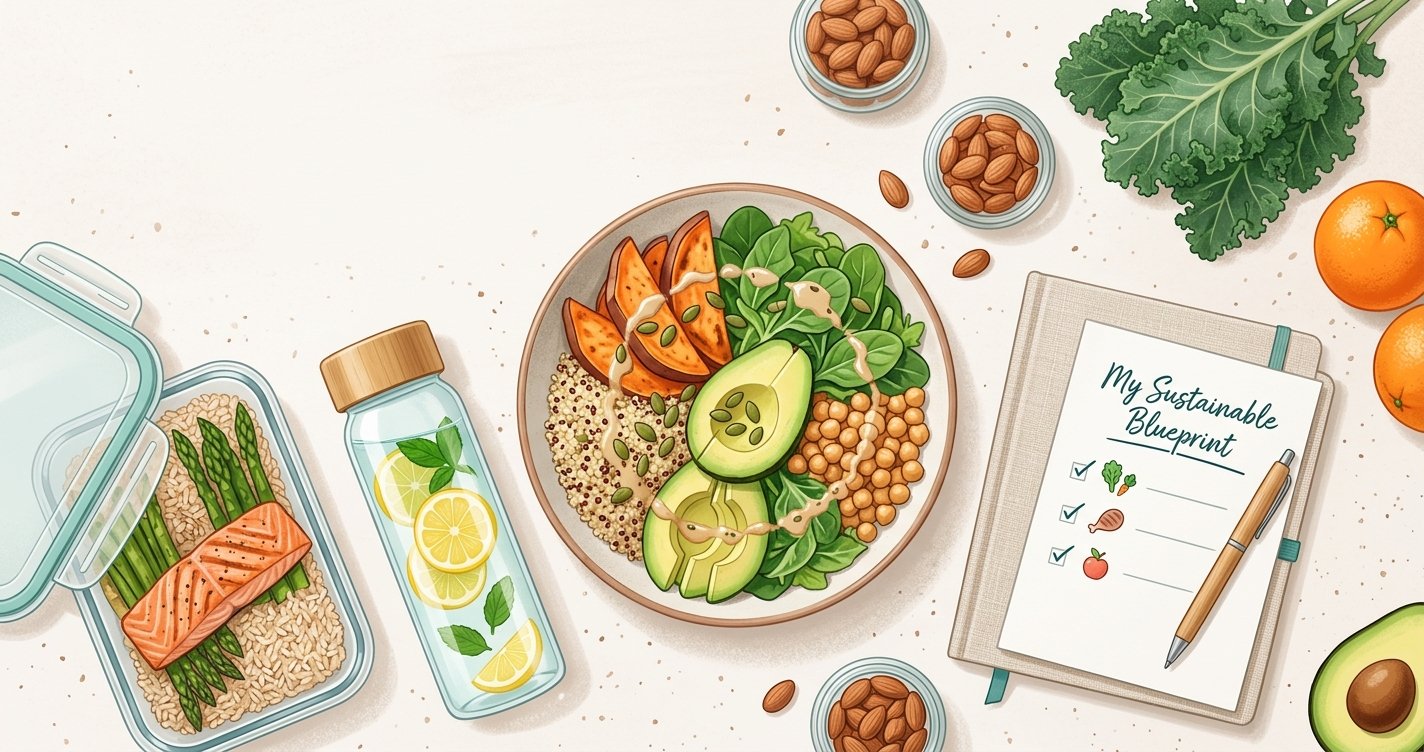
Beyond Diets: Your Sustainable Nutrition Blueprint for Lasting Fat Loss
Are you tired of the yo-yo diet cycle? Do you feel frustrated by quick fixes that promise the world but deliver only temporary results and eventual rebound? You’re not alone. In a world saturated with restrictive meal plans and detox teas, it’s easy to get lost in the noise, chasing the next big thing. But what if we told you that lasting fat loss isn't about deprivation, but about understanding and embracing a sustainable approach to nutrition? It’s about building habits that serve your body for life, not just for a season.
This isn't another diet plan. This is your friendly, evidence-based guide to unlocking sustainable fat loss through smart nutrition choices. We're going to dive deep into principles that work, strategies you can actually stick to, and empower you to take control of your health journey, one delicious, nourishing meal at a time. Let’s ditch the diet mentality and build a blueprint for success that lasts! this excellent wellness product
Why Fad Diets Fail (And What Works Instead)
The allure of rapid weight loss is powerful, and fad diets capitalize on this desire. They often involve extreme calorie restriction, cutting out entire food groups, or relying on specific 'magic' foods. While you might see initial drops on the scale, these methods are rarely sustainable. Why?
- Nutrient Deficiencies: Restrictive diets often lead to insufficient intake of essential vitamins, minerals, and macronutrients, impacting energy levels, mood, and overall health.
- Metabolic Slowdown: Extreme calorie deficits can signal your body to conserve energy, slowing your metabolism and making future fat loss harder.
- Psychological Toll: Constant hunger, cravings, and the feeling of deprivation can lead to irritability, poor sleep, and eventually, binge eating, creating a vicious cycle.
- Lack of Education: Fad diets don't teach you how to maintain your results once the 'diet' is over. They offer a temporary solution, not a lifestyle change.
What works instead? A sustainable approach centered around a moderate caloric deficit, nutrient density, and flexibility. It’s about making informed choices that fit into your life, not overhauling your entire existence overnight. The goal isn't just to lose fat, but to improve your health, energy, and relationship with food.
The Core Pillars of Sustainable Fat Loss Nutrition
1. Calorie Awareness, Not Obsession
At its heart, fat loss comes down to a simple principle: consuming fewer calories than your body burns – a caloric deficit. However, this doesn't mean meticulously counting every single calorie for the rest of your life. It means becoming aware of what you’re eating and how it impacts your energy balance.
- Understanding Your Needs: Learn about your estimated Basal Metabolic Rate (BMR) and Total Daily Energy Expenditure (TDEE). Online calculators can provide a good starting point.
- Moderate Deficit: Aim for a modest deficit of 300-500 calories per day. This allows for steady, sustainable fat loss (around 1-2 pounds per week) without triggering extreme hunger or metabolic slowdown.
- Tools for Awareness: Briefly tracking your food intake for a week or two can provide invaluable insight into your eating habits. You might be surprised where hidden calories lie! After gaining awareness, you can often transition to intuitive eating with better judgment.
2. Protein Powerhouse: Why It's Your Best Friend
If there’s one macronutrient you should prioritize for fat loss, it’s protein. Here’s why:
- Satiety: Protein is incredibly filling. Eating adequate protein helps you feel fuller for longer, reducing overall calorie intake and curbing cravings.
- Muscle Preservation: When you're in a caloric deficit, your body can break down muscle tissue for energy. Sufficient protein intake helps protect your precious muscle mass, which is crucial for maintaining a healthy metabolism.
- Thermic Effect of Food (TEF): Protein has a higher TEF than carbs or fats, meaning your body burns more calories digesting and metabolizing it.
Aim for 0.7-1 gram of protein per pound of body weight (or ideal body weight) daily. Excellent sources include lean meats, poultry, fish, eggs, dairy, legumes, and plant-based protein powders.
3. Carbohydrates: Fueling Your Body Smartly
Carbohydrates have been demonized, but they are your body’s primary energy source. The key is choosing the right kind:
- Complex Carbs (Your Allies): Found in whole grains (oats, quinoa, brown rice), fruits, and vegetables. They are rich in fiber, which aids digestion, promotes satiety, and provides a steady release of energy, preventing blood sugar spikes and crashes.
- Simple Carbs (Limit These): Found in sugary drinks, candies, white bread, and pastries. They offer quick energy but often lack nutrients and fiber, leading to energy dips and increased hunger.
Focus on nutrient-dense, fiber-rich carbohydrates that support your energy levels and overall health.
4. Healthy Fats: Don't Fear Them!
Fat is essential for hormone production, nutrient absorption (especially fat-soluble vitamins A, D, E, K), and providing sustained energy. While fats are calorie-dense, healthy fats play a crucial role in satiety and overall health:
- Monounsaturated Fats: Avocados, olive oil, nuts.
- Polyunsaturated Fats: Fatty fish (salmon, mackerel), flaxseeds, walnuts. Omega-3s are particularly important.
Incorporate healthy fats in moderation to support your body’s functions and keep you feeling satisfied.
Practical Strategies for Everyday Success
1. Meal Planning & Preparation
Failing to plan is planning to fail. A little preparation goes a long way:
- Weekly Menu: Plan your meals for the week, including snacks. This helps you make healthier choices and reduces stress.
- Grocery List: Shop with a list based on your meal plan to avoid impulse buys and ensure you have all the necessary ingredients.
- Batch Cooking: Dedicate a few hours one day a week (e.g., Sunday) to prep ingredients like chopping veggies, cooking grains, or grilling protein. This makes assembling healthy meals quick and easy during busy weekdays.
2. Mindful Eating: Savoring Every Bite
Slow down and pay attention to your food. This isn't just about what you eat, but how you eat it:
- Eat Slowly: It takes about 20 minutes for your brain to register fullness.
- Tune In: Put away distractions (phone, TV) and focus on the taste, texture, and smell of your food.
- Listen to Your Body: Eat when you're truly hungry, and stop when you're comfortably full, not stuffed.
3. Hydration: The Unsung Hero
Water is vital for countless bodily functions, including metabolism. Sometimes, thirst can be mistaken for hunger. Aim for 8-10 glasses of water daily. Keep a water bottle handy and sip throughout the day. Herbal teas and sparkling water can also contribute to your fluid intake.
4. Smart Snacking
Snacks can be part of a healthy fat loss plan, especially if they are nutrient-dense and help bridge the gap between meals without overeating. Opt for snacks rich in protein and fiber:
- Greek yogurt with berries
- Apple slices with a tablespoon of nut butter
- A handful of almonds or walnuts
- Vegetable sticks with hummus
Navigating Challenges and Staying on Track
1. Dealing with Cravings
Cravings are normal! Instead of fighting them head-on, try these strategies:
- Hydrate: Sometimes, you’re just thirsty.
- Distract: Engage in an activity you enjoy for 15-20 minutes.
- Healthy Swap: Find a healthier alternative (e.g., dark chocolate for milk chocolate, fruit for candy).
- Mindful Indulgence: If you truly want it, have a small, controlled portion and savor it without guilt.
2. Social Situations & Eating Out
Don't let social events derail your progress. Plan ahead:
- Preview Menus: Look up restaurant menus online and choose healthier options beforehand.
- Portion Control: Ask for half portions, share an entree, or ask for a to-go box immediately.
- Smart Swaps: Opt for grilled instead of fried, dressing on the side, and plenty of vegetables.
- Enjoy in Moderation: It’s okay to indulge occasionally. The key is moderation and getting back on track with your next meal.
3. The Importance of Patience & Consistency
Fat loss is a journey, not a sprint. There will be good days and challenging days. Consistency over perfection is the secret ingredient. Don't let one 'off' meal or day derail your entire week. Get back on track with your very next meal.
4. Listening to Your Body
Your body is constantly sending you signals. Pay attention to how different foods make you feel, your energy levels, and your hunger cues. This biofeedback is invaluable for fine-tuning your nutrition plan to what works best for *you*.
Beyond the Plate: Lifestyle Factors That Support Fat Loss
While nutrition is paramount, sustainable fat loss is a holistic endeavor. Other lifestyle factors play a significant role:
- Sleep: The Overlooked Fat Loss Ally: Insufficient sleep can wreak havoc on your hunger hormones (ghrelin and leptin), making you hungrier and more prone to cravings. Aim for 7-9 hours of quality sleep per night.
- Stress Management: Chronic stress elevates cortisol levels, which can promote fat storage, particularly around the abdominal area. Incorporate stress-reducing activities like meditation, yoga, spending time in nature, or hobbies.
- Movement: Complementing Your Nutrition: Regular physical activity, including both strength training and cardiovascular exercise, boosts your metabolism, builds muscle (which burns more calories at rest), and improves overall health and mood. You don't need to be a gym rat; simply moving more throughout your day makes a difference.
Your Sustainable Journey Starts Now
Embarking on a sustainable fat loss journey means letting go of the all-or-nothing mindset and embracing gradual, consistent progress. It’s about nourishing your body, understanding its needs, and building habits that are enjoyable and maintainable for the long haul. Remember, this isn't about perfection; it’s about progress, self-compassion, and building a healthier, stronger you.
You have the power to transform your relationship with food and achieve lasting results. Start small, be consistent, and celebrate every step of your journey. Your body will thank you for it!