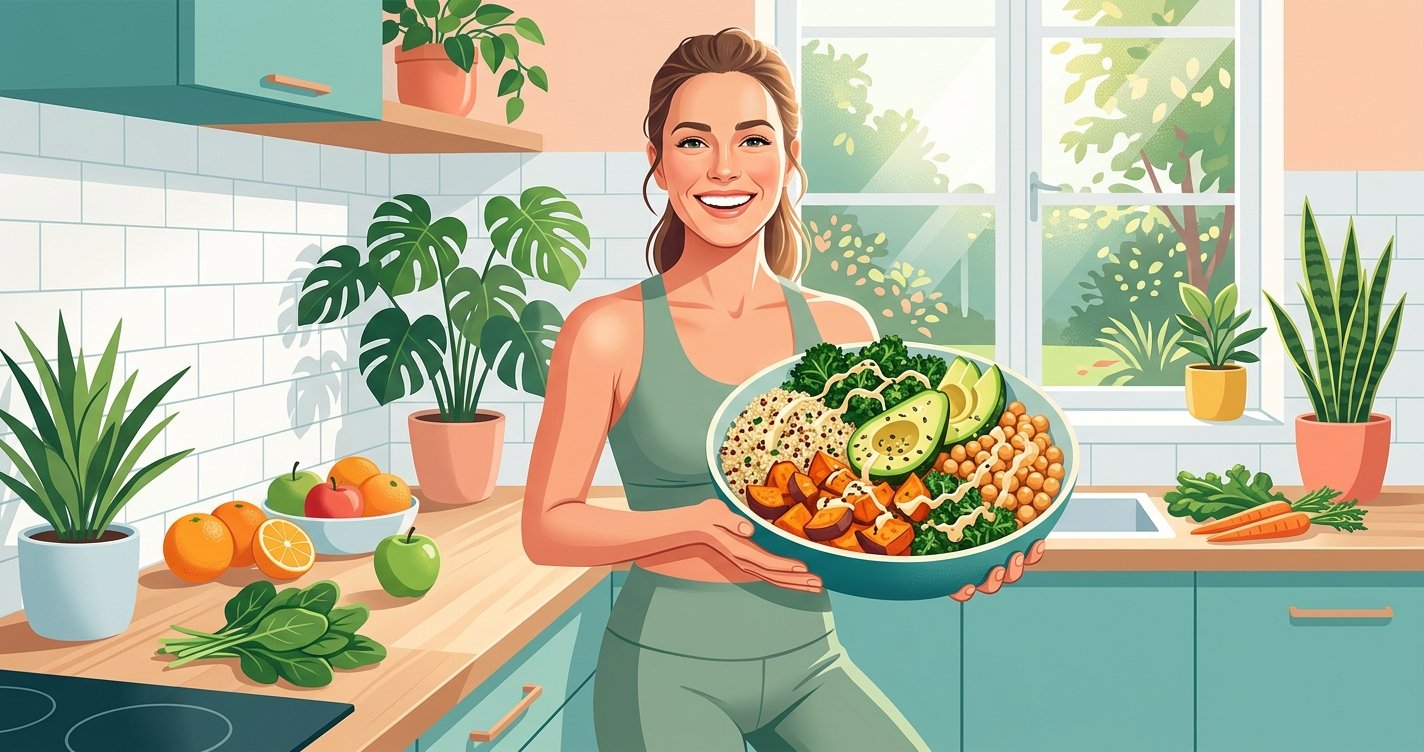
Beyond Diets: Sustainable Nutrition for Real, Lasting Fat Loss
Are you tired of the endless cycle of crash diets, restrictive eating, and the frustrating rebound effect? You’re not alone. The world of fat loss is often cluttered with quick fixes and extreme measures that promise rapid results but rarely deliver long-term success. What if we told you there’s a better way? A path to fat loss that doesn’t involve deprivation, but rather empowers you with knowledge, sustainable habits, and a healthier relationship with food?
This isn't about the next trendy diet; it's about understanding how your body works and building a nutrition strategy that you can stick with for life. We’re going to explore evidence-based principles that foster sustainable fat loss, helping you not just lose weight, but keep it off, feel amazing, and truly thrive. Let’s ditch the diet mentality and embrace a journey toward lasting health and a body you love. this excellent wellness product
Why Most Diets Fail (And What to Do Instead)
The allure of rapid fat loss is powerful, leading many to jump onto highly restrictive diets. While these might show initial drops on the scale, they often lead to nutrient deficiencies, intense cravings, hormonal imbalances, and a damaged metabolism. The body, perceiving a state of starvation, often fights back, making it incredibly difficult to maintain the weight loss once the diet ends. This isn't a failure on your part; it's a failure of the unsustainable approach.
Instead of viewing food as the enemy or a source of guilt, we need to shift our perspective. Sustainable fat loss isn't about what you can’t eat, but rather about what you can eat to nourish your body, feel satisfied, and create a gentle energy deficit. It’s about making gradual, consistent changes that become second nature, rather than temporary sacrifices. This holistic approach focuses on building a foundation of healthy habits that support your body’s natural ability to maintain a healthy weight.
The Core Principle: Gentle Calorie Deficit, Not Deprivation
At its heart, fat loss comes down to a simple equation: consuming fewer calories than your body expends. This is known as a calorie deficit. However, the key word here is gentle. A drastic deficit can trigger the same metabolic slowdown and rebound effects we just discussed. A sustainable deficit means aiming for a reduction of 300-500 calories per day, which allows for steady, manageable fat loss without feeling constantly hungry or deprived.
Understanding Your Energy Needs
To create a gentle deficit, you first need a rough idea of your daily calorie expenditure. This is often estimated using your Basal Metabolic Rate (BMR) – the calories your body burns at rest – combined with your activity level to calculate your Total Daily Energy Expenditure (TDEE). Online calculators can give you a starting point. From there, you subtract your desired deficit to find your target daily calorie intake. Remember, these are estimates, and listening to your body is paramount.
The Power of Whole Foods
Achieving a calorie deficit becomes much easier and more sustainable when you prioritize whole, unprocessed foods. Think lean proteins, fruits, vegetables, whole grains, and healthy fats. These foods are generally lower in calories, higher in nutrients, and packed with fiber, which helps you feel fuller for longer. Conversely, processed foods, often high in sugar, unhealthy fats, and refined carbs, are calorie-dense but nutrient-poor, leading to quick energy spikes followed by crashes and increased hunger.
Macronutrients for Fat Loss: Your Power Trio
While overall calorie intake is crucial, the composition of those calories – your macronutrients (protein, fats, and carbohydrates) – plays a vital role in satiety, muscle preservation, and energy levels during fat loss.
Protein: Your Satiety & Muscle Guardian
Protein is your best friend when it comes to fat loss. It’s the most satiating macronutrient, meaning it keeps you feeling full and satisfied, reducing the likelihood of overeating. Furthermore, adequate protein intake is essential for preserving lean muscle mass, which is metabolically active and helps burn more calories, even at rest. Aim for a protein source at every meal. Good sources include lean meats, poultry, fish, eggs, dairy, legumes, and tofu.
Healthy Fats: Essential & Satisfying
Don't fear fats! Healthy fats are essential for hormone production, nutrient absorption, and overall bodily functions. They also contribute to satiety and can make your meals more enjoyable. The key is moderation and choosing the right kinds. Focus on unsaturated fats found in avocados, nuts, seeds, olive oil, and fatty fish. Limit saturated and trans fats found in processed foods and some animal products.
Smart Carbs: Fueling Your Body Wisely
Carbohydrates are your body's primary energy source. The trick for fat loss is choosing smart carbs over refined ones. Opt for complex carbohydrates rich in fiber, such as whole grains (oats, brown rice, quinoa), fruits, and vegetables. These provide sustained energy, prevent blood sugar spikes, and contribute to fullness. Limit refined carbohydrates like white bread, sugary cereals, and pastries, which offer little nutritional value and can hinder fat loss efforts.
Beyond Macros: Building Sustainable Habits
Nutrition for fat loss isn’t just about what you eat, but also how you eat and how you live. Integrating mindful practices and consistent habits will make your journey much smoother and more effective.
Mindful Eating: Listen to Your Body
In our fast-paced world, we often eat distractedly. Mindful eating involves paying attention to your body’s hunger and fullness cues, savoring your food, and eating slowly. This practice helps you recognize true hunger versus emotional eating, prevents overeating, and enhances your enjoyment of meals. Before reaching for a snack, ask yourself: Am I truly hungry, or am I bored, stressed, or thirsty?
Hydration: An Underrated Fat Loss Ally
Water is often overlooked but plays a crucial role in fat loss. Staying well-hydrated can boost metabolism, aid digestion, and help you feel fuller, potentially reducing overall calorie intake. Sometimes, what you perceive as hunger is actually thirst. Aim to drink plenty of water throughout the day, especially before meals.
Meal Planning & Preparation: Your Secret Weapon
Failing to plan is planning to fail. Taking time each week to plan your meals and do some food prep can dramatically improve your consistency. Having healthy meals and snacks readily available reduces the likelihood of impulse buys, unhealthy takeout, or skipping meals altogether. This could mean batch cooking proteins, chopping vegetables, or portioning out snacks.
The Role of Consistency and Patience
Sustainable fat loss is a marathon, not a sprint. There will be weeks when the scale doesn't budge, or even fluctuates upwards. This is normal! Our bodies are complex, and many factors (water retention, hormones, muscle gain) can influence daily weight. The most important thing is consistency with your sustainable habits. Trust the process, and don't get discouraged by minor setbacks.
Focus on non-scale victories: do your clothes fit better? Do you have more energy? Are you sleeping better? Is your mood improved? These are all powerful indicators of progress that go beyond a number on a scale and reflect true health improvements.
Putting It All Together: Your Action Plan for Lasting Change
Ready to embark on your sustainable fat loss journey? Here’s a simple action plan to get you started:
- Calculate Your TDEE: Use an online calculator as a starting point, then aim for a gentle 300-500 calorie deficit.
- Prioritize Protein: Include a lean protein source with every meal to boost satiety and preserve muscle.
- Embrace Whole Foods: Fill your plate with fruits, vegetables, whole grains, and healthy fats.
- Stay Hydrated: Drink plenty of water throughout the day.
- Practice Mindful Eating: Eat slowly, savor your food, and listen to your body’s hunger cues.
- Plan Ahead: Dedicate time to meal planning and prep to ensure healthy options are always available.
- Be Patient & Consistent: Understand that sustainable fat loss takes time and dedication. Celebrate small victories!
Conclusion
You have the power to transform your relationship with food and achieve lasting fat loss without resorting to extreme diets. By focusing on sustainable nutrition strategies – understanding your energy needs, prioritizing whole foods, balancing your macronutrients, and building healthy habits – you can create a lifestyle that supports your goals and enhances your overall well-being. This isn't just about shedding pounds; it's about building a healthier, happier, and more energetic you. Start small, stay consistent, and enjoy the journey to a stronger, more vibrant self!